How to Build House Extensions Without a Permit in Melbourne
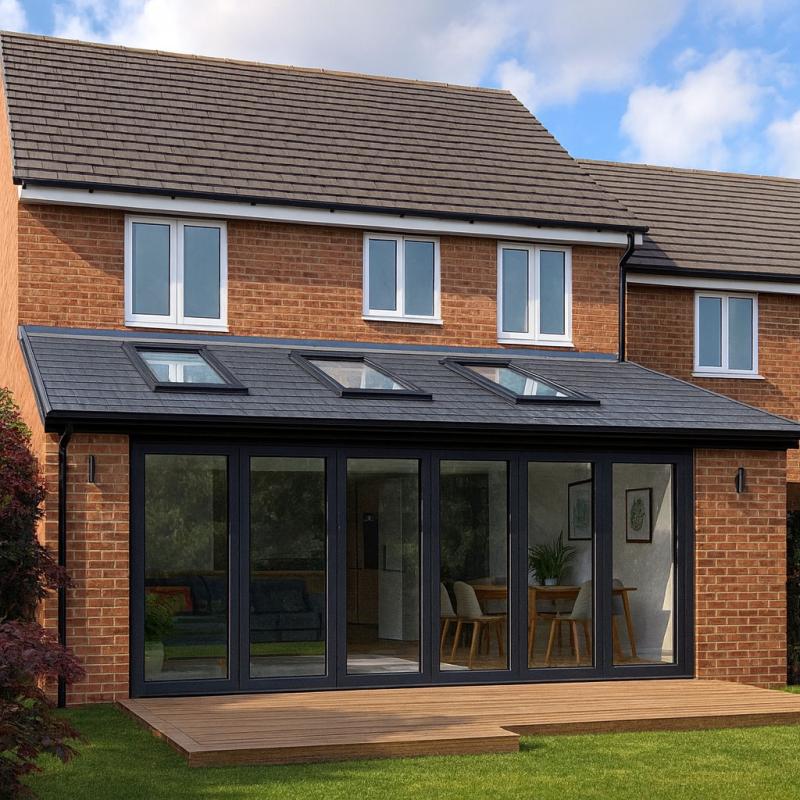
Understanding House Extensions and Permits
House extensions are a common way for Melbourne homeowners to increase living space without the stress of moving. However, many people wonder if it is possible to build extensions without going through the permit process. Local building regulations are designed to ensure safety, structural stability, and compliance with council guidelines. In some cases, minor works may not require a permit, but larger extensions usually do. Knowing where the line is drawn helps you avoid costly mistakes.
What Counts as a Minor House Extension
Not every home improvement project triggers the need for a permit. Minor works, often called exempt building works, can sometimes be completed without formal approval. This may include small sheds, pergolas below a certain size, or internal renovations that do not change the structure of the house. When it comes to house extensions, anything that changes the building footprint, affects load bearing walls, or adds to the floor area usually requires permission.
Why Councils Require Building Permits
A permit is more than a bureaucratic hurdle. It is a safeguard for both the homeowner and the wider community. Councils want to ensure that extensions are structurally sound, fire safe, and compliant with planning schemes. If you were to build without approval, you might face fines, forced demolition, or difficulty selling the property later. Even if the work looks straightforward, it is wise to double check with the council or a licensed builder.
Can a House Extension Be Built Without a Permit
In Melbourne, the short answer is that only very small or low impact changes can be done without one. For example, an extension that is less than a set square metre limit and does not affect neighbouring boundaries may qualify. Each council has its own regulations, so what is possible in one suburb may not apply in another. Builders and renovators often advise clients to clarify requirements before starting to avoid issues.
The Role of a Builder in Extensions
A professional builder plays a key role in guiding homeowners through the process. Experienced builders in Melbourne know the local rules and can tell you which projects need permits. They can prepare plans, lodge applications, and ensure that work complies with the Building Code of Australia. Attempting to bypass this process may seem like a cost saving at first, but it often creates higher expenses in the long term.
How a Renovator Can Help With Design and Compliance
A renovator does more than design stylish spaces. Skilled renovators understand how design choices interact with planning rules. For example, they can create layouts that achieve the desired look and function while staying within council limits. A renovator can also suggest alternatives if your original idea requires approval. By working together with a builder, the renovator helps keep the project practical, legal, and cost effective.
Risks of Building Without a Permit
Some Melbourne homeowners think that small extensions will go unnoticed. However, councils regularly inspect properties, and neighbours may lodge complaints. If unapproved work is discovered, you can be ordered to stop construction, remove the extension, or pay heavy fines. Unpermitted work also causes headaches when refinancing or selling a property, as banks and buyers want clear compliance records. Avoiding permits is risky and rarely worth the trouble.
Practical Alternatives Without Permits
If you want more living space without permits, there are alternatives. Portable rooms, modular pods, or temporary structures may be allowed in certain situations. Landscaping improvements such as decking below a height limit, garden studios, or covered outdoor areas can sometimes fall under exempt categories. These still need to follow guidelines, but they may offer flexibility for homeowners who prefer to avoid a long approval process.
How to Check Your Local Rules
Every Melbourne council publishes building guidelines online. These outline what is exempt and what requires a permit. Before starting, it is worth contacting the council building department directly. They can confirm details for your suburb and provide written advice. Builders and renovators can also do this on your behalf, saving time and confusion.
Steps to Take Before Extending Without a Permit
If you are thinking about a house extension without a permit, take these steps:
-
Check your local council guidelines.
-
Consult a licensed builder to confirm compliance.
-
Engage a renovator to adapt design ideas to meet exemptions.
-
Keep written confirmation from the council for future reference.
-
Plan for the possibility that approval may still be needed.
When Permits Are Absolutely Necessary
There are clear cases where a permit cannot be avoided. Structural changes, load bearing wall removals, significant floor area additions, or extensions close to property boundaries always require approval. If you ignore these rules, you risk structural damage, legal penalties, and disputes with neighbours. For any substantial project, involving a professional builder and renovator is the safest path.
Final Thoughts for Melbourne Homeowners
Building home extensions without a permit may sound appealing, but in reality, the scope is very limited. Most projects that add real value and space to your home will require approval. Instead of trying to bypass the system, work with a builder and renovator who understand Melbourne’s regulations. They can help you design and construct an extension that not only enhances your lifestyle but also protects your investment.
By taking the right steps from the start, you avoid legal issues and ensure that your extension adds both comfort and value to your home. When in doubt, always check with your council or trusted professionals. A well planned project will deliver the extra space you want and peace of mind that your property is safe, compliant, and ready for the future.
Post Your Ad Here
Comments