Unlocking Business Excellence Through Continuous Improvement
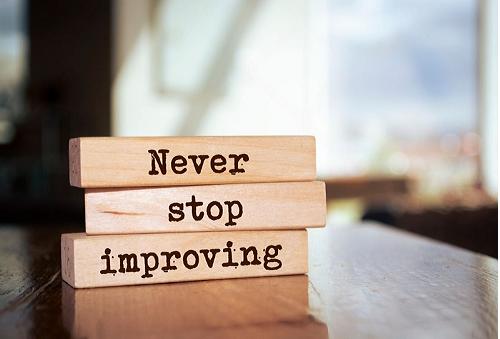
In today’s competitive landscape, organizations face mounting pressure to deliver better results, streamline operations, and remain agile in rapidly changing markets. To meet these demands, businesses increasingly turn to continuous improvement strategies that foster long-term growth, enhance operational efficiency, and empower teams. Continuous improvement is not just a process; it’s a cultural shift that requires commitment, clear direction, and actionable frameworks.
This article explores the objectives, effectiveness, skills, programs, and elements of continuous improvement, providing a comprehensive look at how organizations can integrate these practices into their operations for lasting success.
Understanding Continuous Improvement Objectives
The objectives of continuous improvement are multifaceted, but they all aim to drive progress and efficiency. At its core, continuous improvement is about identifying opportunities for small, incremental changes that cumulatively lead to significant transformation. Typical objectives include:
-
Enhancing efficiency and productivity: Streamlining processes to reduce waste and maximize value.
-
Improving quality: Ensuring that products and services consistently meet or exceed customer expectations.
-
Reducing costs: Minimizing unnecessary expenses without compromising value.
-
Boosting employee engagement: Encouraging teams to take ownership of improvements fosters accountability and innovation.
-
Supporting innovation and adaptability: Equipping organizations to respond quickly to market shifts and new opportunities.
When defined clearly, these objectives provide the foundation for all improvement initiatives, aligning efforts with broader business goals.
Measuring Continuous Improvement Effectiveness
For organizations, simply initiating improvement efforts is not enough. Measuring continuous improvement effectiveness is critical to ensure that strategies translate into measurable outcomes. Effectiveness can be assessed through several dimensions:
-
Quantitative Metrics: Reduced cycle times, improved output quality, or increased customer satisfaction scores.
-
Financial Impact: Tangible cost savings and revenue growth resulting from streamlined operations.
-
Employee Involvement: The degree to which employees contribute ideas and actively engage in improvement activities.
-
Sustainability of Change: Long-term adoption of new practices rather than temporary compliance.
-
Cultural Shifts: Evidence that continuous improvement has become ingrained in organizational values and behaviors.
By systematically measuring these areas, businesses can validate whether their programs are truly delivering results and identify areas where further refinements are needed.
Building Continuous Improvement Skills
Effective improvement initiatives depend heavily on the people who implement them. Developing the right continuous improvement skills across an organization is crucial. These skills include:
-
Problem-Solving: The ability to analyze processes, identify root causes, and propose effective solutions.
-
Data Analysis: Using metrics and performance data to guide decision-making and track progress.
-
Collaboration and Communication: Sharing insights across departments ensures that improvements are integrated seamlessly.
-
Leadership and Facilitation: Guiding teams through structured improvement methodologies such as Lean or Six Sigma.
-
Adaptability and Critical Thinking: Responding quickly to evolving challenges with creative approaches.
When employees at all levels cultivate these skills, continuous improvement moves beyond being a program and becomes part of the organization’s DNA.
Designing a Continuous Improvement Program
A continuous improvement program provides structure and consistency to improvement efforts. Without a clear program, even the best ideas can lose momentum. Essential steps in designing an effective program include:
-
Establish Leadership Support: Executive buy-in ensures the program aligns with strategic goals.
-
Define Objectives and Metrics: Clear targets guide the initiative and provide a benchmark for success.
-
Engage Employees: From frontline workers to management, involvement at every level fosters shared responsibility.
-
Provide Training: Teaching staff about methodologies such as Kaizen, Lean, or Agile helps create a common language.
-
Implement Tools and Frameworks: Structured approaches such as value stream mapping or process standardization ensure improvements are actionable.
-
Monitor and Refine: Regular evaluation ensures the program adapts to shifting organizational needs.
When carefully implemented, a program becomes the backbone of sustainable improvement, reinforcing a cycle of learning and progress.
Key Elements of Continuous Improvement
Organizations that succeed in improvement initiatives often share a set of common practices. These elements of continuous improvement include:
-
Leadership Commitment: Leaders set the tone by modeling behaviors and allocating resources.
-
Employee Involvement: Ideas for improvement often come from those closest to the work.
-
Structured Methodologies: Frameworks such as PDCA (Plan-Do-Check-Act) ensure consistency.
-
Data-Driven Decision Making: Objective analysis prevents reliance on assumptions.
-
Culture of Transparency: Open communication builds trust and encourages innovation.
-
Recognition and Rewards: Celebrating success motivates ongoing participation.
These elements, when embedded into organizational culture, ensure that improvement is not a one-time event but an ongoing journey.
Crafting Effective Continuous Improvement Strategies
A strategy is more than a collection of goals and tactics—it is the vision that connects improvement efforts to long-term success. Continuous improvement strategies should balance short-term wins with long-term sustainability. Key considerations include:
-
Alignment with Business Strategy: Improvements should support the company’s larger mission and objectives.
-
Scalability: Strategies must work across multiple departments, regions, or product lines.
-
Integration with Technology: Leveraging digital tools, automation, and analytics can accelerate improvements.
-
Flexibility: Strategies should adapt to changing market dynamics and organizational needs.
-
Focus on Customer Value: Improvements must consistently enhance customer experiences and outcomes.
By aligning improvement strategies with overarching goals, companies create a unified approach that maximizes impact.
Overcoming Challenges in Continuous Improvement
Despite its benefits, organizations often face challenges when adopting improvement practices. Common obstacles include resistance to change, limited resources, lack of clear direction, or insufficient measurement systems. Overcoming these requires:
-
Strong communication that emphasizes the “why” behind changes.
-
Training and development programs to close skills gaps.
-
Executive sponsorship to ensure alignment with priorities.
-
Incremental changes that deliver quick wins, building momentum.
Recognizing these challenges early allows organizations to address them proactively, ensuring smoother adoption.
Continuous Improvement as a Cultural Mindset
At its highest level, continuous improvement is not just about processes—it is about people and culture. Organizations that foster curiosity, empower employees, and celebrate small wins create environments where innovation thrives. Over time, these cultural shifts ensure that improvement is not a task on a checklist but a way of working.
When continuous improvement becomes a cultural mindset, businesses can achieve resilience, adaptability, and long-term excellence in a constantly changing marketplace.
Conclusion
Continuous improvement is more than a business methodology; it is a philosophy that empowers organizations to achieve sustainable success. By setting clear continuous improvement objectives, measuring effectiveness, nurturing essential skills, implementing structured programs, embedding the core elements of continuous improvement, and crafting resilient strategies, businesses can unlock their full potential.
For professionals seeking to lead their organizations into the future, embracing continuous improvement is no longer optional—it is essential. Those who master this discipline position their organizations to thrive in a world defined by constant change.

Post Your Ad Here
Comments (1)
Nakul singh negi8
hey I am Nakul
nice ..???????????????