Unlocking the MPD Meaning: A Strategic Guide to Effective Product Development
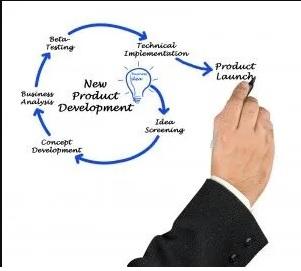
In today’s fast-paced business world, the success of an organization is often determined by its ability to innovate and develop new products that meet market demands. MPD (Managing Product Development) is an essential concept that plays a pivotal role in this process. Understanding MPD meaning and implementing its best practices can significantly improve a company’s ability to create winning products that align with its business strategy, customer needs, and competitive pressures. In this article, we will delve into the MPD meaning, its six fundamental stages, and why it is crucial for the success of product development.
1. MPD Meaning: Ideation – The Power of New Ideas
The MPD meaning starts with ideation, the first step in the product development process. Ideation is about brainstorming and generating creative ideas that can be transformed into potential products. This phase is crucial because it lays the groundwork for future product development by aligning ideas with business objectives and market needs.
During ideation, teams must leverage market research, customer feedback, and industry trends to come up with ideas that have the potential to stand out in the competitive landscape. At this stage, the goal is to foster creativity and encourage cross-functional collaboration to create a diverse pool of ideas that can be evaluated and developed further.
Key Takeaways:
-
Ideation is about generating creative ideas.
-
Align product ideas with market needs and business strategy.
-
Foster a collaborative and innovative environment for brainstorming.
2. MPD Meaning: Business Case – Turning Ideas into Viable Products
Once an idea has been selected, the next phase of the MPD meaning is the business case. This step involves evaluating the product idea’s financial and strategic feasibility. The business case examines factors like market potential, cost estimations, revenue projections, and alignment with the company's long-term strategy.
The business case serves as the blueprint for whether a product idea should move forward or be discarded. This phase ensures that only viable ideas are pursued, helping companies avoid wasting resources on products that do not have a strong market potential.
Key Takeaways:
-
The business case helps assess the financial and strategic viability of an idea.
-
It involves evaluating market demand, cost, and potential ROI.
-
The business case ensures alignment with company goals.
3. MPD Meaning: Validation – Testing Ideas Before Commitment
In the MPD meaning, validation is the phase where product ideas are tested and refined. This step involves creating prototypes, running pilot tests, and gathering feedback from customers and stakeholders. The goal is to validate whether the product concept resonates with the target market and if it addresses real customer needs.
During the validation phase, companies should focus on gathering actionable insights and identifying any weaknesses or areas for improvement. This stage is crucial because it helps companies avoid costly mistakes in later stages of product development.
Key Takeaways:
-
Validation tests the product concept with real customers.
-
Feedback gathered during validation helps refine the product.
-
Ensures that the product meets customer needs and market expectations.
4. MPD Meaning: Process Development – The Path to Production
Process development is the next stage in the MPD meaning. This phase involves outlining the operational processes needed to bring the product to life, from manufacturing to marketing. It includes defining supply chains, production workflows, and the necessary resources to efficiently produce the product at scale.
Process development is where the product begins to take shape in terms of production, sales, and distribution. This phase is vital for ensuring that the company is ready to produce the product in large volumes while keeping costs manageable and meeting quality standards.
Key Takeaways:
-
Process development focuses on creating the operational blueprint for production.
-
It involves defining manufacturing, logistics, and marketing strategies.
-
The goal is to ensure smooth and cost-efficient product scaling.
5. MPD Meaning: Production Release – Bringing the Product to Life
The MPD meaning culminates in the production release, where the product is officially launched into full-scale production. At this stage, all production processes are finalized, and the product is ready for widespread distribution.
During the production release, it’s essential to monitor the production process closely, ensuring that any issues—such as delays or quality concerns—are addressed promptly. This phase marks the transition from conceptualization to the real-world delivery of a product, making it one of the most critical stages in the MPD process.
Key Takeaways:
-
The production release marks the transition to large-scale manufacturing.
-
Close monitoring ensures that production stays on schedule and within budget.
-
This phase is critical for meeting customer expectations and launching the product successfully.
6. MPD Meaning: Postproduction Release Audit – The Road to Continuous Improvement
Even after the product is released to the market, the MPD meaning is not complete without a postproduction release audit. This phase involves analyzing the product’s market performance, gathering customer feedback, and identifying areas for improvement. By continuously monitoring and refining the product, companies can ensure its long-term success and adaptability.
The postproduction release audit is essential for staying competitive and meeting evolving customer needs. It allows companies to learn from their mistakes, make necessary adjustments, and iterate on the product in future versions.
Key Takeaways:
-
The postproduction release audit gathers feedback and analyzes the product’s market performance.
-
It helps identify areas for improvement and future iterations.
-
Continuous improvement ensures the product’s long-term success.
Why Understanding MPD Meaning is Crucial for Your Business
For organizations aiming to streamline their product development process and boost their chances of success, understanding MPD meaning is essential. The six-step framework allows companies to minimize risks, reduce time-to-market, and ensure that products meet both customer expectations and business goals.
By following a structured MPD process, businesses can focus their efforts on the most promising product ideas and avoid wasting resources on less viable options. A well-executed MPD process also provides a clear path for teams to follow, ensuring alignment and collaboration across departments.
Conclusion: Embrace MPD Meaning for Business Success
In conclusion, MPD (Managing Product Development) is more than just a process; it’s a strategic framework that drives business success. By understanding the MPD meaning and incorporating its six stages—ideation, business case, validation, process development, production release, and postproduction release audit—companies can enhance their product development efforts, reduce risks, and achieve superior business performance.
Organizations that adopt the MPD process will not only create products that meet market demands but will also foster innovation, improve efficiency, and maintain a competitive edge. Embracing MPD meaning is essential for companies that want to succeed in today’s dynamic and ever-evolving marketplace.
Post Your Ad Here
Comments