10 Key Elements of Effective Continuous Improvement Programs
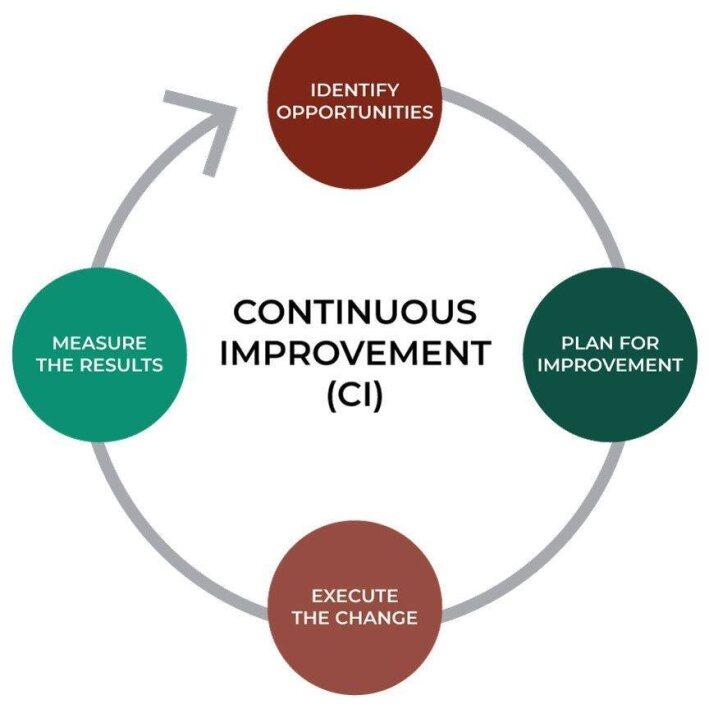
Continuous improvement is more than a buzzword—it's a mindset that drives lasting value across organizations. Companies that prioritize continuous improvement objectives often outperform competitors in efficiency, adaptability, and innovation. Whether you're leading a manufacturing plant, a supply chain unit, or an enterprise transformation project, mastering the elements of continuous improvement is vital for long-term success.
In this article, we explore the most crucial components that make continuous improvement programs truly effective, offering insights for professionals who are looking to implement or enhance their current strategies.
1. Clear Continuous Improvement Objectives
Every successful improvement journey begins with well-defined goals. Continuous improvement objectives should align with overall business strategies and be measurable in terms of quality, time, cost, or customer satisfaction.
A clear vision sets the stage for progress, fosters accountability, and helps prioritize efforts.
Companies like Group50 specialize in aligning improvement goals with enterprise strategies, ensuring that each initiative contributes measurable business value.
2. Strong Leadership Commitment
Top-down support is a non-negotiable element. Without leadership buy-in, most continuous improvement initiatives struggle to take off or sustain. Leaders must champion the improvement mindset and allocate sufficient resources.
A visible commitment from executives fosters a culture where innovation and refinement are both expected and celebrated.
3. Cross-Functional Team Collaboration
Improvement is not the responsibility of a single department. Cross-functional teams bring a 360-degree view of problems and solutions. This collaboration encourages ownership and creativity, breaking down silos that often hinder progress.
Interdepartmental collaboration boosts continuous improvement effectiveness by pooling diverse expertise.
4. Use of Process Improvement Consultants
Sometimes, a fresh perspective is necessary. Process improvement consultants provide external expertise and proven frameworks that internal teams may lack. They help diagnose issues quickly and implement best practices that accelerate impact.
Engaging professionals like those at Group50 ensures your organization benefits from industry-wide insights and tested methodologies.
5. Structured Continuous Improvement Programs
Ad-hoc changes yield limited results. A structured continuous improvement program offers a scalable and repeatable model for change. Whether it’s Lean, Six Sigma, or a hybrid approach, consistency is key.
Formal programs allow teams to track progress, share knowledge, and institutionalize successful processes.
6. Skill Development and Training
Sustainable change relies on upskilling your team. Empowering employees with continuous improvement skills such as root cause analysis, value stream mapping, and agile thinking is essential.
Training ensures that improvement is embedded in the culture—not just driven from the top.
Companies like Group50 offer tailored training sessions to align teams with process improvement goals and tools.
7. Data-Driven Decision Making
Metrics matter. Improvement without measurement is guesswork. Define KPIs aligned with your continuous improvement objectives and use data dashboards to monitor progress in real-time.
Data enables informed decisions, justifies changes, and proves ROI for every initiative.
8. Effective Communication Strategy
Communication bridges the gap between strategy and execution. Regular updates, transparent progress reports, and open feedback channels ensure that all team members stay informed and engaged.
A well-executed communication plan supports the rollout of continuous improvement programs by building trust and clarity.
9. Pilot Programs and Quick Wins
Before rolling out large-scale transformations, test the waters with pilot projects. These initiatives deliver quick wins that validate your strategy and generate momentum.
Pilots provide real-time insights into feasibility and help refine your broader continuous improvement initiatives.
10. Feedback Loop and Iteration
Improvement is, by nature, ongoing. Establish feedback loops to capture lessons learned, iterate on current processes, and scale successful models across the organization.
Iteration ensures that your continuous improvement effectiveness continues to evolve with your company’s changing needs.
How to Implement Continuous Improvement
Implementing a successful improvement strategy requires more than inspiration. Here’s a quick roadmap:
-
Assess Current State – Use diagnostics to evaluate where you are today.
-
Define Objectives – Align with strategic goals.
-
Engage Stakeholders – Get leadership and team buy-in.
-
Build the Framework – Choose a methodology (Lean, Kaizen, etc.)
-
Train Your Team – Build continuous improvement skills through workshops or external training.
-
Launch Pilot Projects – Start small and scale gradually.
-
Monitor and Adjust – Use KPIs and feedback to refine efforts.
Professional support from experienced process improvement consultants can significantly streamline this process. Firms like Group50 offer end-to-end services for assessment, strategy formulation, execution, and measurement.
Conclusion
Successful businesses don’t improve by accident—they improve by design. With well-articulated continuous improvement objectives, skilled leadership, and structured programs, organizations can create lasting change. Leveraging tools, external consultants, and the right training ensures your team is equipped to drive sustainable results.
For those ready to elevate performance, boost efficiency, and gain a competitive edge, investing in a robust continuous improvement program is no longer optional—it’s a strategic imperative.
Explore expert-led Continuous Improvement solutions at Group50 to start your journey toward operational excellence.
Post Your Ad Here
Comments