Mastering the Product Development Process: A Strategic Advantage for Business Growth
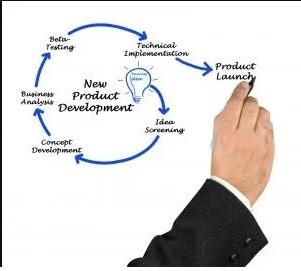
Product development is the single most important function a business must perform. It determines whether a company can keep pace with customer expectations, respond to competitive pressures, and achieve sustainable growth. Yet, many organizations struggle to align their business strategy, customer needs, and cost-reduction goals with product development. Without the right framework, even the best ideas risk falling short of expectations.
The solution lies in implementing a scalable, sustainable, and stage gate-based product development process that connects strategy with execution. Companies that excel in this area create robust pipelines of successful products, gaining a significant competitive advantage.
Why Product Development Matters
Every great product begins as an idea, but not every idea becomes a profitable product. To bridge the gap between concept and execution, organizations need a structured process. When properly managed, product development fuels innovation, enhances customer satisfaction, and drives profitability.
Companies that fail to establish a disciplined process often face challenges such as:
-
Misaligned strategy – Ideas that don’t support long-term goals.
-
Poor execution – Projects stalled by internal resistance or unclear ownership.
-
Inefficient resource allocation – Time and money wasted on low-value initiatives.
-
Missed opportunities – Strong ideas discarded due to lack of a formal assessment process.
A well-designed product development process eliminates these barriers by ensuring new products move efficiently from ideation to market launch.
The Six Fundamental Stages of Product Development
Group50’s Managing Product Development (MPD) methodology uses a milestone-driven, stage gate approach to ensure ideas are validated, aligned with strategy, and executed effectively. The six steps include:
-
IdeationGenerating innovative ideas from employees, customers, and market research. This stage focuses on creativity, brainstorming, and early validation of potential opportunities.
-
Business CaseEvaluating the financial, strategic, and market impact of the idea. Companies analyze competitive advantage, potential revenue, costs, and risks before moving forward.
-
ValidationTesting assumptions through customer feedback, prototypes, and feasibility studies. This ensures ideas meet real-world needs before investing heavily in development.
-
Process DevelopmentDesigning and refining processes, incorporating industry standards such as APQP (Advanced Product Quality Planning) and IATF requirements. This stage focuses on scalability, quality, and efficiency.
-
Production ReleaseMoving from concept to full-scale production. This involves final testing, compliance checks, and aligning operations for launch readiness.
-
Postproduction Release AuditEvaluating performance after launch. This step ensures the product meets expectations, provides lessons for future development, and verifies alignment with business strategy.
By following this structured approach, companies can identify winning ideas early, minimize risks, and ensure successful product launches.
Overcoming Challenges in Product Development
Despite the clear benefits, many organizations fail to establish a robust process. Why? Because product development isn’t just about designing products—it requires addressing organizational, cultural, and process barriers.
Common challenges include:
-
Resistance to change from within the organization.
-
Lack of clear accountability or ownership.
-
Overreliance on off-the-shelf processes without customization.
-
Failure to integrate with other functions like sales, marketing, and portfolio management.
This is why working with an experienced product development consultant is critical. Consultants bring expertise in MPD, business process design, technology integration, and change management—ensuring a smoother implementation and higher success rates.
The Role of Product Lifecycle Management
Standout companies leverage product lifecycle management (PLM) to optimize every stage of the development journey. PLM ensures that:
-
Products align with long-term strategy.
-
Resources are allocated to high-value initiatives.
-
Performance is monitored across the entire lifecycle.
-
Lessons learned are fed back into future development.
When executed effectively, PLM creates a self-sustaining cycle of innovation and profitability.
Why a Holistic Approach Matters
Product development doesn’t exist in isolation. It requires alignment with multiple functions, including strategy, marketing, sales, operations, and portfolio management. Companies that treat product development as part of a holistic business strategy consistently outperform those that don’t.
Group50’s Market Effectiveness consultants bring a unique perspective because they understand the interdependencies across product management, strategy, and market execution. This enables them to design processes that not only deliver successful products but also support overall business performance.
How Group50 Can Help
At Group50, we recognize that managing product development is one of the most critical and complex aspects of running a business. Our Managing Product Development (MPD) framework provides companies with:
-
A proven, stage gate-based methodology.
-
Tools to align product development with strategic goals.
-
Expertise in standards such as APQP and IATF.
-
Support in overcoming cultural and organizational barriers.
-
The ability to create a sustainable pipeline of winning products.
Organizations can benchmark their capabilities with our Product Development Assessment, a tool designed to measure performance against industry best practices.
Conclusion
A structured product development process is no longer optional—it’s a necessity for businesses aiming to remain competitive in today’s dynamic marketplace. By following a milestone-based, stage gate methodology and embracing product lifecycle management, companies can transform ideas into profitable products that drive growth.
With Group50’s expertise in product development consulting, organizations can overcome resistance, implement sustainable processes, and ensure that their product development efforts consistently align with business strategy.
? Learn more about how Group50 can transform your product development process: Group50 Consulting.
Post Your Ad Here
Comments (1)
Daniel Defoe6
Dwellmay
Strategic product development drives innovation, growth, and lasting success.