Exploring the Impact of Technological Progress on Stationary Batching Plant Performance
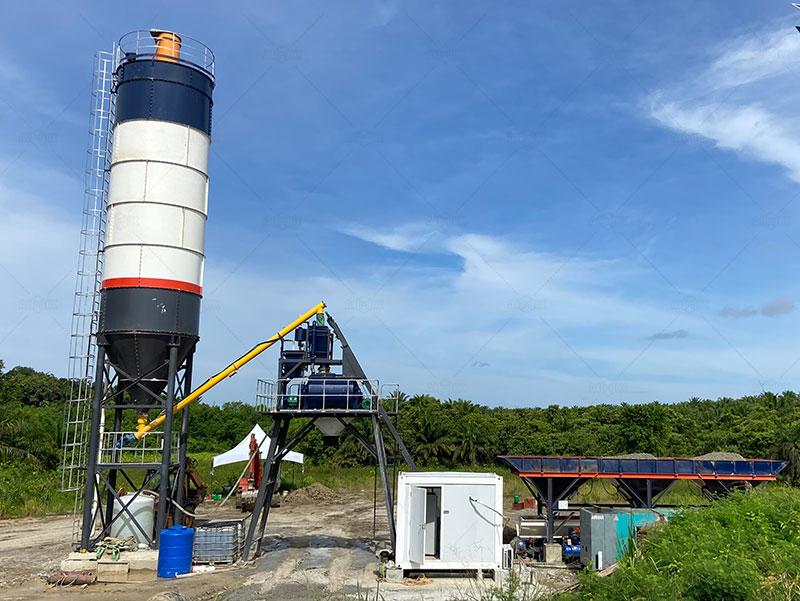
The landscape of construction material production is undergoing a profound and silent revolution. At the heart of this transformation are stationary concrete batching plants, long considered the workhorses of the industry. Technological progress has shifted their role from simple, utilitarian mixing stations to sophisticated hubs of data-driven efficiency and unparalleled consistency. This evolution is not merely about working faster; it is about working smarter, with greater care for resource utilization, final product quality, and the well-being of the operators who manage these complex systems. The integration of advanced technologies is redefining what is possible, turning stationary concrete batch plants into dynamic centers of production excellence.
The Integration of Automation and Intelligent Control Systems
Modern stationary plants are governed by programmable logic controllers (PLCs) and sophisticated software that orchestrate every aspect of production. This represents a significant departure from manual operation and rudimentary automation. These intelligent systems manage a intricate ballet of weighing, conveying, and mixing with meticulous precision.
Precision in Material Batching
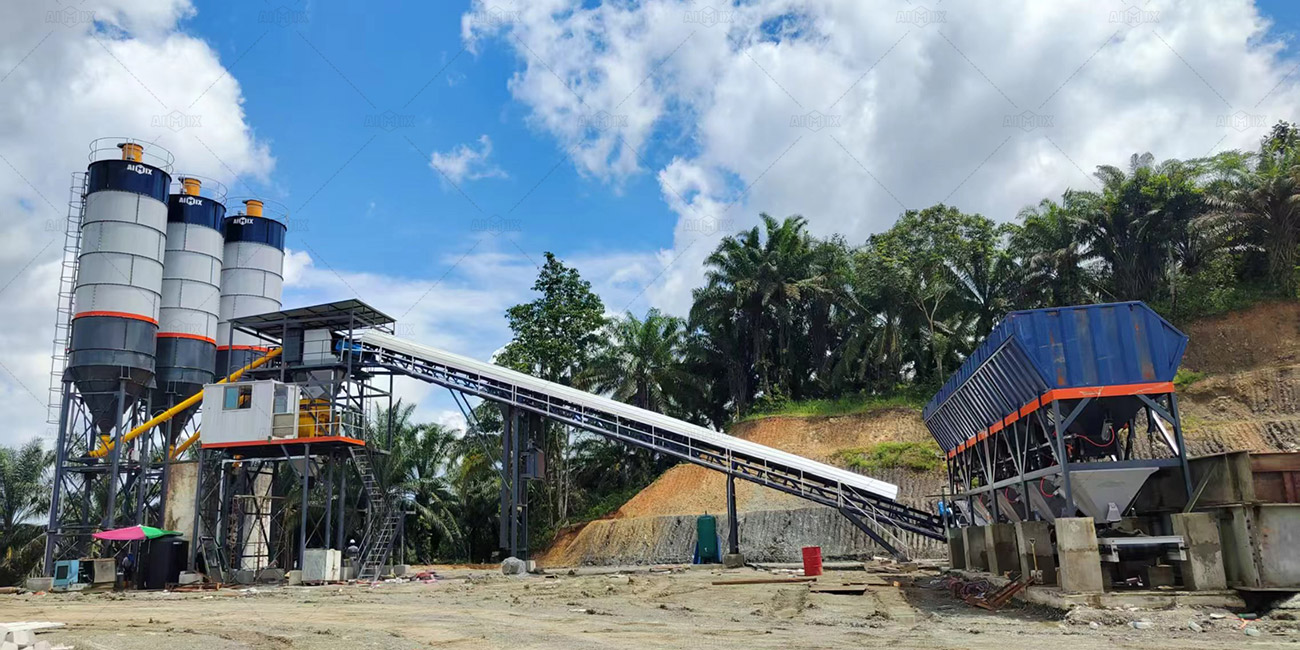
The core of a quality concrete mix lies in the accuracy of its ingredient proportions. Technological advancements have introduced high-resolution load cells and micro-ingredient dosing systems. These components work in concert with the control software to achieve measurement fidelity that was previously unattainable. This eliminates the costly and wasteful variances that can compromise structural integrity.
Recipe Management and Consistency
Sophisticated software allows for the storage of thousands of mix designs. Operators can recall any recipe with a simple command, ensuring that every batch, whether it is the first or the thousandth, is produced to the exact same specification. This digital consistency is a cornerstone of modern quality assurance, providing peace of mind for engineers and project managers.
Data Analytics and Proactive Maintenance Strategies
The proliferation of IoT sensors throughout the ready mix concrete plant has created a continuous stream of operational data. This data is the lifeblood of modern performance optimization. It is no longer sufficient to simply record production volumes; the focus has shifted to analyzing this information to glean actionable insights.
Predictive Maintenance for Enhanced Uptime
Vibration analysis sensors on motors, thermal cameras on electrical components, and pressure transducers in hydraulic systems can all signal the early stages of component wear or impending failure. The system can then alert maintenance teams to address issues during planned downtime, preventing catastrophic failures that halt production for days. This shift from reactive to predictive maintenance is a game-changer for operational reliability.

Performance Optimization Through Historical Analysis
By examining historical production data, plant managers can identify inefficiencies and bottlenecks. They can analyze energy consumption patterns, cycle times, and material usage rates to make informed adjustments that streamline operations. This continuous improvement loop, powered by data, drives down operational costs and enhances overall plant throughput.
Enhancing Sustainability and Environmental Stewardship
Technological progress has also made stationary batching plants more environmentally responsible. The industry is increasingly focused on reducing its ecological footprint, and advanced technology provides the tools to achieve this goal.
Dust Collection and Noise Abatement
Modern concrete batch plants for sale are equipped with highly efficient baghouse dust collectors that capture particulate matter at transfer points and silo vents. Furthermore, sound-dampening technologies and acoustic enclosures are now standard, significantly reducing noise pollution for surrounding communities. This demonstrates a caring approach to both the environment and public well-being.
Resource Management and Recycling
Advanced systems allow for the precise integration of recycled materials, such as supplementary cementitious materials (SCMs) and washed recycled water, into mix designs. Weighing and moisture monitoring systems ensure these materials are added with precision, supporting sustainability initiatives without compromising the final product's performance. This careful management of resources reflects a mature and responsible industry.
Post Your Ad Here
Comments