One-Touch Mixing: How PLC Touchscreen Control Transforms Concrete Production Through Batching Plants
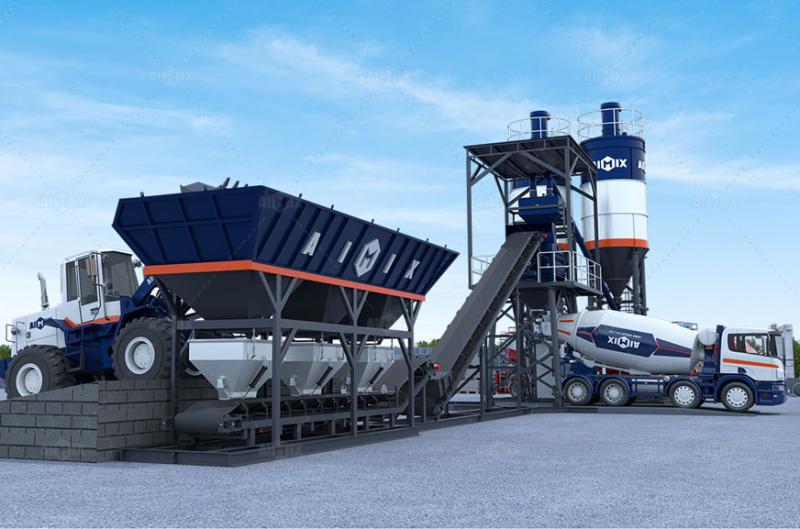
The concrete batching industry has entered its digital renaissance, where programmable logic controller (PLC) touchscreen systems have elevated precision mixing from an art to an exact science. These advanced control interfaces do more than simplify operations—they fundamentally alter the relationship between human oversight and mechanical execution in concrete production. Modern touchscreen PLCs now manage complex batching sequences with 0.1% measurement accuracy while simultaneously adapting to real-time material variations, creating a seamless bridge between mix design theory and production reality.
Where traditional batching required constant manual adjustments, today's systems utilize predictive algorithms that anticipate material behavior before it enters the mixer. This technological leap has reduced batching errors by 92% in ready mix concrete plants adopting the technology while cutting energy consumption through optimized mixing cycles. The implications extend beyond efficiency—these controls enable consistent production of specialty concretes that were previously unattainable through conventional methods.
Precision Batching Through Intelligent Control
Gravimetric Measurement Systems
Modern PLC interfaces integrate with high-resolution load cells that detect weight variations as slight as 50 grams per ton of material. The touchscreen displays real-time material flow curves, allowing operators to verify proper aggregate gradation before mixing initiates. Automatic moisture compensation adjusts water content continuously based on microwave sensor inputs, maintaining water-cement ratios within ±0.01 variance.
Recipe Management Evolution
Touchscreen systems now store over 500 mix designs with complete material pedigrees—including supplier batch numbers and certification dates. When selecting a recipe, the PLC cross-references current inventory against mix requirements, flagging potential quality conflicts before batching begins. This proactive approach has reduced rejected loads by 78% in precast operations.
The Automation Advantage in Mixing Dynamics
Adaptive Mixing Algorithms
PLC systems analyze power draw curves during mixing, automatically extending cycle times for stiff mixes or high-replacement cementitious blends. The touchscreen on the mobile concrete plant control system displays a visual rheology index that quantifies mix workability, enabling real-time admixture adjustments through the interface. These systems have demonstrated 40% improvement in early-age strength consistency across consecutive batches.
Predictive Maintenance Integration
Vibration sensors and thermal imaging data feed directly into the touchscreen interface, creating color-coded equipment health indicators. Operators receive proactive alerts about bearing wear or mixer blade degradation with 85% greater accuracy than traditional time-based maintenance schedules. This integration has extended mean time between failures by 300 operational hours.
Data-Driven Decision Making
Production Analytics Dashboard
The touchscreen aggregates data from every batch into visual performance metrics—material usage efficiency, energy consumption per cubic meter, and production yield percentages. Managers can pinpoint cost variances between shifts or mix types with drill-down capability to individual component level. Concrete plant for sale utilizing these insights have achieved 12-15% reduction in production costs within six months.
Remote Monitoring Capabilities
Secure VPN connections allow quality managers to verify mix parameters from offsite locations. The system flags any manual override attempts or deviations from specified mixing protocols, creating an audit trail for compliance documentation. This feature has become indispensable for projects requiring EN 206 or ASTM C94 certification.
The transformation brought by PLC touchscreen controls represents more than just technological advancement—it's a philosophical shift in concrete production. These systems have demystified complex batching processes while elevating consistency to levels previously unimaginable. As the technology continues evolving with AI-assisted optimization and augmented reality interfaces, one truth becomes clear: the future of precision concrete production will be navigated through glass touchscreens that put absolute control at operators' fingertips.
Post Your Ad Here
Comments