Predict, Prevent, Produce: IoT Role in Maintenance and Optimization of Batching Plants
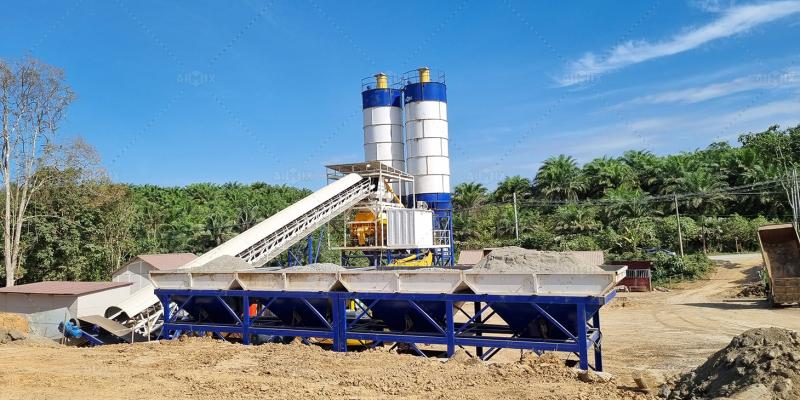
The concrete production industry stands at the threshold of a predictive revolution, where Internet of Things (IoT) technologies are transforming portable concrete batch plants from reactive systems into proactive production powerhouses. This paradigm shift moves maintenance strategies from calendar-based schedules to condition-driven interventions, while simultaneously unlocking unprecedented operational efficiencies. The integration of sensor networks, edge computing, and machine learning algorithms creates an intelligent ecosystem that anticipates equipment needs before failures occur and optimizes processes in real-time.
Modern IoT implementations in batching plants now achieve what was previously unimaginable - predicting bearing failures 400 operating hours in advance, automatically adjusting mix designs based on material variability, and reducing energy consumption by learning production patterns. These capabilities don't simply improve existing operations; they redefine the fundamental economics of concrete production by minimizing waste, maximizing uptime, and ensuring consistent quality regardless of external variables.
Condition-Based Maintenance Reimagined
Vibration and Thermal Profiling
Advanced IoT sensors now track equipment health through multi-axis vibration analysis and infrared thermal imaging, detecting anomalies at their earliest detectable stages. These systems establish baseline operational signatures for every critical component, from mixer gearboxes to conveyor motors, alerting managers when readings deviate beyond acceptable thresholds. The granularity of data enables differentiation between normal wear patterns and impending failures with 92% accuracy.
Fluid Quality Monitoring
Inline sensors continuously analyze hydraulic fluids and lubricants for particulate contamination, viscosity changes, and chemical breakdown. This real-time fluid intelligence prevents 78% of lubrication-related failures while optimizing oil change intervals based on actual condition rather than arbitrary schedules. The system automatically adjusts filtration cycles when contamination levels rise, extending component life by 30-45%.
Process Optimization Through Machine Learning
Adaptive Batching Algorithms
IoT-enabled plants employ self-learning systems that correlate material properties with final product quality across thousands of batches. These algorithms automatically adjust water-cement ratios, mixing times, and admixture dosages based on real-time analysis of aggregate moisture, cement temperature, and ambient conditions. The result is consistent slump and strength characteristics despite natural material variations.
Energy Pattern Recognition
Smart meters coupled with production scheduling systems identify and eliminate energy waste patterns. The technology learns optimal equipment sequencing to avoid demand spikes, automatically shifts non-critical operations to off-peak periods, and recommends mechanical adjustments to improve power factor. Ready mix plant utilizing these systems report 18-22% reductions in energy costs without production impacts.
Predictive Analytics for Supply Chain Integration
Material Quality Forecasting
IoT systems analyze historical data from material deliveries to predict future quality variations before testing. By correlating supplier data, weather patterns, and transportation conditions with actual material performance, the system flags potential issues up to five days in advance. This allows proactive mix design adjustments rather than reactive quality control failures.
Wear Part Inventory Optimization
The plant's predictive maintenance data integrates with inventory systems to maintain optimal spare parts levels. Machine learning analyzes wear rates, supplier lead times, and production schedules to generate purchase orders precisely when needed - no sooner, no later. This reduces inventory carrying costs by 35-50% while eliminating stock-out situations.
The IoT revolution in small concrete batch plants creates a virtuous cycle where predictive capabilities enhance preventive measures, which in turn optimize production outcomes. This trifecta of predict-prevent-produce delivers measurable financial returns - 40% fewer unplanned shutdowns, 15% higher overall equipment effectiveness, and 8-12% lower production costs. As these technologies mature, they're becoming not just competitive advantages but fundamental requirements for any concrete producer committed to operational excellence in an increasingly data-driven construction ecosystem.
Post Your Ad Here