How to Store Laminating Film Properly to Extend Its Shelf Life
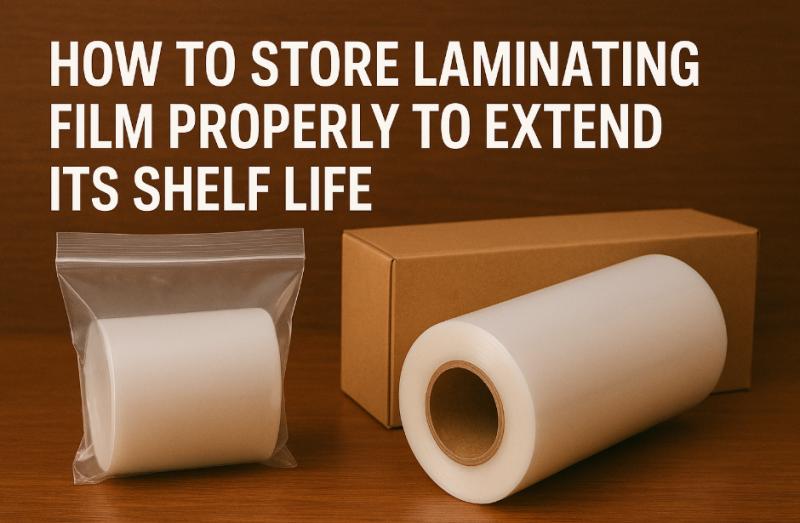
Laminating film is widely used in offices, schools, print shops, and packaging facilities. For businesses that buy laminating film rolls in bulk, proper storage is not just about saving space—it directly affects the quality and performance of the film. When stored incorrectly, film can curl, lose adhesive strength, or develop dust and wrinkles. In this guide, we'll explain how to store laminating film properly so you can extend its shelf life and avoid waste.
Why Proper Storage Matters
Laminating film is made of multiple layers: a base film and an adhesive layer. Some films also have a matte or glossy coating on the surface to enhance appearance. These materials react to temperature, humidity, and light. If the environment is unstable, the film can change in shape or texture before you even use it.
Choose the Right Storage Environment
-
Temperature: Keep between 18°C and 24°C (65°F–75°F).
-
Humidity: Maintain 40%–60% relative humidity.
-
Light: Store away from direct sunlight or strong artificial light.
-
Air quality: Keep away from dust, smoke, and chemical fumes.
A clean, climate-controlled room is ideal for warehouses and workshops that store laminating film rolls.
Store Laminating Film Rolls Correctly
-
Keep rolls upright instead of laying flat.
-
Use the original box for dust and light protection.
-
Avoid floor contact—place on pallets or racks.
-
Rotate stock with the FIFO rule.
By treating the rolls carefully, you protect both the adhesive and the surface coating.
Protect the Film Surface
The surface of laminating film—whether glossy or matte—has a delicate coating.
-
Don’t stack heavy items on film rolls.
-
Handle with clean hands or gloves.
-
Reseal partially used rolls in plastic bags.
Both glossy laminating film and matte laminating film need equal care.
Common Storage Mistakes to Avoid
-
Leaving rolls near printers or heaters.
-
Exposing rolls to open air for weeks.
-
Storing rolls horizontally on the floor.
-
Forgetting to label rolls by date.
Daily Handling Tips
-
Check and trim edges before loading a roll.
-
Keep sharp tools away from the surface.
-
Use a trolley for heavy rolls.
-
Tape the film end securely on partly used rolls.
Quick Storage Checklist
-
Clean, cool, and dry room?
-
Rolls sealed or covered?
-
Stored upright and off the floor?
-
Dates marked for new rolls?
When to Replace Laminating Film
-
Adhesive no longer bonds well.
-
Film edges feel sticky or soft.
-
Surface shows scratches or fading.
Most rolls last 18–24 months if stored correctly.
Conclusion
Proper storage is the key to getting the most out of your laminating film rolls. By controlling temperature, humidity, and handling, you can protect the adhesive and the surface coating—whether glossy or matte—and ensure a long shelf life.
If you are looking for reliable supplies, our company offers high-quality glossy laminating film or matte finishes, suitable for businesses, workshops, and wholesalers. Visit our website to learn more about our full product range.


Post Your Ad Here
Comments