How Food Trucks Are Changing the Food Industry
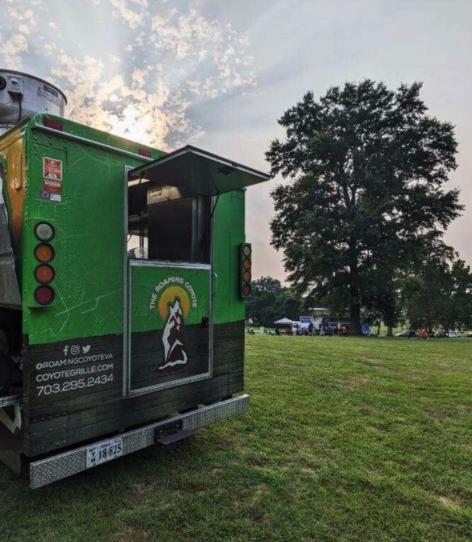
The article below provides a detailed perspective on how the food industry is being transformed by food trucks.
Food trucks can enable food chefs to experiment with flavors and dishes at a cheaper rate than a conventional restaurant. Numerous trucks offer fusion food, a blend of tastes from around the world in innovative forms. Small menu offerings encourage chefs to focus on quality and uniqueness. The flexibility allows them the freedom to explore new ideas and innovate quickly, as per customer reviews. They can also respond instantly to local tastes and seasonal food.
Convenience for Consumers
Food Trucks in Fairfax VA bring meals straight to busy specialists, students, and event-goers. Their presence in high-traffic areas makes grabbing fresh, hot food easy and fast. They also save time for people who are on the go, unlike traditional restaurants. The ease of use has seen food trucks being a favorite during lunch breaks, casual dinners, and street gatherings. There is also the option of pre-order and pickup in many trucks, which makes them an even faster service.
Low-Cost Entrepreneurship
Food trucks require less capital to start than those who want to open a restaurant, making them accessible to aspiring chefs. Reduced overhead, fewer staff, and reduced rent decrease financial risk. This will enable entrepreneurs to concentrate on the cooking process and the customer. Food trucks are a low-cost stepping stone towards scaling up to test business premises. They also enable small business owners to create a brand without huge financial investments.
Incubators for Restaurants
Many well-known restaurants started as humble food trucks. They provide a platform to refine recipes, understand market demand, and build loyal customers. Success on the road often translates to a successful restaurant launch. This model reduces trial-and-error costs and encourages creativity without long-term commitments. Food trucks serve as real-world testing grounds for menu ideas and customer service.
Community Engagement
Loudoun County Food Trucks create social hubs at festivals, markets, and pop-up events. Customers interact with chefs, share food recommendations, and meet other enthusiasts. This casual environment fosters a sense of community and belonging. People increasingly seek dining experiences that combine food with social connection. Food trucks often support charity events or local initiatives, strengthening community ties.
Supporting Local Economy
Food trucks stimulate local economies by generating employment opportunities and supporting small local suppliers. They increase foot traffic, benefiting nearby shops and event organizers. Many trucks source ingredients locally, helping farmers and local producers thrive. This ripple effect strengthens urban neighborhoods and contributes to sustainable economic growth. Their presence also encourages tourism and attracts visitors to city centers.
Sustainable Practices
Many food trucks prioritize eco-friendly operations, including the use of biodegradable packaging and energy-efficient equipment. Sourcing ingredients locally reduces transportation emissions and supports nearby farms. Smaller operational footprints compared to restaurants lower overall energy usage. Food trucks are proving that mobility and sustainability can go hand in hand. They also educate customers on environmentally responsible choices.
Driving Food Trends
Food trucks often pioneer innovative dishes, sauces, and culinary techniques. Their menus quickly adapt to emerging trends, influencing the mainstream restaurant industry. Social media amplifies these trends, turning small truck creations into viral sensations. In this way, trucks shape modern food culture and inspire chefs worldwide. They constantly push the boundaries of traditional culinary norms.
Technology Integration
Mobile apps, GPS tracking, and online ordering make it easy for customers to locate and purchase food. Social media allows trucks to announce menus, specials, and locations in real-time. Digital payments and loyalty programs enhance convenience and repeat business. Technology is key to connecting food trucks with a broader audience efficiently. Many trucks also use data analytics to understand customer preferences and optimize operations.
Cultural Diversity
Food trucks bring international flavors directly to streets and neighborhoods. From BBQ tacos to Ethiopian vegan dishes, they introduce unique culinary experiences. This exposure broadens palates and encourages cultural exchange. Traditional restaurants often follow these trends, expanding menu diversity city-wide. They also celebrate cultural festivals with themed menus, increasing awareness and appreciation.
Affordable Gourmet
Best Food Trucks in Washington DC offer gourmet-quality meals at a fraction of restaurant prices. This accessibility allows more people to enjoy chef-driven, high-quality food. Smaller menus and focused operations help maintain quality while keeping costs low. It proves that delicious, innovative food doesn’t have to be expensive. Customers can enjoy unique dishes without feeling financially restricted.
Social Media Influence
Vibrant food photos, videos, and posts help trucks quickly reach a large audience. Viral content often leads to long lines and brand recognition. Social media also allows customers to engage, review, and promote their favorite trucks. The online presence amplifies their impact beyond physical locations. Platforms like Instagram and TikTok have transformed trucks into global culinary brands.
Flexibility in Menu & Location
Food trucks can easily adjust menus based on seasonality, local preferences, or events. Their mobility allows them to operate where demand is highest, from offices to festivals. This flexibility provides a competitive edge over fixed-location restaurants. It also encourages innovation and responsiveness to customer tastes. Changing locations also reduces dependency on a single customer base.
Food as an Experience
Food trucks make eating an interactive, fun, and memorable experience. The casual, street-side dining atmosphere appeals to all age groups. Customers enjoy watching food being prepared fresh and engaging with chefs directly. This experience transforms dining from a routine activity into a social and cultural adventure. Many trucks pair food with music or themed events, enhancing overall enjoyment.
Final Thoughts
Food trucks are more than mobile kitchens—they are catalysts of innovation, culture, and community. By combining creativity, accessibility, and sustainability, they transform the way people eat and experience food. From testing new trends to supporting local economies, food trucks have become an integral part of the modern food industry. Their influence continues to grow every year, changing the way we think about food.

Post Your Ad Here
Comments