Uses & Benefits Of the Top Football (Soccer) APIs
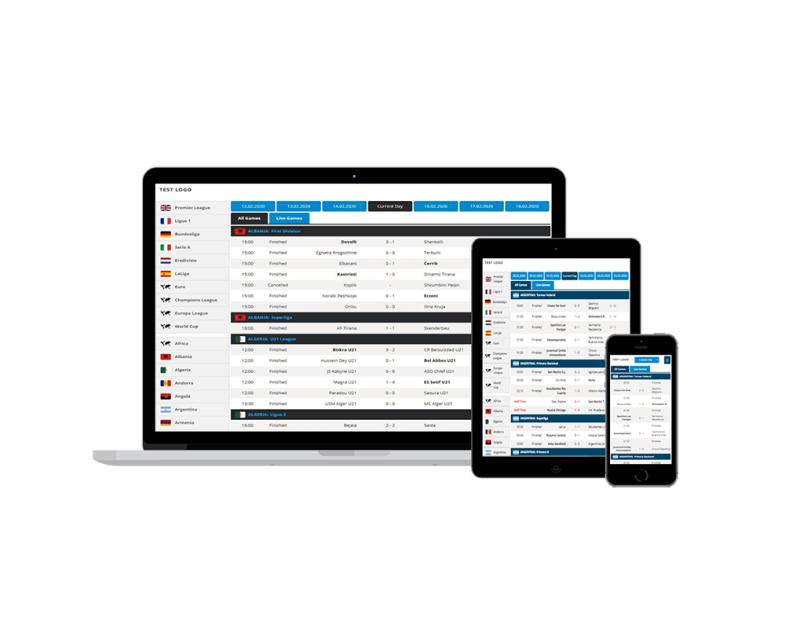
Football (soccer) is the world’s most popular sport, with billions of fans following their favorite teams, leagues, and players. In today’s digital era, fans no longer rely solely on television or newspapers for updates—they expect live scores, player stats, match schedules, and in-depth analytics at their fingertips. This demand has given rise to Football APIs (Application Programming Interfaces), which provide developers, businesses, and enthusiasts with real-time and historical football data.
Football APIs are essential for powering apps, websites, fantasy football platforms, betting services, and even AI-driven analytics tools. They offer structured access to match data, fixtures, player information, and live scores, eliminating the need to scrape unreliable sources.
What is a Football API?
Top Football (Soccer) APIs is a digital interface that allows developers to access football-related data from different sources. Instead of manually collecting information, developers can connect their apps or platforms with these APIs to fetch:
Live scores and match updates
Fixture lists for leagues and tournaments
Team and player statistics
Historical match results
League standings and rankings
Odds and betting-related data
APIs save time, ensure accuracy, and make it possible to deliver real-time football data to millions of users simultaneously.
Why Football APIs Are Important
Fan Engagement
Football APIs enable websites and apps to deliver live updates, enhancing fan experiences with more interactive and engaging content.Fantasy Sports
Fantasy football platforms rely heavily on accurate APIs to ensure real-time scoring and a fair gaming experience.Sports Betting
Betting companies use APIs for odds comparison, live stats, and predictive analytics.Media & News Outlets
APIs help journalists, bloggers, and broadcasters get quick access to verified football data.AI & Analytics
APIs provide structured data for AI-driven models that predict match outcomes, analyze player performance, or assist in scouting.
Features to Look for in a Football API
Not all APIs are created equal. When choosing one, consider:
Coverage: Global leagues, local tournaments, women’s football, and youth competitions.
Data Depth: Basic scores or advanced statistics like passes, assists, xG (expected goals), and heatmaps.
Update Speed: Real-time updates are crucial for betting and fantasy sports.
Reliability: A strong uptime guarantee ensures uninterrupted access.
Ease of Use: Well-documented APIs with developer support are easier to integrate.
Pricing Models: Free tiers, pay-per-use, or subscription-based options depending on your needs.
Top Football (Soccer) APIs
1. Live Score APIs
Best Sports APIs to Use in 2025 provide real-time match updates, including goals, red/yellow cards, substitutions, and final results. They are widely used in sports news apps and betting platforms.
Best for: Media websites, fan engagement apps, and fantasy football.
2. Fixture & Schedule APIs
These APIs provide upcoming match schedules, ensuring users never miss a game. They often include league calendars, team matchups, and tournament brackets.
Best for: Event scheduling apps, ticketing platforms, and team fan pages.
3. Player & Team Stats APIs
Stats APIs delve deep into player performance, covering goals, assists, tackles, saves, minutes played, and even fitness-related data. Teams and coaches use them for scouting and tactical analysis.
Best for: Fantasy sports, analytics dashboards, and performance tracking.
4. Historical Data APIs
Historical data APIs provide past match results, season statistics, and head-to-head comparisons. They are handy for predictive modeling, AI training, and sports journalism.
Best for: Betting predictions, AI models, and research platforms.
5. Odds & Betting APIs
These APIs deliver odds from multiple bookmakers in real time, allowing betting companies and comparison websites to provide users with accurate information.
Best for: Online betting, odds comparison sites, and predictive analytics.
6. Fantasy Football APIs
Fantasy football platforms rely on APIs to retrieve live statistics, calculate points, and manage leaderboards. These APIs ensure fairness and accuracy in scoring systems.
Best for: Fantasy league apps and fan-driven competitions.
7. Video & Highlight APIs
Some providers offer video clips, match highlights, or integration with streaming services. This adds a multimedia dimension to apps and websites.
Best for: Sports media outlets, fan engagement apps, and content creators.
8. Women’s Football APIs
As women’s football continues to grow globally, specialized APIs cover leagues, tournaments, and player stats dedicated to the women’s game.
Best for: Diversity-focused apps, sports media, and global fan bases.
Benefits of Using Football APIs
Speed and Accuracy – APIs ensure instant data delivery without delays.
Cost Efficiency – Reduces the need for large in-house data collection teams.
Scalability – Can handle millions of requests, making them ideal for popular apps.
Customization – Developers can fetch specific data points to suit their app’s needs.
Global Reach – Covering international leagues helps apps attract fans worldwide.
Challenges of Football APIs
While they’re powerful, Football APIs also come with challenges:
Data Licensing: Some leagues require paid licenses for official data.
Latency Issues: Delays in real-time data can harm betting or fantasy platforms.
Integration Complexity: Poorly documented APIs can be hard for developers to use.
Costs: Premium data, especially official league feeds, can be expensive.
The Future of Football APIs
Football APIs are evolving beyond just scores and fixtures. With advancements in AI and data analytics, APIs are beginning to provide:
Predictive Analytics: Forecasts on match outcomes and player performance.
Player Health Data: Injury risks, fatigue levels, and biometric insights.
Augmented Reality Integration: Real-time overlays for fans watching live games.
Fan Personalization: Tailored news, scores, and content based on fan preferences.
The growing popularity of esports-style football, such as FIFA eLeagues, also opens doors for APIs to cover digital competitions alongside traditional football.
Conclusion
Top Sports Scores APIs have become the backbone of the modern football experience. Whether it’s a fan checking live scores, a fantasy football player monitoring points, or a betting platform setting odds, APIs ensure that accurate and instant data flows seamlessly.
From live match updates to predictive analytics, Football APIs continue to revolutionize how fans, businesses, and analysts interact with the world’s most beloved sport. As football continues to grow globally, APIs will remain at the forefront of innovation, driving engagement and transforming fan experiences.
FAQs on Football (Soccer) APIs
Q1: Are Football APIs free to use?
Some APIs offer free tiers with limited data, while premium plans provide advanced statistics and broader coverage.
Q2: How fast are Football APIs in delivering live data?
Most reliable APIs deliver updates in real time, usually within seconds of an event happening on the pitch.
Q3: Can Football APIs be used for betting apps?
Yes, many APIs provide odds and betting-related data, but operators must comply with legal and licensing requirements in their region.
Q4: Do Football APIs cover women’s leagues as well?
Yes, many modern APIs include comprehensive coverage of women’s football tournaments and leagues.
Q5: What skills are needed to integrate a Football API?
Basic programming knowledge (e.g., JavaScript, Python, or PHP) and familiarity with RESTful APIs are usually enough for integration.
Q6: Are official league APIs better than third-party ones?
Official league APIs are highly reliable but can be expensive. Third-party APIs may offer broader coverage at lower costs.
Q7: Can Football APIs help in AI-based match predictions?
Absolutely. Historical data and advanced player statistics from APIs are essential for building predictive models.


Post Your Ad Here
Comments