How to Choose the Right Roof for Your Home
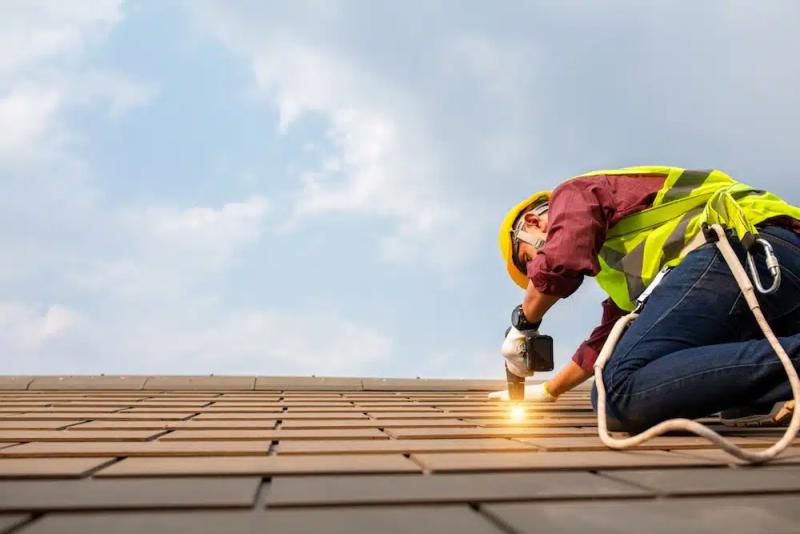
The article will guide you through key factors to consider, enabling you to make an informed decision.
Choosing the right roof for your home is one of the most important decisions a homeowner can make. A roof is not only a key aesthetic feature but also a critical protector against weather, temperature extremes, and structural damage. The choice impacts durability, cost, energy efficiency, and overall value of your home.
1. Understand Your Roofing Needs
Before choosing a roof, assess your needs. Consider the climate in your area, your home’s architectural style, your budget, and your long-term goals. For example:
Climate considerations: In areas with heavy rainfall or snow, durability and water resistance are more important. Hot climates require roofs with strong heat resistance and good insulation.
Aesthetic considerations: The roof should complement the style of your home. Asphalt shingles, clay tiles, and metal roofing all offer different looks.
Longevity: Different materials have different lifespans. Consider how long you want your roof to last before replacement.
2. Roofing Material Options
There are many roofing materials available. Each has its own advantages, drawbacks, and cost range.
a. Asphalt Shingles
Pros: Affordable, easy to install, available in many colors and styles.
Cons: Shorter lifespan (15–30 years) compared to other materials.
b. Metal Roofing
Pros: Durable, energy-efficient, resistant to extreme weather, long lifespan (40–70 years).
Cons: Higher upfront cost, requires professional installation.
c. Clay or Concrete Tiles
Pros: Extremely durable, fire-resistant, aesthetically appealing.
Cons: Heavy (requires strong roof structure), high cost, brittle under impact.
d. Slate Roofing
Pros: Very durable (over 100 years), luxurious appearance.
Cons: Expensive, heavy, requires expert installation.
e. Wood Shingles or Shakes
Pros: Natural beauty, good insulation.
Cons: Requires maintenance, susceptible to fire and rot.
f. Synthetic Roofing
Pros: Lightweight, affordable, mimics natural materials.
Cons: Can be less durable than natural options.
3. Consider the Roof’s Lifespan
Every roofing material has a different lifespan. Choosing the right Roofing Springfield VA longevity with cost and maintenance. Asphalt shingles last about 20 years, while metal roofs can last over 50 years. Slate and clay tiles are the most durable but also the most expensive. Consider how long you plan to stay in your home before deciding.
4. Cost Factors to Consider
Roof replacement or installation is a major investment. Costs depend on:
Material type
Roof size
Roof complexity and pitch
Labor and installation charges
Maintenance and repairs
A higher upfront cost often means lower long-term maintenance costs. For example, metal and slate roofs cost more initially but last much longer, reducing replacement frequency.
5. Energy Efficiency
Your roof plays a big role in your home’s energy efficiency. Lighter-colored materials reflect heat, reducing cooling costs in hot climates. Some roofing materials, such as metal and tile, provide natural insulation and improve energy efficiency. Consider options that have ENERGY STAR® ratings if you want to lower utility bills.
6. Maintenance Requirements
Some roofs need more care than others. Asphalt shingles require periodic inspection and replacement of damaged shingles. Wood shakes need treatments to prevent rot. Metal and tile roofs require less maintenance but still need occasional inspections to ensure longevity. Consider how much time and money you’re willing to invest in maintenance.
7. Local Building Codes and HOA Rules
Before choosing a roofing material, check local building codes and any Homeowners Association (HOA) regulations. Certain areas may require specific roofing materials due to weather, fire safety, or neighborhood aesthetics. Ignoring these rules can result in costly fines or having to redo your roof.
8. Environmental Impact
Eco-conscious homeowners should consider environmentally friendly roofing options. Metal roofs are recyclable, while clay tiles are natural and durable. Green roofs (covered in vegetation) improve insulation and reduce stormwater runoff. Solar shingles are another innovative choice that generates energy while serving as a roof.
9. Hire a Professional Roofing Contractor
Choosing the right Gutter Installation Fairfax services are important, but installation quality matters just as much. Hiring an experienced roofing contractor ensures proper installation, better warranty protection, and fewer repairs. Check reviews, ask for references, and confirm that the contractor is licensed and insured.
10. Warranty and Lifespan Guarantees
Different roofing materials and contractors offer varying warranties. Warranties can cover manufacturing defects, labor, or both. Always read the fine print. A strong warranty not only protects your investment but also indicates the quality of the material and installation.
11. Matching Your Home’s Style
Your roof should complement your home’s overall look. Modern homes often look great with metal or flat roofs, while traditional homes pair well with asphalt shingles or clay tiles. Consider architectural style, neighborhood aesthetics, and personal preference.
12. Weighing Long-Term Value
When choosing a roof, think beyond upfront costs. Consider the total cost of ownership — including installation, maintenance, repairs, and lifespan. A higher initial investment in a durable material can save money in the long run.
13. Roof Pitch and Structure Considerations
The slope (pitch) of your roof affects water drainage, style, and the type of materials you can use. Steeper roofs allow better drainage but may cost more to install. Your home’s structure must also support the weight of your chosen roofing material — especially for heavy options like slate or tile.
14. Future-Proofing Your Roof
Think about future needs when choosing your roof. Will you add solar panels? Do you plan to expand your home? Choosing a roofing material that supports future upgrades can save costs and effort later. Durable, adaptable roofs provide better long-term value.
Your roofing choice should account for seasonal changes and extreme weather conditions in your area. Heavy snowfall, hurricanes, high winds, or frequent rain will influence material durability and performance. Choosing Gutter Repair Fairfax that suits your local climate ensures better protection and longevity.
Conclusion
Choosing the right roof for your home requires balancing aesthetics, cost, durability, climate conditions, maintenance, and environmental impact. Take your time to research materials, consult with roofing professionals, and review warranties before making your decision. A well-chosen roof will not only protect your home but also enhance its value and beauty for decades to come.
Post Your Ad Here
Comments