Can Landscaping Help Save Water?
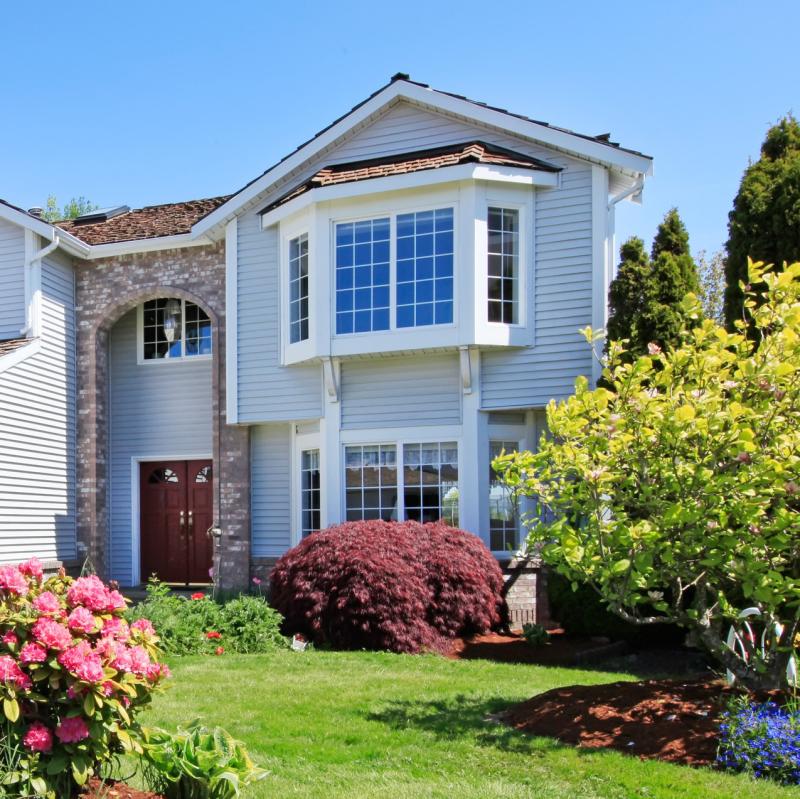
In this article, we will discuss how landscaping can conserve water, the role lawn mowing services play in this process, and the steps that can make a garden both beautiful and eco-friendly.
Why Saving Water Matters
Water is one of the most valuable resources on earth. We use water every day for drinking, cooking, cleaning, and gardening. However, in many areas, water is becoming increasingly scarce due to hot summers, climate change, and population growth.
A sizable amount of the water used in households is for outside purposes, such as watering plants and lawns. If we waste water in our yards, it puts extra pressure on the environment and also increases water bills. That is why it is essential to find simple ways to conserve water while maintaining the green and attractive appearance of your outdoor spaces. Landscaping Vienna VA can help you do precisely that.
How Landscaping Helps Save Water
Good landscaping is not just about randomly planting trees and flowers. It is about planning wisely. With the right design, the right plants, and proper care, a landscape can conserve a significant amount of water. Let us look at some ways this happens:
1. Using Native Plants
Plants that grow naturally in a certain area are known as native plants. Since they are used to the local climate, they need less water. For example, desert plants require very little water and still appear healthy and vibrant. By choosing native plants, homeowners can reduce the need for daily watering.
2. Grouping Plants with Similar Needs
It is called "hydrozoning." If we place plants that need the same amount of water in one spot, we can water more efficiently. For example, flowers that require more water can be grouped, while shrubs that need less water can be placed in a separate area.
3. Adding Mulch
Mulch is a simple but powerful way to save water. When we cover soil with Mulch, it prevents water from evaporating quickly. Mulch also keeps roots cool, improves soil quality, and reduces weed growth. It means less watering and less maintenance.
The Role of Lawn Mowing Service in Saving Water
At first, you may wonder what Lawn Mowing Service Chantilly VA has to do with water saving. The truth is that proper lawn mowing is directly linked to water conservation.
If grass is cut too short, it dries out quickly and needs more water.
If grass is cut at the right height, it stays healthy and green with less water.
To assist the soil maintain moisture, grass clippings can be placed on the lawn to replenish nutrients.
Professional lawn mowing services understand the proper techniques. They ensure lawns are cut at the correct height and in the most effective pattern. It not only makes the lawn look neat but also saves water in the long run.
Landscaping Practices That Save Water
Let's explore more landscaping practices that help save water:
Plant Trees for Shade
Trees are natural coolers. When we plant trees, they give shade to lawns and houses. Shade reduces water loss from the soil and also lowers the temperature around the home. It means less need for water and even lower energy bills.
Use Rainwater
Collecting rainwater in barrels or tanks is another innovative method for watering plants. Instead of using tap water, we can use natural rainwater, which is free and healthy for plants.
Soil Care
Healthy soil holds more water. By adding compost, we improve soil structure. It helps water soak in and stay longer, rather than running off.
Drought-Resistant Plants
Some plants are designed by nature to survive with very little water. Adding such plants to the landscape makes it easier to maintain a green garden without the need for constant watering.
Landscaping and the Environment
Saving water through Landscaping Manassas VA is not only good for your pocket, but also for the environment. When less water is used:
Rivers and lakes remain healthier.
Less energy is needed to pump water.
Groundwater levels remain balanced.
Plants and animals in the ecosystem benefit.
In this way, every small step in water-wise landscaping helps protect the natural environment.
Landscaping for Homes and Businesses
Water-saving landscaping is not only for homes. Businesses, schools, and public spaces can also benefit from thoughtful landscaping. Large properties often have big lawns and gardens that require high water use. By adopting eco-friendly landscaping, these places can reduce costs, enhance their image, and serve as a positive example for the community.
Benefits Beyond Saving Water
When we design landscapes to save water, we get many other benefits too:
Lower water bills.
Less time spent on watering and maintenance.
Healthier and stronger plants.
A more beautiful and peaceful outdoor space.
Increased property value.
So, water-saving landscaping is not just a wise choice. It is also a rewarding one.
A Basic Illustration
Picture two houses side by side. The big grass at the first residence has to be watered every day. Sprinkler water is wasted on the sidewalk, and the grass is mowed excessively short. The grass frequently goes brown in the summer, and the water bill is exorbitant.
Mulch, drip irrigation, native plants, and a smaller lawn are features of the second residence. The grass has been trimmed to the proper height. Rainwater is collected for irrigation, and trees offer shade. Even in hot weather, this house looks green, uses less water, and has lower expenses.
This example illustrates how minor landscape adjustments can have a significant impact.
Tips for Homeowners
Here are a few simple tips for saving water through landscaping:
Water plants early in the morning or late evening.
Fix leaks in sprinklers or hoses.
Use Mulch in flower beds.
Choose native or drought-resistant plants.
Don't cut the lawn too short.
Replace some lawn space with other ground covers.
Post Your Ad Here
Comments