How to Build a SaaS Product That Users Actually Love
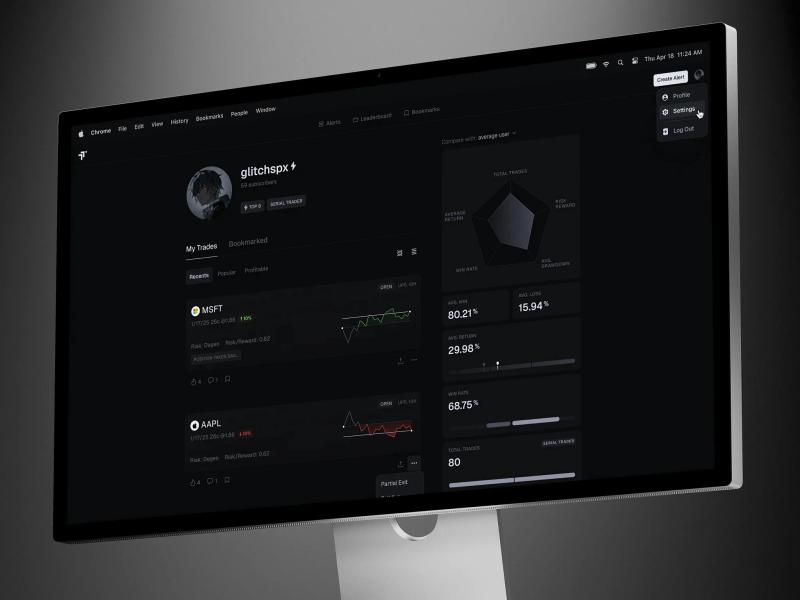
If you’ve ever wondered how to turn an idea into a cloud-based software service, this guide is for you. SaaS applications have transformed the way businesses operate, and understanding how to create one is essential for modern software teams. SaaS solutions have replaced traditional software installations, offering scalable, accessible, and cost-effective ways to deliver value to users.
Why SaaS Matters
Traditional software came with headaches: license keys, installations, updates, and compatibility issues. SaaS flipped that model. Your software lives in the cloud, accessible from anywhere, and updates automatically. For users, it’s convenient. For developers and founders, it’s scalable and predictable.
Look at the examples around you: Salesforce changed customer management forever, Slack streamlined team communication, Zoom made remote collaboration effortless, and Shopify enabled anyone to launch an online store. They all solved real problems elegantly, and their users keep coming back because the software works reliably.
Step 1: Market Research and Idea Validation
Before writing a single line of code, understand who you’re building for:
Target audience: Be specific. Learn what frustrates them, which tools they already use, and what’s missing.
Competitor analysis: Identify gaps and pain points in existing solutions. Copying won’t help; understanding the shortcomings will.
Product discovery: Test your idea early. Surveys, mockups, or landing pages provide far more insight than coding blind.
Rule of thumb: Validate before building. The best SaaS products start with a deep understanding of the problem they solve.
Step 2: Defining Features and Requirements
Once you know your users, decide what your product does:
Core features: Logins, payments, dashboards—without these, you don’t have a product.
Nice-to-haves: Analytics, integrations, AI-assisted features—add them later.
A focused MVP (minimum viable product) lets you learn from real users quickly. For inspiration, check out this e-commerce admin dashboard design that balances essentials with usability.
Step 3: Choosing Tech Stack and Architecture
Technology choices matter, but overthinking can stall progress. Consider:
Backend: Python, Node.js, Ruby on Rails—pick what your team knows.
Frontend: React, Vue, Angular—again, familiarity matters more than hype.
Database: PostgreSQL, MongoDB, etc., depending on your needs.
Architecture: Multi-tenant (cheaper, easier to scale) vs. single-tenant (safer, more expensive).
The goal is a reliable, maintainable setup that grows with your users.
Step 4: Building the MVP
Your MVP is not a polished product—it’s a learning tool:
Focus on core functionality: landing page, signup flow, basic dashboard.
Use agile development: build small, ship fast, gather feedback.
Treat every user interaction as data: learn quickly, iterate faster.
Step 5: Iteration and Scaling
Launching your MVP is just the beginning. Real growth requires:
Listening to users: Analytics show what happens; conversations explain why.
Small, continuous improvements: Don’t rely on one big release. Optimize signup flows, speed, and essential integrations.
Scaling the team: Add PMs, QA, and customer success gradually to support growth.
Remember: recurring costs—servers, support, marketing—don’t disappear after launch. Plan for them.
SaaS Development Considerations
Migrating Existing Applications: If you’re transforming a desktop or on-prem tool to SaaS, you’ll gain recurring revenue and accessibility, but expect re-engineering, user resistance, and data migration challenges. Adobe’s shift to Creative Cloud illustrates both pain and payoff.
Feature Prioritization: Use a simple matrix:
Must-haves: Essential features to deliver value.
Should-haves: Enhancements that improve experience.
Nice-to-haves: Shiny extras for future updates.
AI can add value, but only where it improves user experience—recommendations, automation, predictive analytics.
Security and Compliance: Trust is non-negotiable. Use encryption, SSL/TLS, and comply with GDPR, HIPAA, or SOC 2 as required. Enterprises won’t adopt software they can’t trust.
Cost Considerations
The cost of creating a SaaS product depends on complexity, features, and team size. MVPs are cheaper; scaling with dashboards, analytics, or AI increases expenses. Decide early whether to build in-house or outsource—control vs. cost savings.
Common Mistakes to Avoid
Underestimating time and budget: Even small MVPs take months.
Feature overload at launch: Start simple, iterate fast.
Neglecting security and compliance: Cutting corners here can sink a product.
Wrapping Up
Building a SaaS product is a marathon: you’re constructing both the track and the runner simultaneously. Key takeaways:
Validate ideas before coding.
Start with a simple, functional MVP.
Pick scalable, maintainable tech.
Iterate based on real feedback.
Prioritize trust through security and compliance.
Finally, invest in your core problem first. Solve it well, and everything else falls into place. If you want to dig deeper into backend development practices for SaaS, Python development expertise will give you a reliable foundation.
Post Your Ad Here
Comments