How to Build a Web App in 2025 Without Losing Focus
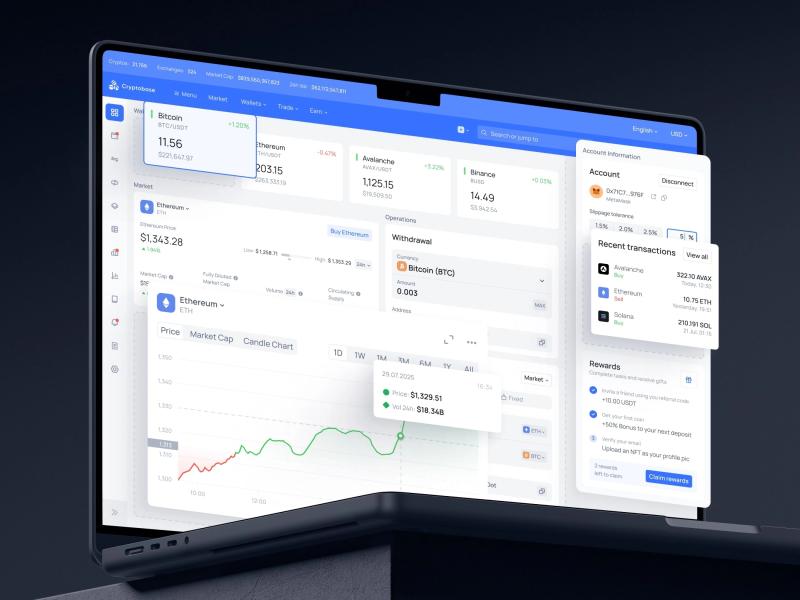 You’ve got an idea for a web app. That’s exciting—and overwhelming. Whether it’s a SaaS platform, a simple customer portal, or an internal dashboard, the challenge is always the same: where to begin.
Let’s keep this simple. No jargon overload, no endless tech debates. (And if you’d like to see where your app could fit in the bigger SaaS market, there’s plenty of room to explore later.)
Start With the Goal
Before picking a framework or tool, get clear on what you’re building:
-
Internal tools: Prioritize speed and cost. No-code platforms may get you to “done” faster than hiring a team.
-
Customer-facing SaaS: This is where scalability and security matter. You’ll need engineers who can plan for growth.
-
Customer portals: Straightforward in theory, but integrating with billing, CRMs, and logistics can be complex.
Once you know the “why,” choosing the “how” gets easier.
Choosing a Tech Stack
There’s no one “best” stack—just trade-offs:
-
Ruby on Rails: Reliable and battle-tested. Great for SaaS MVPs, less ideal for massive real-time systems.
-
Python (Django, Flask, FastAPI): Flexible, clear, and great for data-heavy apps. Can be overkill for smaller projects.
-
Node.js: Ideal for real-time features like chat or collaboration. A single language front to back can simplify development.
-
No-code tools: Perfect for validating ideas quickly, but not built for large-scale production.
-
PWAs: Web apps that feel like native apps. Excellent for Android, more limited on iOS.
And if your project’s scope expands beyond the web, custom mobile development may be worth considering early on.
Budget Expectations
Every project is different, but here’s a rough guide:
-
No-code MVP: $3k–$25k.
-
Custom mid-scale app: $50k–$150k.
-
Enterprise-grade solution: $250k and up.
Your budget will scale with complexity, integrations, and—most importantly—how often requirements change mid-project.
Timelines
A realistic delivery schedule:
-
No-code MVP: 2–6 weeks.
-
Custom MVP: 6–14 weeks.
-
Enterprise platform: 4–9+ months.
The biggest cause of delays isn’t the technology—it’s slow approvals, shifting priorities, and unclear requirements.
Picking the Right Team
A well-chosen team matters more than your stack. Look for partners who:
-
Have shipped similar projects.
-
Communicate clearly and consistently.
-
They can explain their decisions in practical terms.
-
They offer milestone-based payments for transparency.
Good teams won’t just build your app; they’ll help you avoid costly mistakes.
Takeaways
Building a web app in 2025 doesn’t have to be overwhelming. Start small, validate early, and scale thoughtfully. The key is clarity: know your goals, choose the right approach, and partner with a team that treats your vision seriously.
And if you’re still deciding between web and mobile, explore mobile development options too—the gap between platforms is smaller than ever.
Post Your Ad Here
Comments