How to Fix Metal Shingle Roof Damage
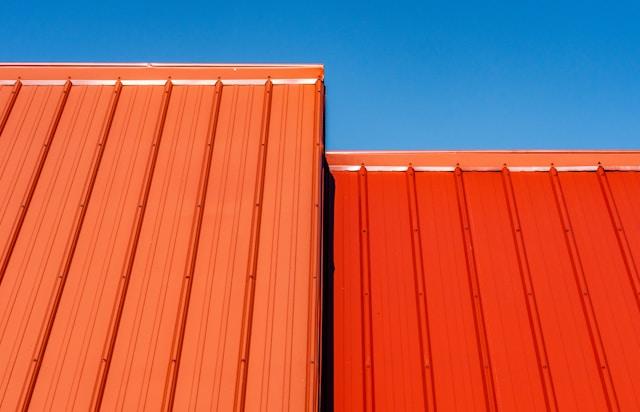
Fixing Metal Shingle Roof Damage: A Practical Guide for Homeowners
There's a reason metal shingle roofs are so popular. They look fantastic, last for decades, and can stand up to some of the toughest weather Mother Nature throws at them. But let's be realistic—they aren't indestructible. A severe hailstorm, a fallen tree branch, or even just years of thermal expansion can eventually lead to damage.
Seeing a dent or scratch on your roof can be disheartening. Your first thought might be about a costly replacement, but don't panic just yet. Many common types of metal shingle damage can be fixed without breaking the bank. While some minor fixes are within reach for a handy homeowner, significant issues often require the expertise found in professional residential roofing services to ensure a long-lasting and proper repair. This guide will walk you through how to assess the damage and what steps you can take to get your roof back in top shape.
First Things First: A Safe Assessment
Before you grab a ladder, your first priority is safety. Never get on a roof during or immediately after rain, or if it’s excessively windy.
Start your inspection from the ground using a pair of binoculars. Look for:
Scratches or Scuffs: These are often cosmetic but can become a problem if they penetrate the protective coating.
Dents: Usually caused by hail or falling debris.
Punctures or Tears: More serious damage that needs immediate attention.
Loose or Lifted Shingles: Often occur after high winds.
Damaged or Missing Fasteners: The screws that hold the shingles down can sometimes work their way loose.
If you are comfortable and it is safe to do so, you can perform a closer inspection from a securely placed ladder.
Tackling Common Metal Shingle Repairs
Once you’ve identified the problem, you can decide on the best course of action.
For Minor Scratches and Scuffs
A deep scratch that exposes the underlying metal is more than a cosmetic flaw; it's an invitation for rust. Thankfully, this is one of the easiest DIY fixes.
Clean the Area: Use a mild detergent and a soft cloth to gently clean the scratched area. Rinse thoroughly and allow it to dry completely.
Apply Touch-Up Paint: Obtain a touch-up paint kit from your roof’s manufacturer. These are formulated to match your roof's color and protective qualities perfectly. Apply a thin, even coat over the scratch using the supplied applicator or a small artist's brush.
For Dents and Dings
Most small dents from hail are purely cosmetic and won't affect your roof's performance or lifespan. In many cases, the best course of action is to simply leave them be. Attempting to pull a small dent out can sometimes crack the paint finish, creating a bigger problem than you started with.
For larger, more obvious dents, there are dent-pulling tools available. However, this is a delicate process. If you’re not confident, it’s best to consult a professional who can assess whether a repair is necessary or if a single shingle replacement is the better option.
For Punctures and Small Holes
A puncture is a serious issue that can lead to significant water damage inside your home. It needs to be addressed quickly.
Clean and Prep: Thoroughly clean the area around the hole to ensure there is no dirt or debris. You may need to use a wire brush gently to scuff the surface immediately around the puncture to help the sealant adhere.
Apply Sealant: Use a high-quality roofing sealant or cement designed specifically for metal roofs. The experts at This Old House provide a great overview of the types of sealants available. Apply the sealant liberally into and over the hole, feathering it out at the edges to create a waterproof seal.
Use a Patch (for larger holes): For a hole larger than a nail head, you may need a patch. Apply a layer of sealant, press a small piece of metal flashing or repair fabric into it, and then apply another layer of sealant over the top of the patch.
For Loose Shingles or Fasteners
Over time, the expansion and contraction of the metal can cause fasteners to loosen.
Gently Lift: Carefully use a pry bar to lift the shingle just enough to access the loose fastener.
Replace the Fastener: Remove the old screw. Replace it with a new, slightly larger screw designed for metal roofing—these have a rubber washer at the base to create a watertight seal. Drive the new screw into a fresh spot in the wood sheathing if possible.
Reseal: Apply a dab of your metal roof sealant over the screw head for an extra layer of protection.
Knowing When to Call a Professional
DIY repairs are great for minor issues, but it’s crucial to know your limits. It’s time to call in a professional roofing contractor if you encounter:
Widespread damage across multiple sections of your roof.
Any damage you can’t safely access or are uncomfortable repairing yourself.
Large punctures or tears.
Signs of a leak inside your home, such as water stains on the ceiling.
Damage that might be covered by your homeowner’s insurance policy.
Ultimately, a metal shingle roof is a significant investment in your home's protection and curb appeal. Taking proactive steps to maintain it and address damage promptly will ensure it lasts for decades to come. For more tips on keeping your roof in prime condition, the Metal Roofing Alliance offers a helpful maintenance checklist that every homeowner can use.
Post Your Ad Here