Event Staffing Solutions That Support Crowd Flow and Safety
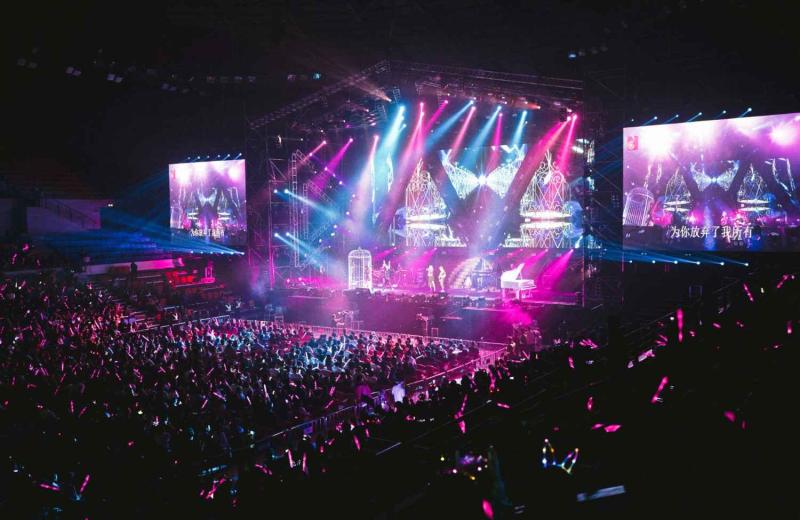
Live events—particularly concerts, festivals, and brand activations—thrive on energy. The collective excitement of thousands of attendees fuels the atmosphere and creates unforgettable experiences. However, with heightened energy comes increased responsibility. Managing large, enthusiastic crowds requires strategic coordination, proactive planning, and a keen understanding of group dynamics. Without the right systems in place, even the best events can quickly become disorganized or unsafe.
From the entry point to the final encore, successful crowd management hinges on behind-the-scenes precision. When executed well, it keeps the experience both thrilling and safe—not only for attendees but also for performers, staff, and brand partners.
Setting the Tone with Strategic Venue Mapping
Before a single guest arrives, effective crowd control begins with the layout of the event space. Mapping out key zones such as entry gates, restrooms, merchandise booths, and performance areas ensures that foot traffic flows naturally. This reduces bottlenecks, lowers the risk of injury, and improves the overall event rhythm. Placement decisions should account for not only convenience but also safety.
Creating intentional pathways and directional signage helps distribute the crowd evenly, especially in outdoor venues with open layouts. When people know where they’re going, they move with more confidence and less tension. This type of planning eliminates confusion and allows staff to maintain oversight without feeling overwhelmed.
Training Teams to Respond with Agility and Calm
The front line of any high-energy event is its personnel. Staff members are the first to notice signs of crowd stress or discomfort. That’s why training is a crucial investment. Staff should be equipped with both logistical knowledge—such as crowd capacity, emergency routes, and vendor placement—and interpersonal skills like conflict resolution and active listening.
Crowds tend to mirror the energy of authority figures. If a staff member reacts to stress with panic or indecision, the mood of the group can shift dramatically. On the other hand, calm and competent team members can de-escalate minor tensions before they escalate. When staff are well-prepared, they become pillars of order in an otherwise high-voltage environment.
Keeping Communication Channels Open and Responsive
Another important aspect of crowd management is real-time communication. The best-planned events still face variables: changing weather, sudden surges, or last-minute schedule shifts. A reliable communication system among team members ensures that updates are shared quickly and implemented efficiently.
Using walkie-talkies, mobile team apps, or on-site coordination hubs keeps everyone connected. This is especially vital when coordinating security efforts, updating emergency procedures, or responding to a developing concern. Staff who are informed and empowered can adjust quickly without adding unnecessary stress to the event atmosphere.
Balancing Security with Attendee Experience
Security presence is essential, but it shouldn’t overshadow the enjoyment of the event. Instead of appearing as enforcers, trained staff should aim to serve as friendly guides who happen to carry authority. When attendees feel supported rather than policed, they are more likely to respect boundaries and follow directions.
This balance is especially important at concerts and festivals where emotions and adrenaline run high. A relaxed yet watchful approach to managing entry lines, wristband checks, or designated zones helps preserve the excitement while maintaining order. The tone staff set has a significant impact on how the crowd behaves in return.
In the middle of this delicate balancing act, event staffing services play a critical role. These services connect organizers with trained personnel who know how to navigate complex environments and manage large groups without sacrificing the vibe of the event. When staffing is approached with intention and professionalism, it becomes the backbone of successful crowd control.
Responding Proactively to Environmental Triggers
Sometimes it’s the smallest details that can affect crowd energy: a water station running dry, restrooms being hard to find, or a long delay between acts. These stressors, when unattended, can cause agitation or restlessness among attendees. Anticipating basic crowd needs is just as important as securing the main stage or arranging exits.
Proactive event teams continually monitor environmental factors and adapt their approach as needed. Whether that means opening an extra exit gate, communicating a delay clearly, or redirecting foot traffic to ease congestion, swift responses make a huge difference in the overall experience.
Crowds are living, moving entities—what works for one moment may need to be adjusted for the next. Having an agile mindset keeps the event running smoothly even when conditions shift.
Creating a Foundation for Future Events
The lessons learned from managing high-energy crowds feed directly into future planning. Post-event reviews that examine staff feedback, crowd movement patterns, and response times help identify opportunities for improvement. This continuous cycle of evaluation not only refines procedures but also builds a stronger, safer event culture over time.
Event organizers who take crowd control seriously tend to see longer-term success. Their reputation for hosting smooth, enjoyable, and safe events attracts both partners and attendees. When guests leave feeling exhilarated rather than overwhelmed, they’re more likely to return and recommend the experience to others.
By blending thoughtful planning, skilled staffing, and responsive leadership, event organizers can turn high-energy crowds into powerful communities rather than unpredictable mobs.
Post Your Ad Here
Comments