Sanjeev Jaiswals New Cluster Policy Kicks Off: 45,000 New Homes to Redefine Mumbai's Urban Core
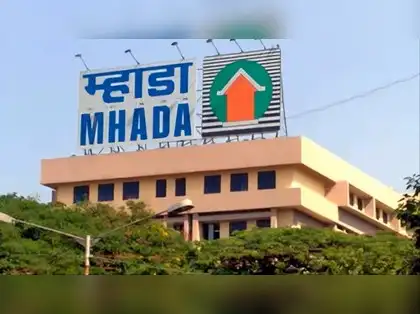
In a bold move to reshape Mumbai’s aging cityscape, the Maharashtra Housing and Area Development Authority (MHADA) has officially launched its new Cluster Redevelopment Policy, with an ambitious goal of constructing 45,000 new homes across seven key layouts. This city-transforming plan is being spearheaded by IAS Sanjeev Jaiswal, Vice President and CEO of MHADA, as a major step under the state’s MMR 2030 Housing Vision.
A Plan for the People, Built on Modern Policies
Mumbai has long faced challenges from old and unsafe buildings, lack of space, and overcrowded neighborhoods. The new cluster redevelopment model aims to change this. Instead of rebuilding one building at a time, entire layouts will now be redeveloped together, ensuring better planning, open spaces, and improved civic services like roads, drainage, and water supply.
Speaking about the initiative, IAS Sanjeev Jaiswal said,
“This is not just about creating buildings—it’s about rebuilding lives. Cluster redevelopment allows us to offer better homes, modern infrastructure, and long-term stability to Mumbai’s residents.”
Target Areas: From Goregaon to Parel
The policy will first focus on seven major MHADA layouts:
- Motilal Nagar, Goregaon
- Abhyudaya Nagar, Parel
- Adarsh Nagar, Worli
- Bandra Reclamation
- GTB Nagar, Sion
- Clusters of cessed buildings in Dadar, Mahim, and Prabhadevi
These areas, currently housing structurally weak or underutilized buildings, will now see redevelopment on a community scale, bringing new homes with modern amenities, green areas, and safer living conditions.
Transparent, Trackable, and Tech-Driven
In a major digital upgrade, MHADA will use GPS mapping, phase-wise project tracking, and digital document lockers to ensure transparency at every stage. Residents will be able to access key documents, layout plans, and status updates online.
Key Tech Features:
- Live tracking of redevelopment progress
- Access to lease agreements and approvals online
- Updates on society-wise status of construction and possession
Backed by Legal Reforms and Urban Planning
The cluster model is aligned with the Development Control and Promotion Regulation (DCPR) 2034, offering extra Floor Space Index (FSI) to make projects financially viable. Incentives under regulations like 33(7) and 33(9) will further encourage faster and more inclusive redevelopment.
At the same time, the entire redevelopment process will follow the new guidelines under Section 79A of the MHADA Act, ensuring time-bound approvals and coordination between landlords, tenants, and developers.
Turning Lessons into Action
The Patra Chawl delay in Goregaon, one of the state’s most talked-about redevelopment setbacks, has served as a learning experience. Under Mr. Jaiswal’s leadership, MHADA has introduced checks and policies to prevent such delays by enforcing unified cluster permissions and reducing overlaps between contractors.
Looking Ahead: Homes with Dignity
For the 45,000 families who stand to benefit, this is more than a housing project — it’s a promise. A promise of safety, of dignity, and of a better life in a city they call home.
With a clear vision, updated policies, and citizen-first thinking, IAS Sanjeev Jaiswal and MHADA are working to ensure that Mumbai not only grows, but grows smarter, stronger, and more inclusive.
Post Your Ad Here