Everything You Need to Know About Facials
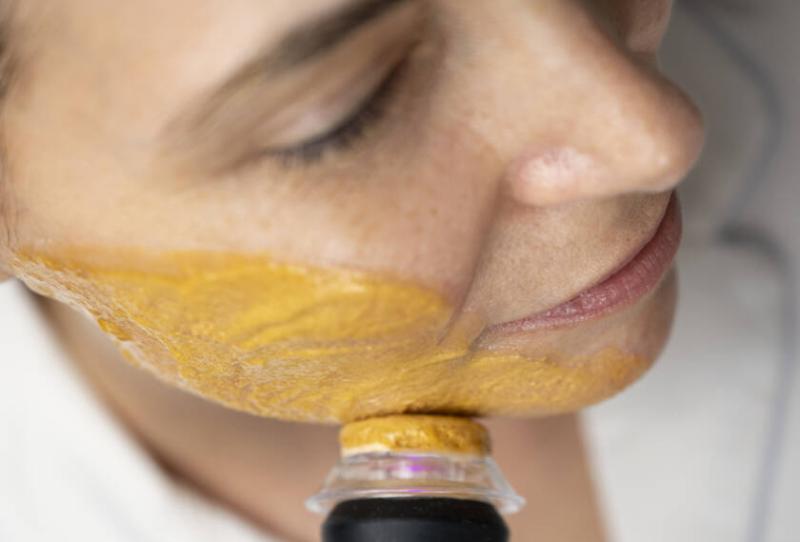
In this article, we will research everything you need to know about facials—what they are, the types available, their benefits, how often to get them, and tips for choosing the right facial for your skin type.
Facials have also been synonymous with extravagance and self-indulgence, although in the past couple of years, they have become accepted as science-based skincare procedures —a fact owed to the growth and popularity of the skincare industry and the science behind it. Facials today are no longer seen as a simple form of relaxation, following the increasing number of people who know the importance of maintaining healthy skin from a long-term perspective.
What Is a Facial?
Facials Clifton VA treatment is designed to improve the appearance and health of the skin. It involves cleansing, exfoliation, extraction, massage, and the use of specific masks or serums. Facial treatments are tailor-made to suit any skin condition, and both men and women are eligible for such treatments.
Why Facials Are More Than Just a Luxury
In addition to their relaxing effect, facials also have practical therapeutic and corrective benefits. They support skin detoxification, motion, and cell regeneration. Periodic, steady manipulations can help postpone the signs of aging, restore skin hydration, and promote a steady, youthful radiance.
How Facials Work on a Cellular Level
Facials go beyond the skin’s surface by stimulating blood flow, increasing collagen production, and enhancing lymphatic drainage. They support faster cell turnover and enable active ingredients to penetrate more deeply, delivering visible and long-lasting improvements to skin health.
Common Types of Facials and Their Benefits
Different skin concerns require different facials. Some popular options include:
Classic Facial: Best for general maintenance
Acne Facial: Targets breakouts and oily skin
Hydrafacial: Deeply cleanses and hydrates
Anti-aging Facial: Boosts elasticity and reduces wrinkles
Oxygen Facial: Brightens and refreshes skin instantly
Choosing the right facial depends on your skin type and current condition.
Best Facial for Dry Skin
Dry skin needs moisture-rich facials that restore the skin barrier. Treatments often include hyaluronic acid, creamy masks, and soothing ingredients like aloe vera. These facials leave the skin plump, soft, and deeply hydrated while minimizing flakiness and tightness.
Best Facial for Oily or Acne-Prone Skin
Facials for oily skin use deep cleansing methods, salicylic acid, and antibacterial treatments. They unclog pores, reduce oil production, and prevent future breakouts. High-frequency or blue light therapy may also be used to kill acne-causing bacteria effectively.
Facials for Sensitive Skin
Sensitive skin needs calming and gentle facials. Estheticians use fragrance-free products and mild exfoliants, such as enzyme-based or oatmeal-based scrubs. These facials reduce redness, soothe irritation, and strengthen the skin’s protective barrier without triggering inflammation.
Anti-Aging Facials and Their Role
Anti-aging facials target fine lines, sagging, and dullness. They typically include:
Collagen-boosting serums
LED light therapy
Firming masks
Peptides and antioxidants
These treatments enhance elasticity and stimulate the growth of new cells for a youthful-looking appearance.
Hydrafacial: A Modern Skincare Favorite
Hydrafacials are popular for their three-step process: cleansing, exfoliating, and hydrating. Using a vacuum-based tool, it removes impurities and infuses nourishing serums. It’s suitable for all skin types and delivers instant glow with zero downtime.
How Often Should You Get a Facial?
The ideal frequency depends on your skin type and goals:
Oily skin: Every 2–3 weeks
Normal/Combination: Monthly
Dry/Sensitive: Every 4–6 weeks
Mature skin: Every 3–4 weeks
Regular facials maintain results and prevent future skin concerns.
What to Expect During a Facial
A typical facial lasts 45–75 minutes and includes:
Skin consultation and analysis
Deep cleansing and exfoliation
Pore extractions (if needed)
Facial massage
Customized mask and moisturizer
You’ll leave with refreshed, glowing skin and professional skincare advice.
Pre-Facial Preparation Tips
Prepare your skin for maximum results:
Avoid exfoliating 2 days before
Skip makeup on the day of treatment
Don’t wax or shave before your appointment
Share any allergies or medications with your esthetician
These steps ensure your skin reacts positively during and after treatment.
Aftercare: What to Do Post-Facial
Proper aftercare enhances and extends the results:
Avoid direct sunlight for 48 hours
Don’t apply makeup for 24 hours
Use gentle skincare products
Stay hydrated and apply SPF
Following aftercare helps your skin heal and maintain its glow.
Are DIY Facials Worth It?
Best Facial in Fairfax VA are useful between professional visits, but they lack deep cleansing and expert evaluation. At home, you can:
Cleanse
Exfoliate gently
Apply a hydrating or purifying mask
Moisturize
Avoid extractions at home to prevent scarring or infection.
The Role of Professional Estheticians
Licensed estheticians assess your skin condition and customize treatments accordingly. They have access to high-grade products and tools, ensuring safe and effective results. Trusting a professional also reduces the risk of adverse skin reactions.
Ingredients Commonly Used in Facials
Professional facials often include:
Hyaluronic acid for hydration
Vitamin C for brightening
Retinol for anti-aging
Clay and charcoal for detoxifying
Peptides to firm and tighten skin
Each ingredient is carefully selected to address specific skin concerns.
Who Should Avoid Certain Facials?
People with specific conditions should be cautious:
Active eczema or psoriasis
Severe acne or open wounds
Recent chemical peels or sunburn
Pregnant women (certain treatments not advised)
Consult your dermatologist or esthetician if unsure.
Why Your Skin Needs Change Year-Round
Your skin’s needs change with the seasons. In winter, it may require deep hydration and barrier repair, while in summer, oil control and sun damage prevention take priority. Seasonal facials utilize targeted ingredients to combat environmental effects—think vitamin C in the summer and ceramides in the winter. Adjusting your facial treatments with the seasons keeps your skin resilient, radiant, and well-protected year-round.
The Psychological Benefits of Facials
Facials don’t just rejuvenate your skin—they refresh your mind. The relaxing touch, soothing music, and therapeutic environment lower cortisol levels, reduce anxiety, and promote emotional well-being. This mental reset can improve sleep, enhance mood, and contribute to overall self-care. In a busy world, a facial offers both skin revival and stress relief in one powerful session.
Final Thoughts
Facials are a powerful tool for maintaining healthy, vibrant skin. By selecting the right Tanning Salon Falls Church VA, and tanning at proper intervals, you can address your unique skin concerns and enjoy long-lasting results. With a consistent skincare routine and professional guidance, facials can help you glow from the inside out, naturally and confidently.
Post Your Ad Here
Comments