Starting Your First Garden with the Right Tools and Techniques
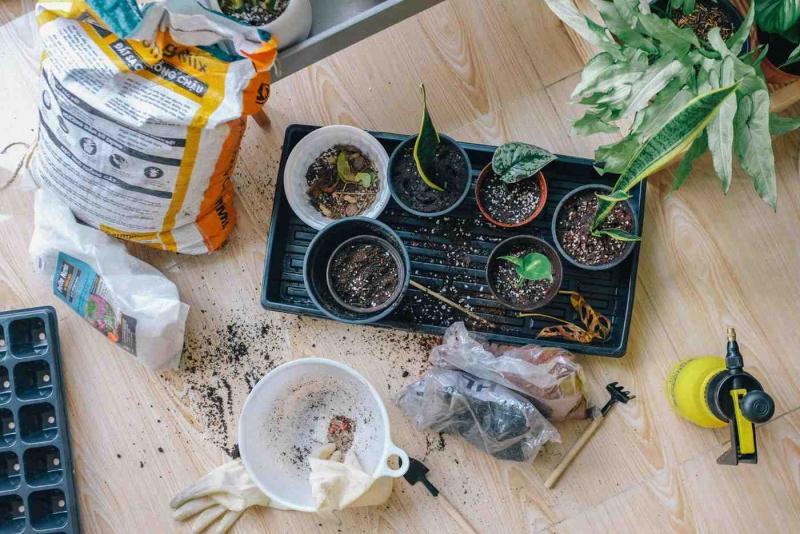
Gardening is a rewarding activity that brings beauty, relaxation, and even fresh produce to your home. For beginners, starting a garden can feel overwhelming, but with the right tools and techniques, anyone can cultivate a thriving outdoor space. Learning the basics of soil preparation, proper watering, and essential gardening tools will set the foundation for a successful gardening journey. Whether growing flowers, vegetables, or herbs, a well-planned approach ensures a flourishing and enjoyable experience.
Choosing the Right Location for Your Garden
A successful garden starts with the right location. Sunlight is one of the most important factors to consider, as most plants require at least six hours of direct sunlight each day. A well-drained area with good soil quality will also make a significant difference in plant growth. Beginners should start with a small plot or raised garden bed before expanding to larger areas.
Preparing the Soil for Healthy Growth
Healthy plants begin with nutrient-rich soil. Before planting, it’s important to test the soil to determine its pH levels and nutrient content. Adding organic matter such as compost or mulch improves soil fertility and enhances moisture retention. Loose, well-aerated soil encourages strong root development, ensuring that plants have the best possible start.
Selecting the Right Gardening Tools
Having the right tools makes gardening easier and more enjoyable. A sturdy trowel is essential for digging small holes, while a hand rake helps with aerating and leveling the soil. Pruners are useful for trimming plants and removing dead leaves, while a garden hoe helps break up hard soil and remove weeds. A reliable hose or watering system, such as those offered by Hoselink USA, ensures plants receive the right amount of moisture without unnecessary waste.
Watering Techniques for Healthy Plants
Proper watering techniques are key to plant health. Overwatering can lead to root rot, while underwatering may cause plants to wither. Deep watering, which allows moisture to reach the roots, is often better than frequent shallow watering. Early morning is the best time to water, as it prevents evaporation and allows plants to absorb moisture before the heat of the day.
Choosing Plants That Thrive in Your Climate
Selecting plants suited to the local climate increases the chances of success. Native plants and drought-resistant varieties require less maintenance and adapt well to their surroundings. Beginners should start with easy-to-grow plants such as herbs, lettuce, tomatoes, or marigolds, which offer quick results and encourage confidence in gardening skills.
Maintaining a Garden for Long-Term Success
Regular maintenance is essential for a thriving garden. Weeding prevents unwanted plants from competing for nutrients, while mulching helps retain moisture and regulate soil temperature. Pruning and deadheading flowers encourage new growth and prevent plants from becoming overgrown. Observing plants for signs of disease or pests allows for early intervention and healthier plants overall.
Enjoying the Benefits of Gardening
Gardening offers numerous benefits beyond just growing plants. It provides a sense of accomplishment, promotes relaxation, and contributes to a healthier lifestyle. Whether growing flowers, vegetables, or herbs, the process of nurturing a garden connects people with nature and fosters a rewarding hobby.
Starting a garden doesn’t have to be complicated. With the right tools, proper planning, and a little patience, beginners can develop a green thumb and enjoy the beauty and satisfaction of a flourishing garden.
Post Your Ad Here
Comments