Clinicians Are Leaving Their Jobs… How Can We Get Them To Stay
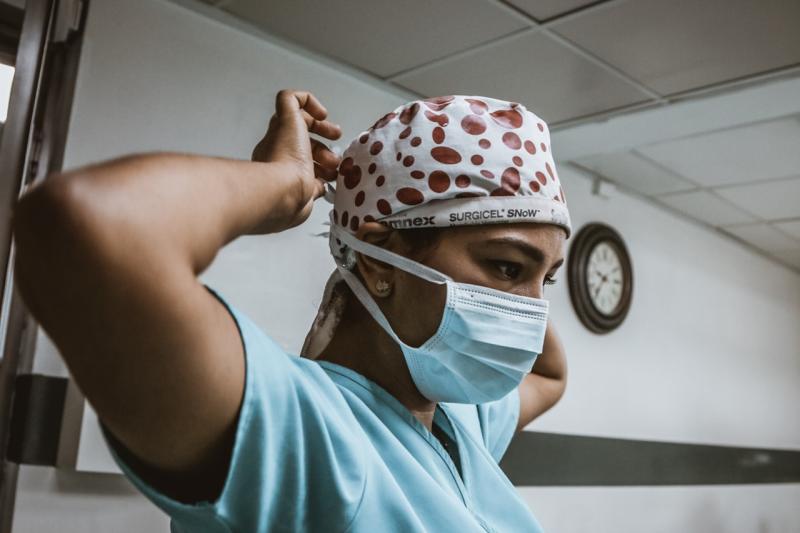
Imagine spending years in medical school, dedicating yourself to healing others, only to find yourself exhausted, undervalued, and questioning whether you can continue in the profession you once loved. That’s the reality for many clinicians today. Healthcare workers are expected to be resilient—pulling long shifts, managing an ever-growing patient load, and keeping up with the relentless pace of medicine. But even the most passionate professionals have their limits.
Turnover is inevitable in any industry, but in healthcare, it’s happening at an alarming rate. Physicians, nurses, and other medical professionals are leaving their jobs—some temporarily, some for good—often due to burnout, overwork, and a lack of support. Instead of seeing this as a failure, healthcare leaders need to recognize it as a wake-up call. The real challenge isn’t just stopping turnover; it’s creating a workplace that clinicians want to stay in.
“Just because a clinician leaves does not mean this will last forever. The healthcare industry can be a lot of stress for people, so it’s okay if employees need to take a break, and organizations should support this,” says DoorSpace CEO Sarah M. Worthy.
Why Clinicians Are Leaving
Burnout and Emotional Exhaustion
The healthcare field demands long hours, high-stakes decision-making, and emotional investment in patient care. Over time, this takes a toll. Clinicians often experience compassion fatigue, a state of emotional and physical exhaustion caused by prolonged exposure to suffering. Without proper support, this can lead to disengagement, depression, and eventually, a desire to leave the profession entirely.Excessive Workloads and Staffing Shortages
Many hospitals and clinics are understaffed, forcing healthcare workers to take on more than they can handle. The result? Longer hours, heavier caseloads, and increased stress. Instead of feeling like they’re providing quality care, many clinicians feel like they’re constantly trying to catch up—leading to frustration and eventual burnout.Lack of Autonomy and Bureaucratic Pressures
Clinicians enter medicine to help people, but many feel bogged down by administrative tasks, insurance battles, and electronic health record (EHR) documentation. The focus shifts from patient care to paperwork, making the job feel less fulfilling and more like a never-ending stream of red tape.Work-Life Imbalance
Unlike other professions, healthcare doesn’t stop at 5 PM. Many clinicians sacrifice time with their families, personal health, and hobbies to meet job demands. Without a sense of balance, exhaustion sets in, and the thought of walking away from medicine becomes more appealing.
While turnover is natural, organizations can take steps to create an environment where clinicians feel valued and supported—reducing unnecessary departures and fostering long-term commitment.
“The key to getting people to come back is offering support if they decide to make this change, and offering an environment that will accept them if they want to come back. It’s inevitable that healthcare workers will switch jobs or careers at some point in their lives, but it’s also likely they will come back to do what they love, which is taking care of people. This is just how the cycle works, and healthcare leaders need to adapt to it in a positive way,” Worthy says.
Healthcare workers need the same level of care and compassion they provide to patients. Hospitals and clinics should offer mental health resources, peer support groups, and regular check-ins to ensure clinicians aren’t suffering in silence. A culture that normalizes seeking help can make a world of difference.
Turnover isn’t the enemy—it’s a sign that something needs to change. Clinicians aren’t leaving because they don’t care; they’re leaving because they feel overwhelmed, unsupported, and undervalued. Healthcare organizations that acknowledge this reality and invest in creating a healthier work environment will not only retain their best employees but also improve patient care.
After all, a system that cares for its caregivers is a system that truly works.
Image by SJ Objio
Post Your Ad Here
Comments