Sports Scores API: Key Features to Look for in 2025
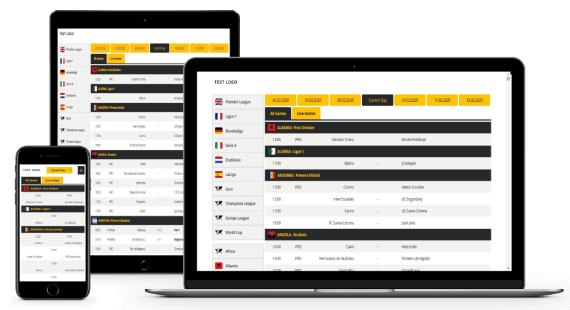
The following article will describe the key features to prioritize when selecting a Sports Scores API in 2025.
In today’s data-driven sports initiative, real-time access to sports scores and analytics is essential for companies, developers, and fans. A dedicated Sports Scores API is required to create a mobile app, operate a sports blog, or create a fantasy league venue. As we enter 2025, the topography of Sports Scores APIs will continue to grow, presenting new abilities and attributes.
1. Complete Sports Coverage
Numerous Sports and Leagues: The API should cover a wide range of sports, from famous ones like football, basketball, and baseball to niche sports like cricket, rugby, and esports.
Global Reach: Peek for APIs with global leagues and games, catering to a worldwide audience.
Historical Data: Access to extensive historical data for analysis and comparison.
2. Real-Time Updates
Live Scores: Providing accurate and instant live score updates is essential.
Game Events: Coverage of in-game events such as goals, fouls, substitutions, and player stats.
Low Latency: APIs like Football API with minimal delay ensure users get real-time updates without lag.
Match Alerts: Notifications for key game moments, like red cards or overtime starts.
3. Data Depth and Granularity
Player Statistics: Comprehensive data on individual player performance, including goals, assists, minutes played, and more.
Team Statistics: Detailed team-level data, such as possession, shots on target, and pass accuracy.
Advanced Analytics: Support for metrics like expected goals (xG), player heatmaps, and tactical formations.
4. Customization Options
Filterable Data: Ability to filter data by sport, league, team, or specific players.
Custom Widgets: APIs that offer customizable widgets for live scoreboards and leaderboards.
Localization: Support for different languages, time zones, and units (e.g., metric vs. imperial).
5. Ease of Integration
Developer-Friendly Documentation: Look for APIs with clear, comprehensive documentation and code samples.
SDKs and Libraries: Availability of SDKs in popular programming languages like Python, JavaScript, and Swift.
Quick Integration: Features like API key management and sample requests for rapid setup.
6. Reliability and Scalability
High Uptime: APIs with guaranteed uptime and robust server infrastructure.
Scalability: Ability to handle spikes in demand, especially during major sporting events.
Backup Data Sources: Redundant data sources to ensure reliability in case of outages.
7. Rich Media Support
Images and Videos: APIs with rich media content, such as player photos, team logos, and highlight videos.
Live Streams: Integration with live streaming services for enhanced user engagement.
Interactive Visualizations: Support for charts, graphs, and other interactive elements.
8. Advanced Features for Engagement
Fantasy Sports Support: Features tailored to fantasy leagues include draft data and player projections.
Betting Integration: APIs with betting odds, line changes, and payout calculations.
Gamification: Tools to create quizzes, polls, and other interactive content to engage users.
9. Data Security and Privacy
Encrypted Data Transmission: Ensure the API uses HTTPS and other encryption protocols.
Access Control: Support for role-based access and API key management.
Compliance: Adherence to relevant data privacy regulations, such as GDPR or CCPA.
10. Cost and Licensing
Flexible Pricing: Look for APIs with multiple pricing tiers, including free or pay-as-you-go options.
Transparent Costs: Ensure there are no hidden fees for data usage or extra features.
Usage Caps: Understand the limits on requests, concurrent connections, and rate throttling.
11. Community and Support
Customer Support: 24/7 customer support is available through chat, email, or phone.
Community Forums: Active developer communities where users can share tips and solutions.
Regular Updates: APIs that are actively maintained and updated to include new features and sports.
12. AI and Predictive Analytics
Machine Learning Insights: APIs like Football Statistics API that use AI to offer predictive analytics, such as match outcomes or player performance.
Sentiment Analysis: Features that analyze fan sentiment from social media or live events.
Personalization: AI-driven recommendations tailored to individual user preferences.
13. Multi-Platform Support
Mobile Optimization: APIs optimized for mobile applications, ensuring smooth performance on iOS and Android.
Cross-Platform Compatibility: Support for web, desktop, and wearable devices.
Offline Mode: Cached data options for limited connectivity scenarios.
14. Analytics and Reporting
Usage Metrics: Dashboards to monitor API usage and performance.
Custom Reports: Ability to generate custom reports for stakeholders or users.
Event Analysis: Tools for post-game analysis and recap generation.
15. Geolocation Features
Location-Based Data: Supports providing scores and events based on the user’s location.
Venue Details: APIs that include information on stadiums, arenas, and their capacities.
Local Time Adjustments: Automatic adjustment of event times to the user’s local time zone.
16. Social Media Integration
Shareable Content: Easy sharing of scores, stats, and highlights on social platforms.
Trending Events: APIs that highlight the most talked-about games or moments.
Fan Engagement: Tools for connecting fans through polls and discussion forums.
17. Multilingual Support
Global Language Options: APIs that translate event details in multiple languages.
Localized Team Names: Display team and player names in the user’s preferred language.
Region-Specific Content: Tailored data for specific regions or countries.
Cultural Adaptations: Features that reflect regional sports traditions and terminologies.
Final Words
Choosing the right Sports Scores API in 2025 requires focusing on features that enhance reliability, flexibility, and user engagement. With real-time updates, in-depth analytics, and cutting-edge AI capabilities, these APIs can transform how sports data is consumed and utilized. By prioritizing these key features, businesses and developers can deliver unparalleled user experiences and stay ahead in the competitive sports industry.
Post Your Ad Here
Comments