How can air conditioning make you sick
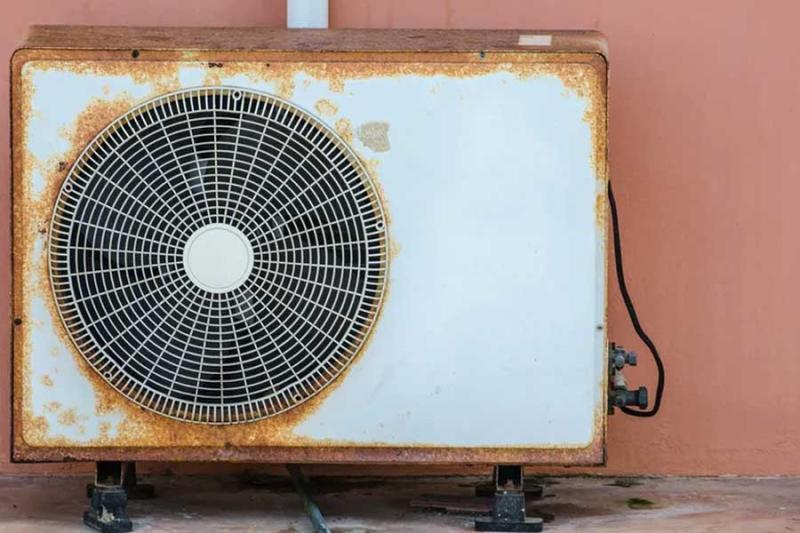
Air conditioning is one of those household essentials you don't really think about until it's not working. But can it actually make you sick? It's a question that pops up more often than you might expect. If you've ever stepped out of a hot summer day into an ice-cold room and found yourself sniffling later, you're not alone. Let's break down the connection between air conditioning and health, especially for families and kids.
Yes, air conditioning can impact your health, but not in the way you might think. The machine itself isn't to blame—it's how it's maintained and used. Air conditioners work by cooling the air and removing humidity, which can create a dry environment. For some people, that dryness can lead to irritated sinuses, dry skin, and itchy eyes. If the air conditioner isn't cleaned regularly, it can circulate dust, mold, and bacteria, which could potentially lead to respiratory issues.
After air conditioner installation, some people report feeling unwell. This can often be traced back to poor air quality during the installation process. Dust and debris stirred up can irritate the lungs. Additionally, if the system isn't calibrated correctly, it might cool the air too much, causing sudden temperature changes that can weaken your immune response.
Kids are often more sensitive to environmental changes than adults. Their developing immune systems mean they are more likely to experience stuffy noses, sore throats, or skin irritation in air-conditioned environments. This is particularly true if the system is blowing directly onto them while they sleep. If you've got little ones in the house, consider adjusting the vents or using a humidifier to keep the air from getting too dry.
Air conditioning itself doesn't spread illness, but if the filters aren't cleaned, they can recirculate germs. Imagine sneezing into a fan—it just spreads those germs around the room. The same goes for air conditioning systems. Regular maintenance and filter replacements can significantly reduce the risk of spreading colds and other airborne illnesses. If someone in your home is sick, keep the air conditioning on low to avoid circulating too many particles.
Keeping your air conditioning in top shape isn't just about staying cool—it's about protecting your family's health. Here are a few simple steps you can take:
Change the filters regularly – Dust and allergens build up fast. Replacing or cleaning filters at least once a month can prevent particles from spreading.
Use a humidifier – This adds moisture back into the air, preventing dry skin and respiratory discomfort.
Clean air ducts – Dust and mold can accumulate in the ducts, which can easily get blown into your living space.
Adjust the temperature – Don't set the air conditioning too cold. Keeping it at a moderate level reduces the risk of sudden chills.
Absolutely. Some air conditioning units come with built-in air purifiers or advanced filtration systems. These are great for families with allergies or respiratory conditions. If health is a major concern, consider a system that offers HEPA filters or UV light technology, which can kill bacteria and viruses as air passes through.
Mold is one of the biggest culprits when it comes to health problems related to air conditioning. Mold thrives in dark, damp areas, and the inside of an air conditioning unit can be a perfect breeding ground if it's not properly maintained. Mold spores blown through the vents can lead to coughing, sneezing, and even asthma flare-ups. The best way to prevent mold is to keep the unit dry and schedule regular inspections.
Air conditioning itself doesn't cause allergies, but it can worsen symptoms if allergens are present. Pollen, dust mites, and pet dander can get trapped in filters and circulated throughout the house. For allergy sufferers, this can be a nightmare. Regularly changing the filters and investing in high-quality air filters can keep allergens at bay.
Believe it or not, air conditioning can affect your mood and mental health. Overexposure to cold environments can lead to discomfort and irritability. Ever tried to work in an office that felt like a freezer? It's not fun. A well-balanced indoor climate helps maintain focus and reduces fatigue.
On the flip side, air conditioning can actually improve sleep quality. Cooler temperatures are known to help the body relax and enter deeper sleep stages. The key is moderation. Set the thermostat to a comfortable level—too cold, and you might wake up with a sore throat; too hot, and you won't sleep well at all.
Air conditioning is a lifesaver during hot summers, but it's essential to use it wisely. For families with kids, elderly members, or anyone with respiratory issues, keeping air conditioning systems clean and properly maintained can make a significant difference in overall health. By taking a few simple precautions, you can enjoy the comfort of air conditioning without worrying about the potential downsides.
Whether you're installing a new unit or maintaining an old one, prioritizing air quality is key. Think of your air conditioning system as part of your home's health toolkit—when it's taken care of, it takes care of you and your family.

Post Your Ad Here