Blue Light: The Good, the Bad & Its Impact on Your Health
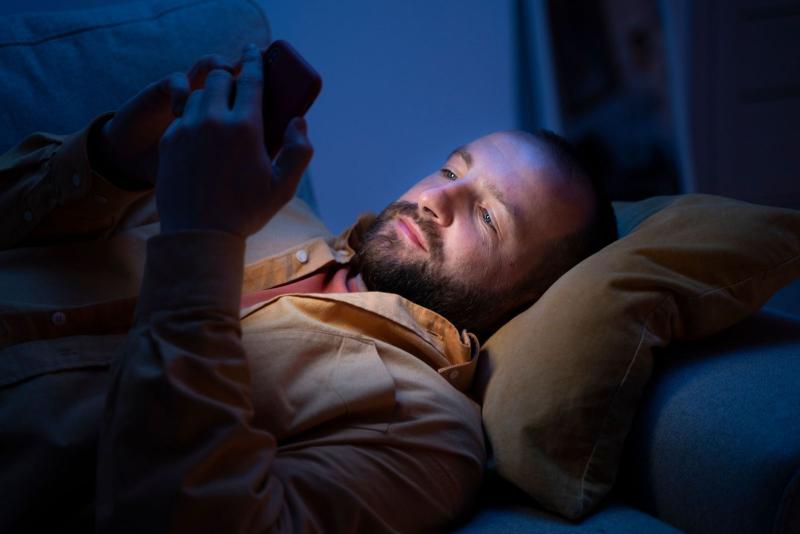
Light is a fascinating phenomenon that is a fundamental part
of human existence. Several biochemical and hormonal rhythms of our body are
synchronised with the daily cycle of the light and dark.
In the last few decades, the conversation around light and
health has become more complex with modern humans immersed in blue light
throughout the day. It is not uncommon knowledge that blue light disrupts
sleep, contributes to depression and can lead to headaches.
Modulating your exposure to blue light is an important
aspect of taking care of your health. So, it is important to get a well-rounded
perspective on blue light. In this article, we look at the different forms of
blue light, the positives and negatives and how we can control our exposure to
it.
What is blue light?
Light is a powerful tool that regulates several processes in our body from our vision to our mental and emotional health. There is both visible and non-visible light. Non-visible light includes ultraviolet and infrared light whereas visible light includes the whole spectrum of rainbow i.e. VIBGYOR, each colour representing a different wavelength.
Blue light is the wavelength of light with the highest
energy in the visible spectrum. It is also the one that has the strongest
impact on our physiology and circadian rhythm because certain receptors in our
skin and retina react to this wavelength. There are two kinds of blue light -
one is the natural light emitted by the sun, while the other is artificial and
comes from LED lamps and digital displays.
Natural v/s artificial blue light
Natural blue light that is a part of daylight is accompanied by a balance of other wavelengths that includes infrared, red, yellow, orange and UV wavelengths. The balance of these colours fluctuates in proportion through the day. For instance, in the morning there is less blue light and more red and infrared, then in the afternoon there is more blue light and UV.
As the sun sets, there is more red and infrared again. This
interplay between different wavelengths helps regulate our circadian rhythm
i.e. the sleep-wake cycle. As per an evolutionary point of view, our body has
adopted this natural internal clock that is closely connected to light. Natural
light wakes you up in the morning and post sunset in the absence of light our
body prepares itself in a way to facilitate sleep. Apart from this, the
circadian rhythm also affects our cognition, blood pressure, immune system and
metabolism.
Now, in a time where most of us are with digital screens
throughout the day, we are constantly exposed to artificial blue light. We are
exposed to an unhealthy amount of blue light through the day and also after
sunset – confusing the natural clock inside our bodies. As a result, these high
and unnatural doses of blue light are likely to cause damage when absorbed by
various cells in our body. Let’s take a closer look at how different forms of
blue light actually affect our bodies.
Positive Effects of Blue Light
- Enhanced
Mood and Alertness
You are mostly exposed to natural blue light through the
sun. Exposure to blue light during daylight hours has been associated with
cortisol and serotonin production. These chemicals improve your mood and have
an antidepressant effect. It helps regulate our internal clock, promoting
wakefulness and productivity.
- Seasonal
Affective Disorder (SAD) Treatment
Seasonal affective disorder or SAD is characterized by
depressive symptoms during specific seasons, and is believed to be linked to
changes in light exposure. Multiple studies have reported that blue light
therapy (exposing subjects to blue light at specific time of the day)
positively affected the subjects prone to Seasonal Affective Disorders (SAD).
- Improves
Sleep Disorders
Subjecting yourself to blue light during the day will help
your body maintain your circadian rhythm ,which will ensure you have a good
night’s sleep. Exposure to blue light at specific times is a widely used
treatment for sleep disorders.
Negative Effects of Blue Light
- Disrupted
Sleep Patterns
As mentioned earlier, our body reacts to light and the
absence of it. When the sun sets, our body releases a chemical called melatonin
which helps you fall asleep. In a study
conducted in 2018, scientists reported that exposure to artificial blue
light post sunset, especially at night, hinders the production of melatonin
which consequently disturbs your sleep cycle.
- Impact
on Mental Health
Constant exposure to blue light at night completely disrupts
the circadian rhythm, promoting sleeplessness and sustaining alertness
throughout the night. This evidently increases symptoms of anxiety and
depression. It has been reported that 3/4th of people with depression have
sleep disorders. It also raises the production of hormones such as cortisol,
adrenaline, dopamine, and serotonin, imbalances in all of them are linked to
many mental health conditions.
- Digital
Eye Strain
Extended screen time can cause digital eye strain,
characterized by symptoms like headaches, dry eyes, and blurred vision. This
physical discomfort can indirectly affect mental well-being by contributing to
irritability and stress.
Precaution against harmful effects of blue light
- Exposure
to Natural Light During Daytime
Natural light (sunlight) has the necessary blue light that
you should be exposed to at daytime along with the low energy reds and yellow
that has a soothing effect on you. It also helps you maintain your circadian
rhythm, improves your mood, and helps you focus better.
- Blue
Light Filters
As mentioned before, blue light has many advantages but only
if received naturally. Blue lights from digital devices are harmful when and
exposure to them must be modulated. Many devices now have inbuilt blue light
blockers. But for further protection you can use yellow screen glasses during
daytime and red glasses after sunset. Another way to relax and block blue light
in the evenings is to use blue light blocking lights and incandescent bulbs at
home rather than the common white lights.
- Limit
Screen Time Before Bed
Nothing helps blocking blue light better than eliminating
the source itself. Establishing a digital curfew and avoiding screens for at
least an hour before bedtime can contribute to better sleep hygiene.
- Dark
Sleep environment
Completely cut off any inadvertent blue light exposure while
sleeping by investing in good black out curtains or using an eye
mask.
As we navigate the digital landscape, understanding the
implications of blue light on our mental and physical health is crucial. While
it serves as a valuable tool in enhancing alertness and mood during the day,
it's equally important to manage our exposure, especially in the evening. By
adopting healthy habits and incorporating technology responsibly, we can strike
a balance that promotes both our well-being and digital lifestyles.
References
- Seth,
R., & Dave, S. (2022, October 12). Your new eyeglasses might be making
you depressed. Functional Nutrition | iTHRIVE. https://www.ithrivein.com/blog/your-new-eyeglasses-might-be-making-you-depressed
- Chindarkar,
M., & Dave, S. (2023, January 26). EMF, Bluelight and circadian
Rhythm. Alive | iTHRIVE. https://www.ithrivein.com/blog/emf-bluelight-and-circadian-rhythm
- Ebbett,
D. (2020, August 11). What are the Blue Light effects on mental health?
BlockBlueLight. https://www.blockbluelight.com/blogs/news/blue-light-mental-health
- Sleep
Foundation. (2024, January 12). Blue Light: What it is and how it affects
sleep. https://www.sleepfoundation.org/bedroom-environment/blue-light
- Emilia.
(2021, November 3). 7 health benefits of Blue Light therapy + side
effects. SelfDecode Health. https://health.selfdecode.com/blog/blue-light-therapy-benefits/
- Gordijn,
M. C. M., Mannetje, D. ’., & Meesters, Y. (2012). The effects of
blue-enriched light treatment compared to standard light treatment in
seasonal affective disorder. Journal of Affective Disorders, 136(1–2),
72–80. https://doi.org/10.1016/j.jad.2011.08.016
Post Your Ad Here
Comments