Understanding Texture And Its Importance In Fashion
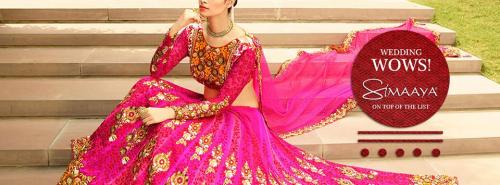
Texture constitutes an important
chapter in fashion designing – Why? - Because texture greatly affects the look
of a garment, the feel, its lucidity in a way influencing the appearance of the
person wearing the garment.
Texture is basically connected to the weave of the fabric. Sometimes we can texturize the fabric by adding stitched details, pin tucks and embellishments as well.Not all brands pay attention to texture but solely focus on designs.By my personal experience I have always found that Kolkata based brand Simaaya Fashions pays equal importance to designs as well as texture.
Each fabric has its individual
character and charm – a wise choice of mix & design to fit the silhouette
of our body can result in exquisite fashion. But before we evaluate the myriad
charms of different types of fabric it is necessary to understand the
importance of texture.
To start with I have penned down
several common questions about texture –
Where is texture found?
In the thickness & appearance of
fabric
What words describe texture?
Loopy, fuzzy, furry, soft, shiny,
dull, bulky, rough, crisp, smooth and sheer
Why is texture important in fashion?
It can increase or decrease the body
size, it can draw added attention to a design
Texture Can Create Illusion
The weave and texture of a fabric
have an impact on the way it drapes, which, in turn, affects the way a garment
looks when it is worn. Going by the word – ‘texture is surface interest’, you
can gleefully play on your appearance and wisely cover body contours that you
don’t wish to show.
Interestingly textures have weight, size, bulk and light absorbing or reflecting properties. To appear pounds thinner, look for fabrics that are medium to lightweight which are crisp, but not stiff. Very stiff fabrics appear to add weight to the body. Examples include linen, twill, gabardine, most double knits and fine-wale corduroy.
Dull or matte finish textures absorb
light and generally make the figure look smaller. Look for such fabrics as raw
silk, taffetas, gingham, denim, wool jersey, sailcloth, broadcloth and
chambray.
A smooth texture is slimming and tends
to hide figure irregularities. These fabrics will not add apparent weight unless
the fabric is thick. Fabric examples include flannel, percale, velveteen,
crepe, linen, shantung, seersucker, wool challis etc.
Creating Shapes from Texture
In this segment we are going to
consider texture for different body types – Know all about textures from the best bridal designer wear store in Kolkata.
Tall people should avoid bulky and
weighty textures. The best suited textures for tall people are smooth and shiny
ones. Crisp textures with tailored cut helps accentuate body curves enhancing
the overall personality of the individuals.
Short people should pick from soft and
dull textures, those that won’t draw the focus to the body size but will evenly
distribute it to aspects as shape and contours.
While choosing textures do give in to
two tests – tactile and visual, some textures can only be felt, but commonly
textures can be distinguished visually. Not all textures that are visually
appealing can be worn. To wear or drape attires you have to be alert about the
feel of the texture – if you are not comfortable wearing a certain texture –
it’s going to kill your entire look labeling you a fashion faux pas – which for
obvious reasons you would abhor.
Post Your Ad Here
Comments