The Importance of Culture in Translation
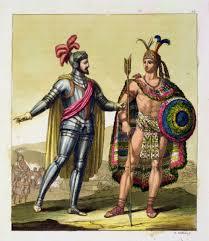
There are two important things that we need to look at, in this article and how one impacts the other; that is translation and culture.
What translation means
Translation is just an act of bridging the gap between diverse languages, cultures, and customs. This means translators must have a deep understanding of linguistic rules and regulations that each culture entails. Translation also involves translating holistic values from one culture to another and so we ought to know what culture is.
Let’s also talk shortly about culture
Culture is the collective deposit of facts, know-how, values, attitudes, meanings, hierarchies, religion notions of time, roles, spatial relations, concepts of the creation, and material objects and possessions acquired by a group of people in the course of generations through individual and a group striving
Therefore while translating a particular document to a selected group of clients, the translators should be the natives of the target client’s language that they are much acquitted their cultural values, beliefs, attitudes, religion, and etc. They will be expected to deliver document translations that best suit their own cultural requirements. However, if a bilingual person who just has the knowledge of two languages is given to provide translation services to a certain group of people, cultural aspects might be messed up with hence affecting the viability of the business in that particular group of people.
The most important issue to note with culture in translation is that it gives language different contexts; translators have to be careful when translating words from one language to another. For example, different words of some language have different meanings in other languages and even offensive to other language users.
For example, how can you ensure that you have translated a Chinese dialect into the Korean language without offending them, with such actions of translations, translators must be aware of the cultural differences that exist between the Chinese language and Korean language. We also need to know what language means.
Language
Language is a human system of interaction that uses an arbitrary signal like voice sounds, gestures and or written symbols.
Who are the target customers?
Before any translation service begins, you the project owner should first know where the content to be translated is targeted. The most important thing here is to understand the language to which the content should be translated into without forgetting the cultural beliefs of people who speak the target languages. You also need to know how you are going to pass your message to the target community, which cultural beliefs do your target clients have such that your message doesn’t violate their culture, and who are the translators of the message into the client's language. When you handle these questions very well, your translation services will not be in mess and can clearly reach your target audience.
However, with translation, if your target is to market your products in China, there are certain culturally aspects and facts you are supposed to consider. You should make sure that the product manuals are translated to best suit the Chinese language and culture, if the Chinese people fail to understand the message you are conveying to them, then you are probably wasting your time and resources. Your translators should, therefore, have the prior knowledge on how to expertly translate your message into the Chinese language to match their cultural norms.
Before considering the target audience for the message you are intending to convey to them, their other cultural aspects that you may also take into consideration like food, this can also be used to express a message to a target language, if your target clients are Chinese, it will be added advantage to add Chinese international dishes to express your point.

Post Your Ad Here
Comments