Essay on HIV AIDS
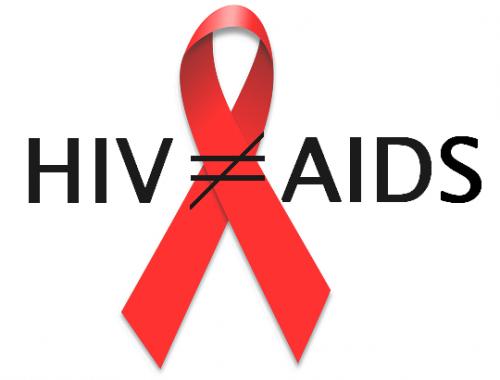
The infection caused by Human immunodeficiency virus
(HIV), if left untreated, leads to Acquired immunodeficiency syndrome (AIDS)
over the course of time. HIV basically attacks the immune system of the person
and starts destroying CD4 T cells that are responsible for the body’s action
against infection. The basic information regarding HIV/AIDS including its
prevalence, pathophysiology and its impact on the patient. Following this, discussion
of palliative care and the way principles of integrated management are used to
manage symptoms of HIV would be done and finally, the essential role played by
supportive interventions in this palliative health care management would be highlighted. Over
the period of time, HIV gets strong and destroys many of these cells hampering the
natural power of the person to fight against foreign bodies. Thus, the person
becomes prone to get opportunistic infections and even cancer and this late
stage characterized by weight loss and multiple infections is termed as
AIDS.
The HIV virus spread through certain body fluids and
it is transmitted via unprotected sex, sharing needles with infected person and
from infected mother to the child. As per global statistics, nearly 40 million
people are living with HIV/AIDS in 2015 and the problem is that there is no
permanent cure for the disease. Although treatment is present to decrease the
disease severity and relieving symptoms but still an effective cure does not
exist. AIDS
is typically said to occur when the patient’s CD4 Tells count falls below 200
cells/mm3 and it leads to severe weakness of immune system. In case of absence
of treatment nearly 50% of HIV cases progresses to AIDS in 10 yrs and if AIDS
is left untreated, the person usually dies in 3 yrs. of diagnosis. However, in
case of occurrence of dangerous opportunistic infections, life expectancy may
fall to even less than 1 yr. commonly, AIDS patients are affected by pneumocystis
pneumonia, extreme weight loss,
respiratory tract infection and candidiasis. In addition, multiple
opportunistic infections which otherwise are controlled by active immune
system, are caused in almost every organ of the body. Further, the patient’s
risk to get cancers, especially associated with virus like Kaposi’s sarcoma, Burkett’s
lymphoma, cervical cancer, etc, increases manifold and they also become prone
to get psychiatric or neurological symptoms. Clearly, AIDS severely affects
patient’s whole body and over that these patients have to face problems like
isolation and social discrimination that worsen their condition.
However, if the patient receives antiretroviral
treatment and occurrence of opportunistic infection is prevented then the death
rate may be reduced by 80%. The prognosis depends on the time of initiation of
treatment. Earlier the treatment is started, better is the prognosis and life
expectancy improves. In most of the cases, the primary cause of death of AIDS
patient is due to infections like Tuberculosis, Hepatitis C or due to cancers.
Thus, currently steps are taken to educate people about HIV and its prevention
and increase the access of ART to infected people.
I am a professional assignment writer, we provide best quality Assignment Writing Service for university and School student in Australia on different educational topic like Marketing,Business,Human Resource Management etc.
Post Your Ad Here
Comments