Best Valve Selection Guide for Industrial Applications
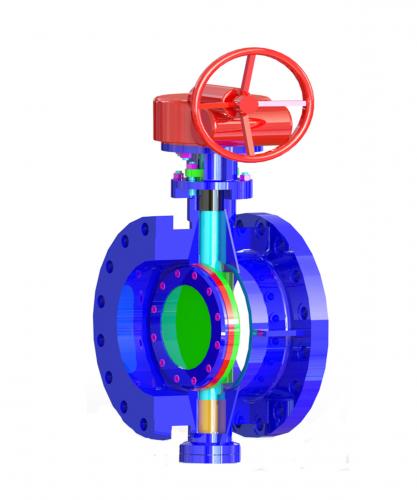
In this article, we'll cover various topics, including valve selection, manual butterfly valves, their main features, the materials they're constructed of, advantages, applications, and other pertinent topics.
Understanding valve selection:
Various factors, such as application, media type, temperature, and maintenance requirements, are considered in the Valve Selection Guide. Here are important considerations:
Application: Various valve types are needed for different purposes.
Material: The flow of water or air through the valve affects the material and type of valve selected.
Pressure and temperature: Valves withstand system pressure and temperature.
Maintenance: Think about the valve's ease of maintenance over time.
Materials used:
Body materials: Common materials include cast iron, stainless steel, and PVC.
Disc materials: Often made from stainless steel, ductile iron, or aluminum bronze.
Seat materials: EPDM, NBR, PTFE, and other elastomers are used for their sealing properties.
Stem materials: Typically stainless steel for corrosion resistance and strength.
Handle/Lever: The valve is operated manually.
What makes a manual butterfly valve diverse?
Simple operation: Operated by turning a handle or lever, it rotates the disc to open or close the valve.
Compact size: This takes up less space than other types of valves, like gate or globe valves.
Lightweight: Easy to install and requires little support.
Cost-effective: Generally cheaper than other valve types with similar functionalities.
Applications of manual butterfly valves:
Body materials: Common materials include wrought iron, stainless steel and, PVC.
Wheel material: Usually stainless steel, stainless steel, or aluminum lead.
Seating materials: EPDM, NBR, PTFE, and other elastomers are used for installers.
Stem material: Usually stainless steel for corrosion resistance and strength.
Types of manual butterfly valves:
There are several varieties of manual butterfly valves, and each is appropriate for a particular need. Wafer-style valves are fastened in place with bolts and nestle comfortably between two pipe flanges. Threaded inserts, or lugs, on lug-type valves enable bolt insertion straight into pipe flanges, making replacement and removal simple. For specific system requirements, each kind has unique advantages.
Wafer type: Designed to fit between two flanges and held together by bolts connecting the flanges.
Lug type: Threaded inserts (or lugs) are components that allow the valve to bolt directly to the pipe flanges.
Double offset: The disc is moved from the valve seat to reduce wear and to tighten the seal.
Triple offset: Adds an additional offset and provides metal-to-metal sealing for high-temperature and high-pressure applications.
Benefits of butterfly valves operated manually:
Manual butterfly valves have many advantages:
Quick operation: The quarter-turn mechanism allows quick opening and closing.
Versatility: Suitable for multiple applications and media.
Low maintenance: Fewer moving parts means less wear.
Lower cost: Reducing initial costs and installation costs.
Selection of manual butterfly valve
Consider the following factors when selecting a Manual Butterfly Valve.
Application-
Process Industry: Used to control flows in the pharmaceutical industry.
Water treatment: It is desirable to control the flow of water in water treatment areas.
HVSC systems: These are used in heating, ventilation, and air conditioning.
The media-
Water: Water, chemicals and other liquids.
Wind: Wind like steam.
Slurries: Liquids containing suspended solids.
Pressure and temperature-
Pressure level: Make sure the valve can handle the pressure from the system.
Temperature range: Choose materials that can withstand heat treatment.
Valve size-
Pipe Size: Match the valve size to the pipe diameter.
Flow Rate: Consider flow rate requirements to ensure proper efficiency.
Installation and upkeep of manual butterfly valves:
Correct installation and upkeep are essential to the manual butterfly valve's effective operation.
Advice on installation-
Alignment: Make sure the valve is properly aligned with the pipe to prevent leakage.
Torque: Tighten the bolts to the recommended torque to prevent wear.
Clearance: Provide sufficient clearance for the handle or lever to operate freely.
Maintenance advice-
Routine inspection: Check regularly for damage.
Cleaning: Keep the valve clean to prevent accumulation of debris.
Lubricate: Lubricate the moving parts to improve efficiency.
Replacement parts: Keep spare parts on hand for faster repairs.
Solving common problems-
Leakage-
Examine the seals: If required, replace the seats and seals after looking for any flaws.
Tighten the bolts: Verify that the bolts are properly torqued to the required level.
Check the disk: Check the disk for corrosion.
Difficulty in operation:
Lubrication: Make sure the stem and handle are well lubricated.
Alignment check: Make sure the valve is properly aligned with the pipe.
Check for damage: Check the stem or handle for damage.
Wear-
Regular inspection: Inspect the valve regularly for signs of wear.
Replace damage: Replace damaged items immediately to prevent further damage.
Use the right materials: Ensure materials are suitable for operating conditions to minimize wear and tear.
Conclusion
Manual butterfly valves are affordable and interchangeable versatile devices. By knowing the basic features and considerations of valves, you can choose the best valve for your system. Proper installation and maintenance can ensure longevity and performance. To swiftly solve any issues and preserve the smooth operation of your system, don't forget to examine and maintain your valves periodically.
Post Your Ad Here
Comments