How to Plan a Private Lobster Fishing Expedition
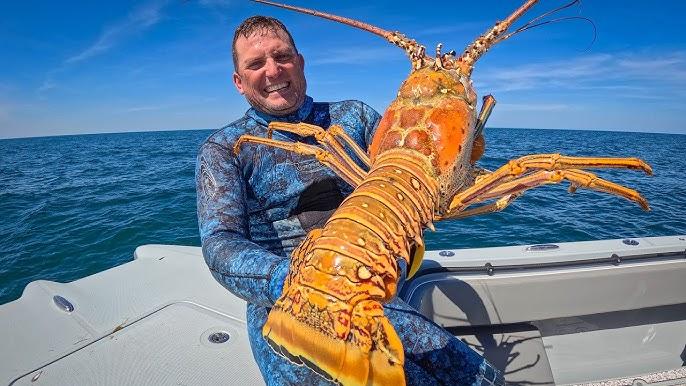
A private lobster fishing trip is not your average day on the water. It is part adventure, part strategy, and part patience. Unlike daytime sport fishing, lobster expeditions often happen after dark, when the real action begins. Planning properly makes the difference between a frustrating night and a cooler full of legal, fresh catch.
Understand the Season and Regulations
Before you do anything else, find out when and how to catch lobsters in your area. There are strict rules about lobster fishing to protect sea life. To fish, you'll need a current license and a lobster report card. Size limits, daily bag limits, and the kinds of things that are allowed are all spelled out in the rules. You have to have measuring tools because any lobster that is too small must be released right away. If you don't follow these rules, you could get fined or lose your fishing license, so you need to be ready.
Choose the Right Charter Experience
A private trip offers flexibility, space, and guidance that public boats cannot match. When booking with experienced crews such as Left Coast Sportfishing Dana Point, you benefit from local knowledge of productive grounds, weather patterns, and safe navigation at night. A private charter also means you can focus on learning techniques rather than competing for rail space with strangers. The captain typically provides traps or hoop nets, bait, and instruction, making it ideal for both beginners and experienced anglers.
Know the Difference Between Lobster Fishing and Regular Fishing
Catching lobster is very different from reeling in fish. Instead of rods and reels, you use hoop nets or traps baited with fish like mackerel. These are lowered to the ocean floor and left to sit before being pulled up. Timing matters. Too soon, and the lobsters may not have entered. Too late, and they might escape or attract unwanted sea life. The process becomes a rhythm of setting, waiting, and hauling.
Prepare for Night Conditions
Most lobster trips take place after sunset because lobsters are more active at night. Dress in warm, layered clothing since ocean temperatures drop quickly after dark. Non-slip shoes, gloves for handling gear, and a headlamp with a red light option are helpful. Motion can feel stronger at night, so bring seasickness remedies if you are unsure how your body will react.
Bring the Right Personal Gear
Even though charters provide fishing equipment, you should bring essentials. A small cooler for drinks and snacks, a camera for photos, and a waterproof bag for valuables are smart additions. Gloves are important because lobster shells and traps can be rough on your hands. A measuring gauge is required to ensure every lobster meets legal size before keeping it.
Learn Proper Handling Techniques
Lobsters must be handled carefully to avoid injury to both you and the animal. Grasp them firmly on the body, keeping fingers away from the tail and legs. Measure immediately while the lobster is still over the water, so undersized ones can be returned safely. Humane storage in a cooler with ice packs keeps the catch fresh until you return to shore.
Watch the Weather and Ocean Conditions
Ocean forecasts matter more at night. Calm seas make trap handling easier and safer. Wind and swell can slow the process and reduce comfort. Captains monitor conditions closely, but checking forecasts yourself helps you dress and prepare properly.
Make It About the Experience
A private lobster fishing trip is not just about filling limits. It is about the quiet excitement of working under the stars, learning a unique fishing method, and sharing the moment with friends or family. With good planning, the right charter, and respect for regulations, your lobster expedition can become a memorable ocean adventure that ends with one of the freshest seafood meals you will ever have.

Comments