How Modern Automotive Technology Is Quietly Changing Driving Habits
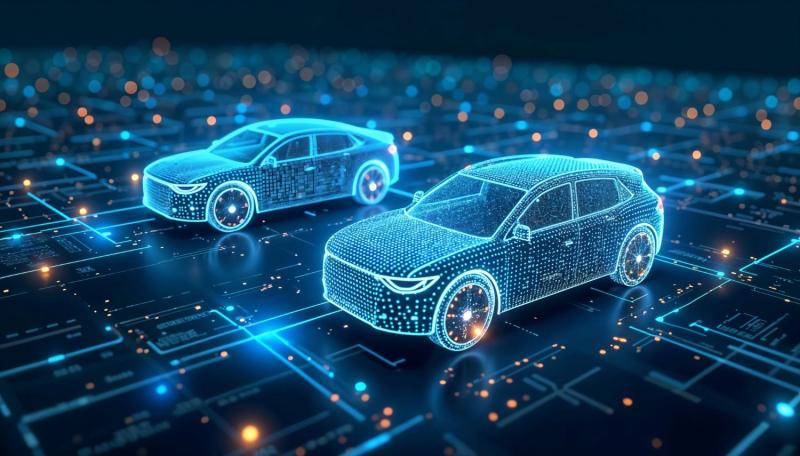
Driving today is very different from what it was just a decade ago. While roads may look the same and vehicles still have steering wheels and pedals, the experience behind the wheel has been quietly transformed by modern automotive technology. These changes are not always obvious. Instead of dramatic shifts, technology has slowly reshaped how people think, react, and behave while driving. From decision-making to attention span, driving habits are evolving in subtle but powerful ways.
Smarter Assistance, Less Manual Effort
One of the biggest changes comes from driver assistance systems. Features like lane keeping assist, adaptive cruise control, and automatic emergency braking are designed to make driving safer and easier. However, they also influence how drivers engage with the road. Many people now rely more on their car to correct small mistakes, such as drifting slightly out of a lane or getting too close to another vehicle.
Over time, this creates a new kind of driving mindset. Instead of constantly scanning the road and anticipating risks, drivers may become more reactive than proactive. The car’s technology becomes a silent partner, stepping in when needed. While this can reduce stress and improve safety in many situations, it also changes the level of personal responsibility drivers feel moment to moment.
Navigation Systems and the Decline of Route Memory
Modern navigation systems have made getting lost far less common. Turn-by-turn directions, real-time traffic updates, and voice guidance mean drivers rarely need to memorize routes. This convenience, however, has altered how people interact with their surroundings.
Drivers are now more focused on following instructions than observing landmarks or understanding the layout of an area. As a result, spatial awareness and route memory may not develop as strongly as before. Technology handles the planning, while the driver simply executes commands. This shift shows how automotive innovation is not just changing vehicles but also the cognitive habits of drivers.
In the digital world, similar shifts in behavior can be seen on platforms like instadpworld.com, where users rely on technology to access and view content instantly rather than remembering details themselves. The pattern of depending on systems instead of memory appears across many aspects of modern life, including driving.
Increased Comfort and Reduced Physical Engagement
Vehicles today are designed for comfort. Power steering, smooth automatic transmissions, advanced suspension systems, and ergonomic interiors reduce the physical effort needed to drive. While this makes long journeys less tiring, it also changes how connected drivers feel to the vehicle.
In older cars, drivers were more aware of the engine’s behavior, road texture, and vehicle limitations. Now, many of those sensations are filtered out. Driving feels smoother and more controlled, which can create a sense of detachment from the mechanical aspects of the car. The driver becomes more of a supervisor than an operator.
This shift can influence attention levels. When driving feels effortless, it may be easier for the mind to wander. That is why modern safety systems increasingly focus on monitoring driver alertness, recognizing that comfort can sometimes lead to reduced focus.
Connectivity and the Battle for Attention
Modern cars are connected devices. Infotainment systems, smartphone integration, voice assistants, and touchscreens offer constant access to music, calls, messages, and apps. While these features enhance convenience and entertainment, they also compete for the driver’s attention.
Even when hands remain on the wheel, mental focus can shift between driving and digital interaction. Voice commands and simplified controls aim to reduce distraction, but the presence of so many options changes the mental environment inside the car. Driving is no longer the sole task; it becomes one activity among several.
This mirrors trends seen in online spaces such as https://www.networthpeek.com/blog/, where users often multitask between different types of information and content. The habit of dividing attention carries over into the driving experience, making focus management a modern skill for drivers.
Automation and Changing Confidence Levels
As vehicles gain more autonomous features, drivers are adjusting their expectations about what cars can handle. Parking assist, self-parking modes, and traffic jam assist systems give the impression that the car can manage complex situations. This can increase confidence, especially for less experienced drivers.
However, confidence shaped by technology can differ from confidence built through skill alone. Drivers may attempt situations they would previously have avoided, trusting the system to help. In many cases, this works well, but it also means drivers must learn when to trust technology and when to take full control.
This balance between human judgment and automated support is becoming a central part of modern driving habits.
Efficiency Awareness and Eco Driving
Modern dashboards provide real-time feedback on fuel consumption, battery usage, and driving efficiency. Drivers can see how their acceleration, braking, and speed choices affect energy use. This visibility encourages more mindful driving.
People are more likely to adopt smoother acceleration, maintain steady speeds, and avoid harsh braking when they see the impact directly. Technology turns efficiency into a measurable goal rather than an abstract idea. Over time, this creates habits that are both cost-effective and environmentally friendly.
In lifestyle and informational platforms such as DinePedia.com.au, users also respond to visible data and recommendations, showing how digital feedback influences everyday choices. In cars, similar feedback loops shape how people drive.
A Gradual but Lasting Transformation
Modern automotive technology has not changed driving overnight. Instead, it has quietly reshaped habits through convenience, safety support, connectivity, and feedback systems. Drivers rely more on assistance, remember fewer routes, enjoy greater comfort, manage more digital input, and pay closer attention to efficiency.
These shifts highlight an important reality. Technology does not just add features; it influences behavior. As vehicles continue to evolve, understanding how these tools shape our habits will be just as important as learning how to use them.

Comments