How Car Design Now Focuses More on Experience Than Mechanics
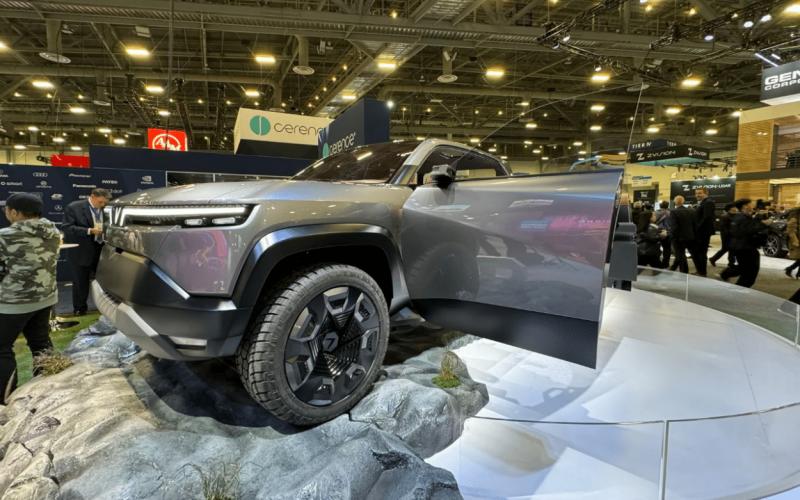
The automobile industry has entered a new era. For decades, car buyers judged vehicles mostly on engine power, durability, and mechanical performance. While these elements still matter, modern car design has clearly shifted toward something deeper and more personal: the overall driving experience. Today, manufacturers are not just building machines that move people from one place to another. They are creating environments, emotions, and digital ecosystems on wheels. This change reflects how lifestyles, technology, and consumer expectations have evolved in recent years.
The Shift From Engine Power to Driver Feel
In the past, horsepower, torque, and fuel efficiency were the main conversation points in showrooms. Drivers wanted reliability and strength, and brands competed to offer the most advanced mechanical systems. Now, although mechanical quality remains essential, it is no longer the main selling story. Buyers are asking different questions. They want to know how the car feels during a long drive, how quiet the cabin is, and how comfortable the seats remain after hours on the road.
Manufacturers are investing heavily in suspension tuning, sound insulation, and smooth steering response. These features may not sound as impressive as engine statistics, but they have a major impact on daily use. The goal is to make every drive feel relaxed, controlled, and enjoyable rather than simply powerful.
Interior Design as a Living Space
Modern vehicles are being designed as personal spaces rather than purely functional cabins. Drivers now spend a large part of their day inside their cars, especially in cities with heavy traffic. Because of this, interior design has become a central focus.
Soft materials, ambient lighting, and ergonomic layouts are carefully chosen to reduce stress and create a welcoming atmosphere. Large touchscreens, digital dashboards, and voice controls make the vehicle feel like an extension of a smart home. Car interiors are now closer to lounges than mechanical control centers. Design teams study how color, texture, and layout influence mood, ensuring the cabin feels calm and intuitive.
This human-centered design approach shows that experience now carries equal weight to mechanical engineering.
Technology as the Heart of the Experience
Another major reason car design now focuses more on experience is the rise of digital technology. Infotainment systems, smartphone integration, and driver assistance features shape how people interact with their vehicles every day. Navigation systems, streaming audio, and connected apps make the journey feel productive or entertaining.
Drivers expect seamless connectivity. They want their car to recognize their preferences, adjust seat positions automatically, and offer personalized settings. These smart features create a sense of comfort and familiarity that older vehicles simply could not provide.
Many lifestyle blogs, such as The Lovers Point, often discuss how personal environments influence emotional well-being, and the same principle applies to vehicles. When technology makes driving easier and more enjoyable, the car becomes part of a balanced lifestyle rather than just a machine.
Safety Experience Beyond Mechanics
Safety has also evolved from purely mechanical systems like brakes and airbags to intelligent assistance that improves confidence behind the wheel. Lane keeping support, adaptive cruise control, and parking sensors reduce mental fatigue and make driving feel less stressful.
These systems change the emotional experience of driving. Instead of feeling tense in heavy traffic or tight parking spaces, drivers feel supported. This psychological comfort is now a key part of vehicle design. The car is expected to look after the driver, not just respond to physical inputs.
Emotional Branding and Storytelling
Car brands increasingly focus on emotional storytelling. Marketing no longer revolves only around engineering achievements. Instead, advertisements highlight road trips, family moments, and personal freedom. This approach reflects how buyers connect with vehicles on an emotional level.
Online platforms like Networthwire.com often analyze how brands build value through perception and identity rather than just product features. The same strategy applies to cars. A vehicle represents lifestyle, ambition, and personality. Designers, therefore, consider how the shape, lighting, and overall look of a car make people feel when they see or drive it.
Sustainability and the Experience of Responsibility
Electric vehicles and eco-friendly materials have added another dimension to the driving experience. Many buyers want to feel responsible and forward-thinking. Smooth electric acceleration, quiet motors, and clean energy use create a new type of satisfaction that is both emotional and ethical.
Automakers design these vehicles to highlight simplicity and calmness. The absence of engine noise changes the atmosphere inside the cabin, making drives feel peaceful. This sensory difference reinforces the idea that experience now includes environmental awareness.
Business-focused sites such as growthwire.com.au frequently discuss how innovation shapes consumer behavior, and the auto industry provides a clear example. Companies that understand emotional and lifestyle expectations are leading the market.
The Future of Experience-Driven Cars
Looking ahead, car design will likely move even further toward experience-based innovation. Autonomous features, augmented reality displays, and advanced personalization will redefine what driving means. The vehicle may become a mobile office, entertainment zone, or relaxation pod depending on the user’s needs.
Mechanical excellence will always be necessary, but it will operate in the background. The visible focus will remain on comfort, connection, and emotional satisfaction.
Conclusion
Car design has clearly evolved from a purely mechanical focus to a holistic experience-centered approach. Comfort, technology, safety, emotion, and sustainability now shape how vehicles are built and marketed. Modern drivers want more than performance. They want a space that supports their lifestyle, reduces stress, and reflects their identity. As expectations continue to change, experience will remain at the heart of automotive design.

Comments