How Your Sleep Affects Your Mental Health
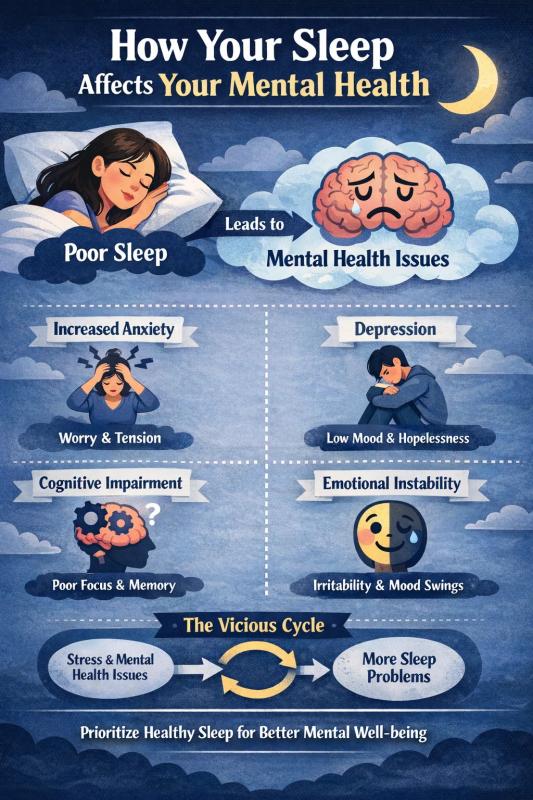
Did you know that lack of sleep affects nearly 35% of adults globally, increasing the risk of anxiety, depression, and cognitive difficulties? Sleep is not just a nightly reset—it’s a cornerstone of mental health. From supporting emotional balance to improving memory, quality sleep is essential. Even your choice of pillow can impact how well you rest, influencing both comfort and alignment during sleep.
The Connection Between Sleep and Mental Health
Sleep and mental health share a bi-directional relationship: poor sleep can trigger mental health issues, and mental health issues can disrupt sleep. Sleep deprivation and insomnia are common culprits that negatively affect mood, cognitive function, and emotional regulation. Without proper rest, the brain struggles to process emotions and stress effectively.
How Sleep Deprivation Impacts Your Mind
-
Increased irritability: Even a single night of poor sleep can make you more emotionally reactive.
-
Cognitive decline: Lack of rest affects attention, memory, and decision-making.
-
Heightened stress response: Sleep deprivation raises cortisol, the stress hormone, worsening anxiety.
The Role of Insomnia in Mental Health
Insomnia is more than just difficulty falling asleep; it can be a chronic issue with far-reaching mental health consequences. People with insomnia often experience:
-
Persistent anxiety or worry
-
Depressive symptoms
-
Reduced resilience to stress
Research shows that insomnia can increase the risk of developing clinical depression by up to 10 times, highlighting the importance of early intervention.
Why Sleep Health Matters
Prioritizing sleep health is crucial for emotional stability and cognitive performance. Good sleep hygiene, such as maintaining a consistent bedtime, reducing screen time before bed, and using a supportive pillow, can improve both sleep quality and mental well-being. A Best pillow helps maintain neck alignment, reduces discomfort, and promotes uninterrupted rest, all contributing to better sleep health.
Tips for Better Sleep Health
-
Stick to a regular sleep schedule, even on weekends
-
Create a dark, quiet, and cool sleeping environment
-
Limit caffeine and heavy meals before bedtime
-
Use a pillow that supports your neck and sleeping style
-
Practice relaxation techniques like meditation or deep breathing
The Science Behind Sleep and Emotional Regulation
During sleep, especially REM sleep, the brain processes emotions and consolidates memories. Sleep deprivation reduces the brain’s ability to manage emotional responses, which can lead to:
-
Heightened anxiety
-
Mood swings
-
Difficulty coping with stress
This explains why people often feel more emotionally fragile after several nights of poor sleep.
Common Sleep Disorders Affecting Mental Health
Several sleep disorders can interfere with mental health, including:
-
Insomnia: Trouble falling or staying asleep
-
Sleep apnea: Pauses in breathing disrupt sleep cycles
-
Restless leg syndrome: Uncomfortable sensations prevent restful sleep
Addressing these conditions with medical guidance is essential for improving both sleep and mental wellness.
FAQs
Q1: Can improving my sleep really reduce anxiety and depression?
Yes! Consistently getting quality sleep improves emotional regulation, reduces stress hormones, and enhances overall mental resilience.
Q2: Does the type of pillow I use really affect my mental health?
Indirectly, yes. A supportive pillow improves sleep posture and comfort, promoting uninterrupted rest, which is vital for brain function and emotional balance.
Takeaway
Sleep is not a luxury—it’s a mental health necessity. Prioritizing sleep health, addressing insomnia, and choosing supportive bedding can make a significant difference in mood, focus, and overall well-being. By valuing your nightly rest, you are actively investing in a healthier, more resilient mind.


Post Your Ad Here
Comments