What Side to Sleep On with Acid Reflux: A Guide for Better Sleep and Relief
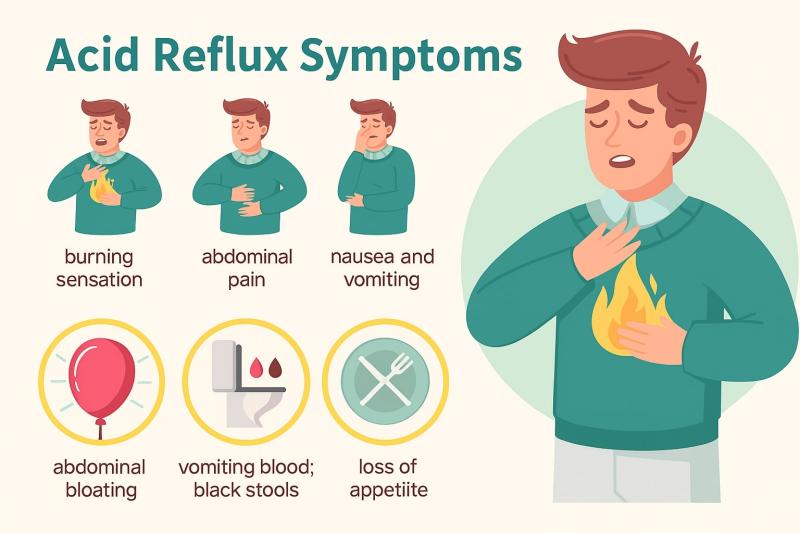
If you suffer from acid reflux or GERD (Gastroesophageal Reflux Disease), you know how disruptive it can be to your sleep. In fact, a study by the American College of Gastroenterology found that up to 75% of people with GERD report nighttime symptoms, which can affect both the quality and duration of sleep.
As the digestive acid travels back up into the esophagus, it causes that infamous burning sensation in your chest and throat. When you lie down, gravity works against you, and it’s easier for stomach acid to flow upward, worsening the symptoms. That’s why side sleeping has been highlighted as a key position for improving comfort and minimizing discomfort.
But which side is the best for acid reflux relief? Let’s dive into the science behind sleeping positions and discover how you can use them to your advantage.
Understanding Acid Reflux and GERD
Before we talk about sleep positions, it’s important to understand the basics of acid reflux. It occurs when the lower esophageal sphincter (LES), a muscle that connects the esophagus and stomach, doesn’t close properly, allowing stomach acid to flow back into the esophagus. This can lead to symptoms like heartburn, regurgitation, and difficulty swallowing.
GERD is the chronic form of acid reflux. It not only causes discomfort but can also lead to more severe health issues, such as esophageal ulcers or narrowing of the esophagus.
While many people experience mild acid reflux occasionally (maybe after a spicy meal), GERD is persistent and often requires medical treatment.
Why Side Sleeping Can Help Acid Reflux
So, why is side sleeping recommended for acid reflux relief? When you sleep on your back or stomach, gravity works against your digestive system, potentially allowing stomach acid to reach the esophagus more easily. However, side sleeping minimizes this risk.
Here’s how:
-
Gravity plays a role: Sleeping on your side, especially the left side, allows gravity to help keep stomach acid where it belongs—inside your stomach.
-
Reduced pressure: Side sleeping can reduce the pressure on your stomach, which can help prevent acid from flowing back up into your esophagus.
But not all sides are created equal when it comes to acid reflux. Let’s look deeper into which side is the best option for reflux sufferers.
Best Side to Sleep On for Acid Reflux Relief
When it comes to side sleeping, the left side is widely regarded as the superior position for managing acid reflux. Here’s why:
-
Anatomy of the Digestive System: When you sleep on your left side, your stomach is positioned below the esophagus, and the angle of the stomach opening (the LES) is less likely to allow acid to leak upward.
-
Reduction in GERD symptoms: Studies have shown that left-side sleeping can significantly reduce GERD symptoms, including heartburn and regurgitation, compared to sleeping on your right side or back.
On the other hand, sleeping on your right side can actually worsen symptoms. When you sleep on your right side, the LES is positioned at a more favorable angle for stomach acid to rise, exacerbating reflux.
Benefits of a Side Sleeper Pillow
A side sleeper pillow can enhance your ability to get a restful night’s sleep while managing acid reflux. These specialized pillows are designed to support the alignment of your head, neck, and spine, which is crucial for reducing acid reflux.
Benefits include:
-
Elevation support: Many side sleeper pillows offer gentle elevation that helps to keep your head above the level of your stomach, preventing acid from flowing back up.
-
Spinal alignment: A good side sleeper pillow helps maintain your spine’s natural curve, which can relieve pressure on the stomach and support overall comfort.
-
Comfort: These pillows are contoured to fit your side sleeping position, reducing strain on your body.
Additional Tips for Acid Reflux Relief While Sleeping
While choosing the right side to sleep on is important, there are other steps you can take to manage acid reflux while you sleep:
-
Elevate your head: Consider elevating your bed by 6-8 inches using a wedge or adjustable base. This helps keep stomach acid down.
-
Avoid heavy meals before bed: Try not to eat for at least 2-3 hours before you sleep. Heavy meals or spicy foods can increase the likelihood of acid reflux.
-
Wear loose-fitting clothes: Tight clothing can increase pressure on your stomach and LES, contributing to reflux symptoms.
-
Avoid alcohol and caffeine: Both can relax the LES, making acid reflux more likely to occur.
-
Quit smoking: Smoking weakens the LES, increasing the likelihood of reflux.
FAQs
1. Can I sleep on my right side with acid reflux?
While left-side sleeping is ideal, sleeping on your right side may also help some people. However, it’s less effective than sleeping on the left side and can potentially worsen acid reflux symptoms. If you must sleep on your right side, consider using a wedge pillow for extra support.
2. What are the best pillows for acid reflux relief?
Side sleeper pillows designed for acid reflux often have a contour that promotes spinal alignment and elevation. Look for memory foam pillows or wedge pillows that are firm enough to provide the necessary support but soft enough for comfort.
3. How long after eating should I wait before lying down?
To prevent acid reflux, it’s best to wait at least 2-3 hours after eating before lying down to sleep. This gives your stomach time to digest and reduces the risk of acid backing up into the esophagus.
Conclusion
Managing acid reflux doesn’t have to be a battle every night. By adjusting your sleep position, particularly by sleeping on your left side, and using a side sleeper pillow, you can experience relief from GERD symptoms and enjoy a more restful night’s sleep. Add in some lifestyle changes, such as avoiding large meals and elevating your head while sleeping, and you'll be well on your way to better sleep and a healthier digestive system.


Post Your Ad Here
Comments