How to choose the best pillow for side sleepers
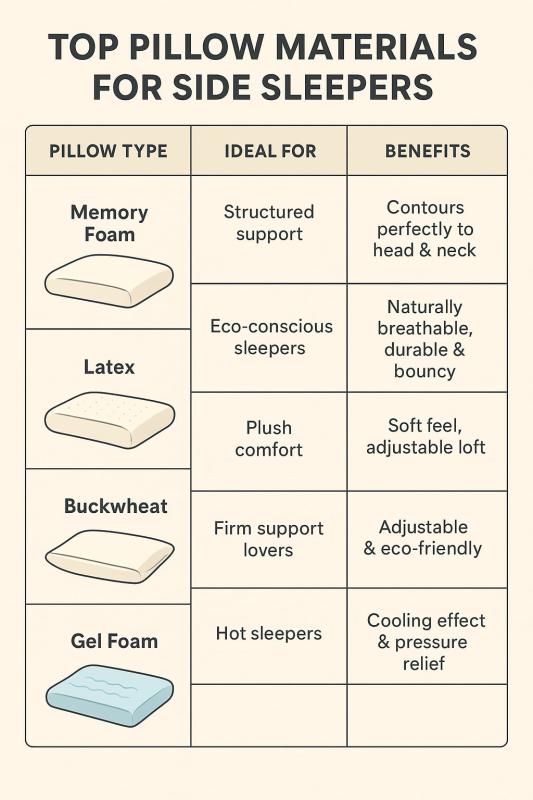
Did you know that nearly 74% of adults prefer sleeping on their sides? According to a study by the Sleep Foundation, side sleeping can improve digestion, reduce snoring, and promote better spinal alignment — but only if you have the right pillow.
The wrong pillow can lead to neck pain, shoulder stiffness, and poor sleep quality, disrupting your natural sleep cycle. On the other hand, the best pillow for side sleepers supports the head, neck, and shoulders evenly — creating a straight spine alignment and promoting deep, restorative sleep.
So if you wake up with neck pain or feel groggy despite 8 hours of sleep, your pillow might be the silent culprit.
The Science Behind Side Sleeping & Sleep Cycles
Our sleep cycle is made up of four stages — light sleep, deep sleep (also known as slow-wave sleep), and REM sleep. Deep sleep is when your body repairs tissues, builds bone and muscle, and strengthens your immune system.
However, discomfort or poor alignment caused by a bad pillow can trigger micro-awakenings during deep sleep, preventing your body from entering the most restorative phase.
A side sleeper pillow with proper loft (height) and firmness ensures your head stays aligned with your spine, reducing pressure points and keeping your body relaxed throughout the night.
Fun Fact: Research shows that people who use ergonomically designed pillows spend up to 20% more time in deep sleep compared to those using traditional flat pillows.
Key Features to Look for in a Side Sleeper Pillow
Choosing the best pillow isn’t about brand or price — it’s about fit and support. Here’s what truly matters:
1. Loft (Height)
For side sleepers, the ideal pillow height is 4–6 inches to fill the space between your shoulder and head. Too flat, and your neck dips; too high, and your spine curves awkwardly.
Tip: If you have broad shoulders, go for a higher loft.
2. Firmness Level
Side sleepers need a medium-firm to firm pillow. This provides enough resistance to support your neck without collapsing overnight.
Memory foam and latex pillows are great options because they maintain shape and offer responsive support.
3. Shape & Design
Contour or gusseted pillows (with side panels) help maintain consistent loft across the surface — ideal for preventing the head from sinking in.
Ergonomic pillows also cradle the neck curve, reducing muscle strain and promoting deep sleep.
4. Cooling & Breathability
If you wake up sweaty, look for cooling gel memory foam, breathable cotton, or bamboo covers. Temperature regulation is crucial for maintaining sleep cycles, especially deep sleep.
5. Hypoallergenic Materials
Side sleepers with sensitive skin or allergies should opt for hypoallergenic materials like natural latex, organic cotton, or bamboo covers to reduce irritation and dust mite exposure.
Common Mistakes to Avoid When Buying a Pillow
-
Ignoring Your Shoulder Width – Your shoulder size determines your ideal loft.
-
Choosing a Pillow Too Soft – A soft pillow may feel cozy but offers little support for side sleepers.
-
Not Replacing Old Pillows – Pillows lose structure over time. Experts recommend changing them every 18–24 months.
-
Overlooking Pillow Fill Adjustability – Adjustable-fill pillows let you customize height for perfect alignment.
Tips for Achieving Deep Sleep Every Night
Beyond your pillow, your entire sleep setup affects your sleep cycle:
-
Stick to a sleep schedule: Go to bed and wake up at the same time daily to regulate your internal clock.
-
Create a calming bedtime routine: Avoid screens an hour before bed; read or meditate instead.
-
Optimize bedroom temperature: 60–67°F (15–19°C) is ideal for deep sleep.
-
Pair your side sleeper pillow with a firm mattress: This keeps your body aligned from neck to hips.
According to the National Sleep Foundation, maintaining consistent sleep hygiene can improve deep sleep quality by up to 40%.
Frequently Asked Questions
1. What is the best pillow height for side sleepers?
A pillow height of 4 to 6 inches is ideal to maintain spinal alignment and prevent shoulder strain. It should fill the gap between your ear and shoulder when lying on your side.
2. Are memory foam pillows good for side sleepers?
Yes! Memory foam pillows adapt to your body’s contours, offering excellent neck and shoulder support — making them one of the best pillow choices for side sleepers seeking deep sleep.
3. How often should you replace your pillow?
Every 18–24 months. Over time, pillows lose their firmness and collect allergens, affecting your sleep quality and hygiene.
Final Thoughts:
Your pillow is more than a comfort accessory — it’s a tool for better sleep health. For side sleepers, investing in the best pillow that aligns your spine and supports your head can be life-changing. It improves posture, reduces morning pain, and promotes deep, restorative sleep.



Post Your Ad Here
Comments (1)
Arita8
A Digital Marketing Professional
Great info. Many people might not be knowing about this pillow info.