Launch a Peer-to-Peer Car Sharing Platform Like Turo: Step-by-Step Blueprint
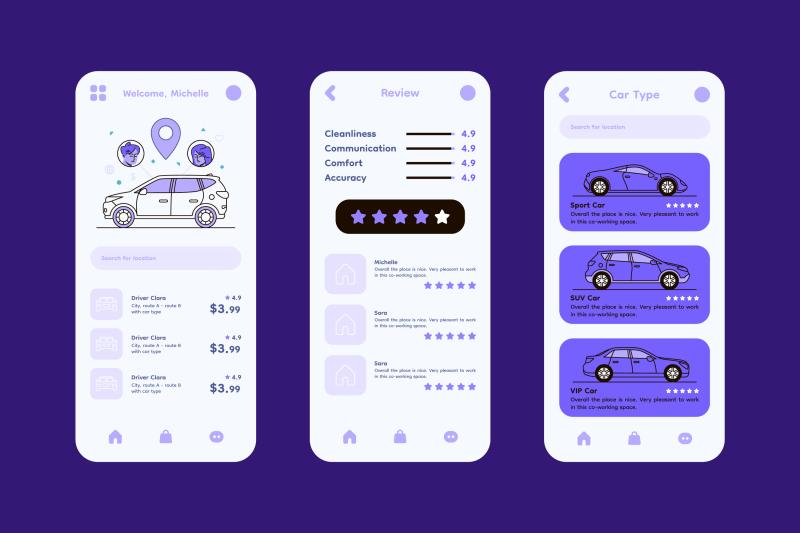
The global shift toward shared mobility and asset utilization has created massive opportunities for peer-to-peer car sharing platforms. Businesses are increasingly interested in launching platforms similar to Turo, where individual car owners can rent out their vehicles to travelers and local users through a digital marketplace. Developing a Turo-inspired platform requires more than just an app; it involves strategic planning, regulatory understanding, advanced technology architecture, and a scalable business model.
This step-by-step blueprint explains how to launch a peer-to-peer car sharing platform from concept to launch, covering technology, features, monetization, compliance, and scalability. The guide also explains how a Turo Clone can accelerate time-to-market while reducing development risks.
Understanding the Peer-to-Peer Car Sharing Business Model
Peer-to-peer car sharing platforms act as intermediaries between car owners and renters. The platform facilitates listings, bookings, payments, insurance handling, and dispute resolution while earning revenue through commissions and service fees.
Key stakeholders include vehicle owners, renters, insurance partners, payment providers, and platform administrators. The success of the model depends on trust, vehicle availability, seamless user experience, and regulatory compliance. Platforms like Turo thrive because they solve car ownership inefficiencies while offering flexible income opportunities to owners.
Market Research and Validation Before Development
Before starting development, it is essential to validate market demand and competitive positioning. This includes analyzing regional car ownership patterns, rental demand, pricing benchmarks, and local regulations. Market research should also assess customer pain points such as high rental costs, limited vehicle variety, or inconvenient pickup processes.
Identifying a niche can significantly improve success rates. Some platforms focus on luxury vehicles, electric cars, airport-based rentals, or long-term subscriptions. Clear differentiation helps position your platform against established players and justifies your value proposition.
Legal, Regulatory, and Insurance Considerations
Legal compliance is one of the most critical aspects of launching a peer-to-peer car sharing platform. Regulations vary by country and region, covering vehicle registration, commercial usage, taxation, and consumer protection.
Insurance is particularly complex. Platforms must partner with insurance providers to offer coverage for vehicle damage, theft, liability, and personal injury during rental periods. Transparent insurance policies build trust among car owners and renters and protect the platform from legal exposure.
Additionally, data protection laws such as GDPR or regional privacy regulations must be followed to ensure secure handling of user data and payment information.
Choosing the Right Development Approach
Businesses can either build a platform from scratch or leverage a ready-made solution. Developing from scratch offers full customization but requires higher budgets, longer timelines, and extensive testing.
A Turo Clone provides a faster and more cost-effective alternative. Clone solutions are built on proven architectures and include essential marketplace features, reducing development risks. A White Label Turo Clone App further enables businesses to launch under their own brand identity with customizable UI, features, and monetization rules.
Choosing the right approach depends on budget, timeline, scalability goals, and the level of customization required.
Core Features Required for a Peer-to-Peer Car Sharing Platform
A successful car sharing platform must deliver a seamless experience for all user roles. For car owners, the platform should provide easy vehicle listing, pricing controls, availability management, and earnings tracking. Renters should be able to search vehicles, compare options, book instantly, and access support.
Key user-side features include real-time vehicle search, booking management, in-app payments, identity verification, ratings and reviews, and customer support. GPS integration, digital key access, and trip tracking further enhance user convenience.
Admin features are equally important. The admin dashboard should support user management, vehicle approvals, commission settings, dispute handling, analytics, and content moderation. Strong admin control ensures platform stability and trust.
Technology Stack and Architecture Planning
Scalable architecture is essential for handling real-time bookings, payments, and user interactions. Most modern platforms use cloud-based infrastructure to ensure high availability and performance during peak demand.
The technology stack typically includes mobile apps for iOS and Android, a web-based admin panel, secure payment gateways, and third-party integrations for maps, identity verification, and insurance APIs. Backend systems must support scalability, data security, and compliance with financial and privacy regulations.
Selecting the right stack ensures long-term performance, easier maintenance, and future feature expansion.
Monetization Strategies for Long-Term Revenue Growth
Revenue generation is central to platform sustainability. The most common monetization model is a commission-based structure, where the platform earns a percentage from each completed booking.
Additional revenue streams include service fees, insurance markups, premium listings for car owners, subscription plans, and value-added services such as delivery, cleaning, or concierge support. Dynamic pricing tools can also optimize revenue by adjusting rental prices based on demand, location, and seasonality.
A flexible monetization strategy allows the platform to adapt to market conditions and user behavior over time.
Building Trust and Safety Mechanisms
Trust is the foundation of peer-to-peer marketplaces. Robust identity verification, document validation, and background checks help prevent fraud and misuse. Ratings and reviews create transparency and encourage responsible behavior from both owners and renters.
Security features such as secure payments, data encryption, and fraud detection systems protect users and the platform. Clear cancellation policies, damage reporting workflows, and dispute resolution mechanisms further enhance platform credibility.
Launch Strategy and Go-To-Market Planning
A successful launch requires more than publishing an app. Pre-launch activities should include beta testing, onboarding early adopters, and establishing partnerships with vehicle owners and service providers.
Marketing strategies may include digital advertising, referral programs, influencer collaborations, and local partnerships. Educating users about benefits, insurance coverage, and safety features is essential for driving adoption.
Post-launch, continuous monitoring of user feedback and performance metrics helps refine features and improve user experience.
Scaling and Future Enhancements
Once the platform gains traction, scaling becomes the next priority. This may involve expanding to new cities or countries, adding support for electric vehicles, or introducing subscription-based rentals.
Advanced features such as AI-driven pricing, predictive demand analysis, and fleet management tools can further differentiate the platform. Regular updates and feature enhancements ensure competitiveness in a rapidly evolving mobility market.
Conclusion
Launching a peer-to-peer car sharing platform like Turo requires strategic planning, robust technology, and a deep understanding of market dynamics. From regulatory compliance and insurance integration to feature-rich development and monetization planning, every step plays a critical role in long-term success. Leveraging a Turo Clone or a White Label Turo Clone App can significantly reduce development time and costs while providing a scalable foundation for growth. With the right execution, businesses can build a trusted, profitable, and future-ready car sharing marketplace.
Frequently Asked Questions
What is a Turo Clone and how does it work?
A Turo Clone is a ready-made peer-to-peer car sharing platform that replicates the core functionality of Turo. It allows car owners to list vehicles and renters to book them through a digital marketplace, while the platform manages payments, bookings, and administration.
How long does it take to launch a peer-to-peer car sharing platform?
The timeline depends on the development approach. Custom development may take several months, while a White Label Turo Clone App can be launched much faster due to pre-built features and infrastructure.
Is insurance mandatory for car sharing platforms?
Yes, insurance is essential to protect car owners, renters, and the platform. Most platforms integrate with insurance providers to offer coverage during rental periods.
Can the platform be customized for local regulations?
Yes, modern clone and white label solutions can be customized to comply with regional legal, tax, and insurance requirements, ensuring smooth operations in different markets.
What is the most common revenue model for car sharing platforms?
The most common model is commission-based, where the platform earns a percentage from each booking. Additional revenue can come from service fees, subscriptions, and premium features.

Comments