Synergies Between Green Hydrogen and Carbon Capture Technologies
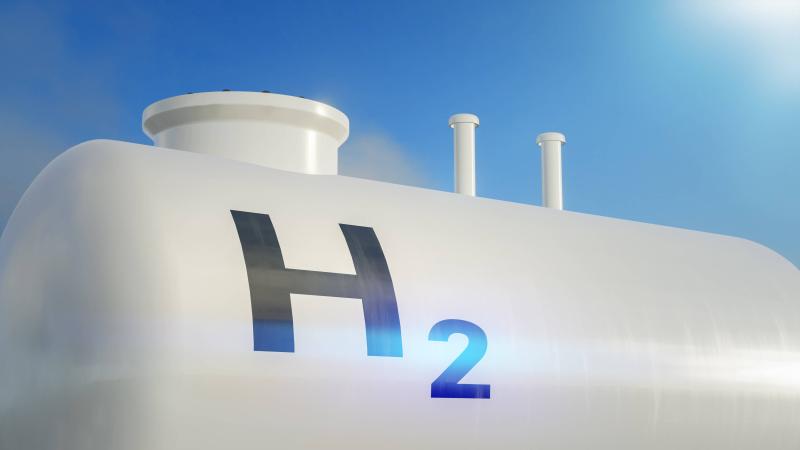
As the world moves towards a cleaner, more sustainable energy future, two of the most promising technologies—green hydrogen and carbon capture—are gaining significant attention. Both have the potential to revolutionize the energy sector, reduce greenhouse gas emissions, and pave the way for a low-carbon economy. But what happens when these technologies are combined? Let’s explore how the synergies between green hydrogen and carbon capture technologies could create a powerful solution to address global climate change.
What is Green Hydrogen?
Green hydrogen is produced by using renewable energy sources, such as solar, wind, or hydropower, to split water into hydrogen and oxygen through electrolysis. Unlike traditional hydrogen production methods, which rely on fossil fuels and emit harmful CO2 emissions, green hydrogen is completely clean. The electricity used in the process comes from renewable sources, making it an essential component of the transition to a low-carbon economy. Green hydrogen is seen as a versatile fuel, with applications ranging from energy storage to transportation, industrial processes, and even in the decarbonization of hard-to-abate sectors.
Understanding Carbon Capture Technologies
Carbon capture, utilization, and storage (CCUS) is a set of technologies designed to capture carbon dioxide (CO2) emissions from industrial processes or power plants before they reach the atmosphere. The captured CO2 is either stored underground in geological formations or repurposed for other uses, such as in the production of chemicals or fuels. CCUS technologies have been hailed as a vital solution for industries that are difficult to decarbonize, such as cement, steel, and heavy-duty transportation. By capturing and storing CO2, these technologies can significantly reduce the amount of greenhouse gases released into the atmosphere, making it possible to continue operations while lowering their carbon footprint.
How Green Hydrogen and Carbon Capture Work Together
The combination of green hydrogen and carbon capture technologies can create a truly transformative energy ecosystem. Here’s how these two technologies can work synergistically:
Decarbonizing Heavy Industries
Heavy industries like cement, steel, and chemicals are some of the most challenging sectors to decarbonize due to their reliance on high-temperature processes that traditionally use fossil fuels. Green hydrogen can be used as a cleaner alternative to fossil fuels in these industries. However, even with hydrogen’s potential, some processes still produce CO2 emissions. This is where carbon capture comes in—capturing and storing the CO2 that is still generated, ensuring that emissions from these industries are minimized.Hydrogen Production with CCUS
One of the most exciting possibilities for the synergy between green hydrogen and carbon capture technologies is the potential to use CCUS in hydrogen production itself. While green hydrogen is made from renewable sources, the process of hydrogen production through natural gas reforming (known as grey hydrogen) results in CO2 emissions. By integrating carbon capture technologies into the production process, it’s possible to create low-carbon or “blue” hydrogen, making hydrogen production significantly cleaner. This combined approach ensures that hydrogen production can scale while keeping emissions in check.Hydrogen as a Carrier of Captured Carbon
Hydrogen could also serve as a carrier for captured carbon. In some cases, CO2 that is captured and stored can be converted into synthetic fuels or chemicals, creating a circular process. By using hydrogen as a medium to convert and store CO2, industries can repurpose waste carbon into valuable products, creating a win-win situation where both green hydrogen and carbon capture technologies contribute to a cleaner and more sustainable economy.Enhancing the Efficiency of Renewable Energy Systems
Green hydrogen can act as a storage medium for excess renewable energy, such as that produced by wind or solar farms. When there is surplus energy, it can be used to produce hydrogen, which can then be stored and used when renewable generation is low. If this hydrogen production is coupled with carbon capture technologies, it ensures that even when fossil fuel-based hydrogen production is used, the CO2 emissions can be captured and stored, reducing the environmental impact.Making Hard-to-Abate Sectors Cleaner
There are sectors of the economy that are especially difficult to decarbonize, such as shipping, aviation, and high-temperature industrial processes. By combining green hydrogen and carbon capture, these sectors can be transformed. Green hydrogen can be used as a clean fuel alternative, while carbon capture technologies can mitigate any residual emissions, ensuring that even the most challenging industries are brought closer to carbon neutrality.
Why It Matters for Global Climate Goals
At the 2022 World Hydrogen Summit, global leaders and industry experts discussed how green hydrogen could play a crucial role in achieving net-zero emissions. The integration of carbon capture technologies with hydrogen production and consumption will be pivotal in meeting the international climate targets set out in the Paris Agreement. This synergy can accelerate the transition away from fossil fuels, help mitigate climate change, and ensure that all sectors of the economy can participate in the global decarbonization effort.
The Road Ahead
While the potential is clear, there are still several challenges to overcome. Scaling up both green hydrogen production and carbon capture technologies requires significant investment, infrastructure development, and policy support. However, with continued innovation, collaboration, and a clear regulatory framework, the combined power of green hydrogen and carbon capture could help create a carbon-neutral world.
FAQs
What is green hydrogen and how is it produced?
Green hydrogen is produced by using renewable energy to split water into hydrogen and oxygen through electrolysis. This process does not emit CO2, making it a clean fuel source.How does carbon capture work?
Carbon capture technologies capture CO2 emissions from industrial processes or power plants and store or repurpose them, preventing them from entering the atmosphere.Can carbon capture be used in hydrogen production?
Yes, carbon capture can be integrated into hydrogen production processes, particularly in “blue” hydrogen production, where natural gas reforming is used to create hydrogen while capturing the emitted CO2.How does green hydrogen help in decarbonizing industries?
Green hydrogen can replace fossil fuels in high-emission industries like cement and steel, while carbon capture technologies can capture any residual emissions, making these industries cleaner.What role did the World Hydrogen Summit play in promoting green hydrogen?
The World Hydrogen Summit brought global attention to the potential of green hydrogen, discussing its role in achieving global climate goals and encouraging investment in hydrogen technologies.
In conclusion, the synergy between green hydrogen and carbon capture technologies holds immense promise for creating a sustainable energy future. By leveraging the strengths of both technologies, the world can take significant steps towards achieving net-zero emissions and a cleaner, greener planet.
Post Your Ad Here
Comments