EV Charging Infrastructure in Remote Areas: Bridging the Gap
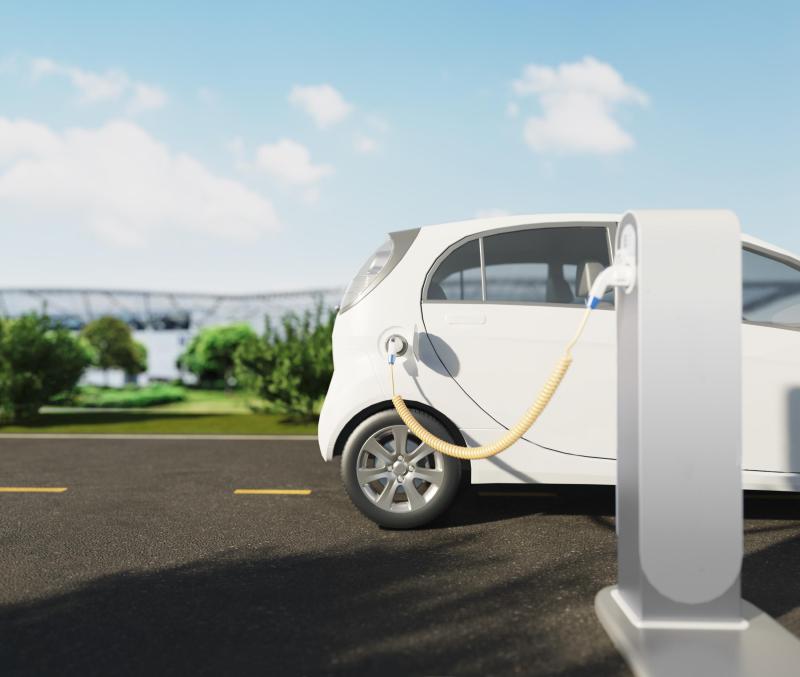
Powering the Future: Bridging the EV Charging Gap in Remote Areas
As electric vehicles (EVs) become more popular, the need for a reliable and widespread EV Charging Infrastructure grows. However, many remote areas face a significant challenge: limited access to EV charging stations. Bridging this gap is crucial for ensuring that EV adoption isn't confined to cities and well-developed regions.
In this article, we'll look at the challenges of providing EV charging installation in remote areas, the solutions being developed, and how these areas can benefit from the growing EV market.
The Problem with Remote EV Charging
Remote areas often have fewer charging stations. These locations might lack the infrastructure to support the installation of new charging points. It's not just about setting up a station but ensuring it has a reliable power supply and network connectivity. Many remote regions are not connected to the national grid or have an unreliable electricity supply, making EV charging a challenge.
In these areas, people are also less likely to own an EV due to the lack of charging infrastructure. Without chargers nearby, potential EV owners may hesitate to make the switch, knowing they would have to travel long distances to charge their vehicles.
Innovative Solutions to Overcome the Challenges
Solar-Powered EV Charging Stations
One way to solve the problem is by installing solar-powered charging stations. These systems can operate independently of the grid, providing power in areas with limited access to electricity. Solar power is renewable, cost-effective, and can be used in remote areas without the need for heavy infrastructure upgrades.Mobile Charging Units
Another solution is mobile charging units. These units are equipped with portable charging equipment that can be moved to remote areas on demand. They offer flexibility and can be deployed quickly to meet the needs of different locations, especially in disaster-prone or seasonal areas where permanent infrastructure might not be feasible.Battery Storage Solutions
In remote locations where solar power isn't available or reliable, battery storage systems can help store energy for use during periods of high demand or low supply. These systems allow for the collection of energy during the day and can be used to charge EVs at night or during cloudy days.Partnerships with Local Governments and Businesses
Collaboration is key to bridging the infrastructure gap. Local governments, businesses, and the private sector can work together to fund and build charging stations. These partnerships can provide financial incentives, government support, and local knowledge that can make charging installations in remote areas more feasible.
Real-Life Case Studies
Case Study 1: Solar-Powered Charging in the Australian Outback
In Australia, solar-powered EV charging stations have been set up in remote regions like the Outback. These stations are a part of an initiative to make EVs a viable option for people living in isolated areas. The solar charging stations rely on renewable energy to provide consistent charging options, without depending on the national grid. This initiative is helping to increase the adoption of electric vehicles in rural Australia, showing that solar-powered EV Charging Infrastructure can be both reliable and sustainable in remote locations.
Case Study 2: Mobile Charging Units in the Swiss Alps
The Swiss Alps face a unique challenge when it comes to EV Charging Installation. The region is popular for tourists who use electric vehicles, but many of the areas are remote and have no fixed infrastructure. In response, Switzerland has deployed mobile charging units across the region. These units are stationed at key points where tourists frequently visit, such as ski resorts and hiking spots. The ability to quickly set up charging stations for visitors, without the need for permanent infrastructure, has made the Swiss Alps more EV-friendly, offering a model for other tourist-heavy regions.
The Benefits of Bridging the Charging Gap in Remote Areas
Increased EV Adoption
As charging stations become more accessible, more people in remote areas will consider switching to EVs. This will contribute to a cleaner environment and reduce the dependency on fossil fuels.Economic Growth
The installation of charging infrastructure can boost local economies by creating jobs and attracting investment in renewable energy and green technology. It can also encourage tourism, as more EV drivers will feel confident traveling to remote areas.Environmental Impact
Renewable energy-powered charging stations reduce the carbon footprint of transportation, especially in areas that rely heavily on fossil fuels. This aligns with global efforts to combat climate change and promotes the use of clean energy.Future-Proofing
Installing EV Charging Infrastructure in remote areas ensures that these regions are ready for the future. As EV adoption grows globally, these areas will be prepared to meet demand and avoid becoming a barrier to progress.
FAQs
1. Why is EV charging so challenging in remote areas?
Remote areas often lack the necessary power grid infrastructure, have unreliable electricity supplies, or are far from urban centers, making charging installations difficult.
2. Can solar power really support EV charging in remote areas?
Yes. Solar power is a reliable and renewable energy source that can power EV chargers in remote areas without needing to connect to the national grid.
3. How do mobile charging units work?
Mobile charging units are portable and can be moved to different locations as needed. They provide on-demand charging for EVs, especially in areas without fixed charging stations.
4. What is the role of battery storage in remote EV charging?
Battery storage allows energy to be collected and stored during times of high energy production (like sunny days) and used when needed (like at night), making charging more reliable in remote areas.
5. How can local businesses help with EV Charging infrastructure?
Local businesses can partner with governments and private companies to fund and build charging stations. They can also promote EV adoption by providing charging options for their customers.
Conclusion
Providing EV Charging infrastructure in remote areas is not just a technical challenge but an opportunity to promote sustainability, boost local economies, and prepare for a future dominated by electric vehicles. By embracing solar power, mobile units, and partnerships, these regions can overcome the gap in charging access. As demonstrated in Australia and Switzerland, innovative solutions are already paving the way for a greener, more connected future, no matter where you live.
Post Your Ad Here
Comments