Greening Our Communities: The Importance of Sustainable Lawn Care Practices
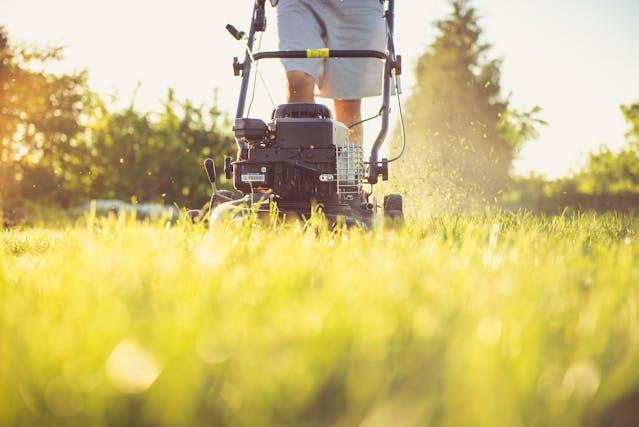
Across suburban and urban landscapes, lush green lawns have become more than aesthetic accents—they are living components of our neighborhoods that influence everything from local biodiversity to community well-being. Yet, as more households seek that picture-perfect yard, the environmental cost of traditional lawn care practices has come under increased scrutiny. Sustainable lawn care offers a path forward that balances beauty with ecological responsibility.
At first glance, a well-kept lawn might seem purely decorative, but healthy turf plays a meaningful role in the environment. Grass helps reduce soil erosion, improve air quality, and absorb rainfall, decreasing runoff that can pollute waterways. However, these benefits depend on how lawns are managed. Conventional approaches often emphasize chemical fertilizers, synthetic pesticides, and excessive watering—methods that can disrupt ecosystems and strain local water supplies.
Shifting toward sustainable lawn care means adopting practices that support environmental health while still maintaining attractive outdoor spaces. One of the foundational elements of this approach is choosing the right grass species. Native or regionally adapted grasses are typically more resilient to local pests, drought, and soil conditions, which reduces the need for intensive inputs. For homeowners in areas like southeastern Michigan, this could mean using cool-season grasses such as Kentucky bluegrass or fine fescue blends, which thrive in the local climate and resist disease without heavy chemical use.
Proper mowing techniques also make a significant difference. Cutting grass too short weakens roots and stresses the plant, making it more susceptible to weeds and disease. Leaving grass a bit taller—around three to four inches—shades the soil, helping it retain moisture and discouraging weed growth. Regularly sharpening mower blades and avoiding mowing when grass is wet further promotes turf health and reduces fuel use.
Water conservation is another cornerstone of sustainable lawn maintenance. Lawns typically require less water than many people assume—especially if irrigated at optimal times. Early morning watering minimizes evaporation, allowing more water to reach root systems. Smart irrigation systems and rain sensors can automate this process, ensuring lawns receive enough moisture without waste. In communities facing water restrictions or drought conditions, thoughtful watering is not just responsible—it’s essential.
Fertilization is where many well-intentioned lawn lovers inadvertently harm the environment. Synthetic fertilizers can leach into groundwater or run off into storm drains, contributing to algal blooms and degraded water quality in local lakes and rivers. Sustainable alternatives include organic compost or slow-release fertilizers that feed grass gradually and build soil health over time. Soil testing can further tailor nutrient applications to actual needs, preventing overfertilization.
Pest management also benefits from more ecologically sound strategies. Rather than reaching first for broad-spectrum pesticides, homeowners can encourage natural predators like birds and beneficial insects. When intervention is necessary, targeted treatments, biological controls, and integrated pest management (IPM) techniques reduce chemical impact while controlling problem pests effectively.
While individual choices matter, community-level action amplifies impact. Neighborhoods that embrace sustainable lawn practices collectively reduce water use, decrease chemical runoff, and create corridors of habitat for pollinators and other wildlife. Local service providers can support these efforts by offering eco-friendly lawn care options tailored to specific areas—such as the unique soil and climate conditions in places like Clinton Township, Michigan—ensuring that sustainability and local expertise go hand in hand. If you’re researching environmentally conscious maintenance options in that region, exploring resources like the comprehensive Clinton Township lawn care service area guide can be a good starting point to understand what’s available.
Education and outreach further reinforce the shift toward greener lawns. Workshops hosted by gardening clubs, extension offices, or community centers can teach homeowners how to test soil, choose appropriate grass varieties, and implement water-saving techniques. Schools can integrate environmental landscaping into curricula, giving students hands-on experience with composting, native plantings, and habitat creation. These activities not only foster healthier landscapes but also nurture stewardship and connection to the natural world.
Ultimately, sustainable lawn care isn’t about abandoning beautiful yards—it’s about redefining beauty through the lens of environmental responsibility. A vibrant, healthy lawn can be a source of pride and enjoyment while supporting local ecosystems and conserving precious resources. As more communities embrace these practices, the collective impact will be greener spaces, stronger ecosystems, and a more sustainable relationship with the landscape we call home.
Post Your Ad Here
Comments