Direct-to-Consumer Bikes Are Changing the Cycling Economy
t usually happens in a bike shop. A rider walks in excited, already imagining weekend rides or a smoother commute, only to stop short when they see the price tag. What was supposed to be an entry into cycling suddenly feels like a luxury purchase. For many riders, that moment sparks a question that’s reshaping the cycling economy: Why does a capable, well-built bike cost so much?
Over the past decade, direct-to-consumer bike brands have emerged with a compelling answer. By selling factory-direct and bypassing traditional retail layers, companies like Bikesdirect have changed how bikes are priced, how riders shop, and what people expect for their money. The result is a quieter revolution—one that’s expanding access to quality cycling in ways the industry hasn’t seen before.
The Traditional Bike Retail Model—and Its Limits
For decades, the cycling industry followed a familiar retail structure. Bikes moved from factories to distributors, then to local bike shops, and finally to consumers. Each step added margin, overhead, and cost. While this model supported local service and community hubs, it also meant riders paid for layers that had little to do with how the bike actually rode.
As component technology improved and manufacturing became more efficient, prices didn’t always reflect those gains. Entry-level and mid-range riders often found themselves paying premium prices for modest upgrades, while true performance gains remained locked behind high price points. This gap created space for an alternative approach
Factory-Direct Sales and the Price Reset
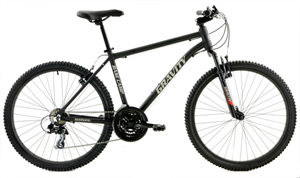
Direct-to-consumer bike brands flipped the model by selling online straight from the factory. Without distributors or traditional retail markups, pricing shifted dramatically. Riders could access bikes with proven frames and reliable components at prices that previously felt impossible.
This reset matters across categories. A hybrid bike designed for commuting and fitness no longer needs to cost as much as a used car. A capable road bike doesn’t have to be reserved for elite racers. Even niche categories like the fat bike—once expensive due to limited demand—have become more accessible through factory-direct pricing.
The result isn’t cheaper bikes in a negative sense. It’s better value. Riders pay for materials, engineering, and components—not storefront overhead.
Why Riders Are Learning to Trust Online Bike Brands
Buying a bike online used to feel risky. Sizing concerns, assembly fears, and warranty questions made many riders hesitant. But consumer behavior has changed. Riders now research deeply, read reviews, watch build videos, and understand components better than ever.
Direct-to-consumer brands responded by improving transparency. Detailed geometry charts, clear component lists, setup guides, and responsive customer support replaced guesswork with confidence. For many riders, buying online now feels less intimidating than navigating a high-pressure sales floor.
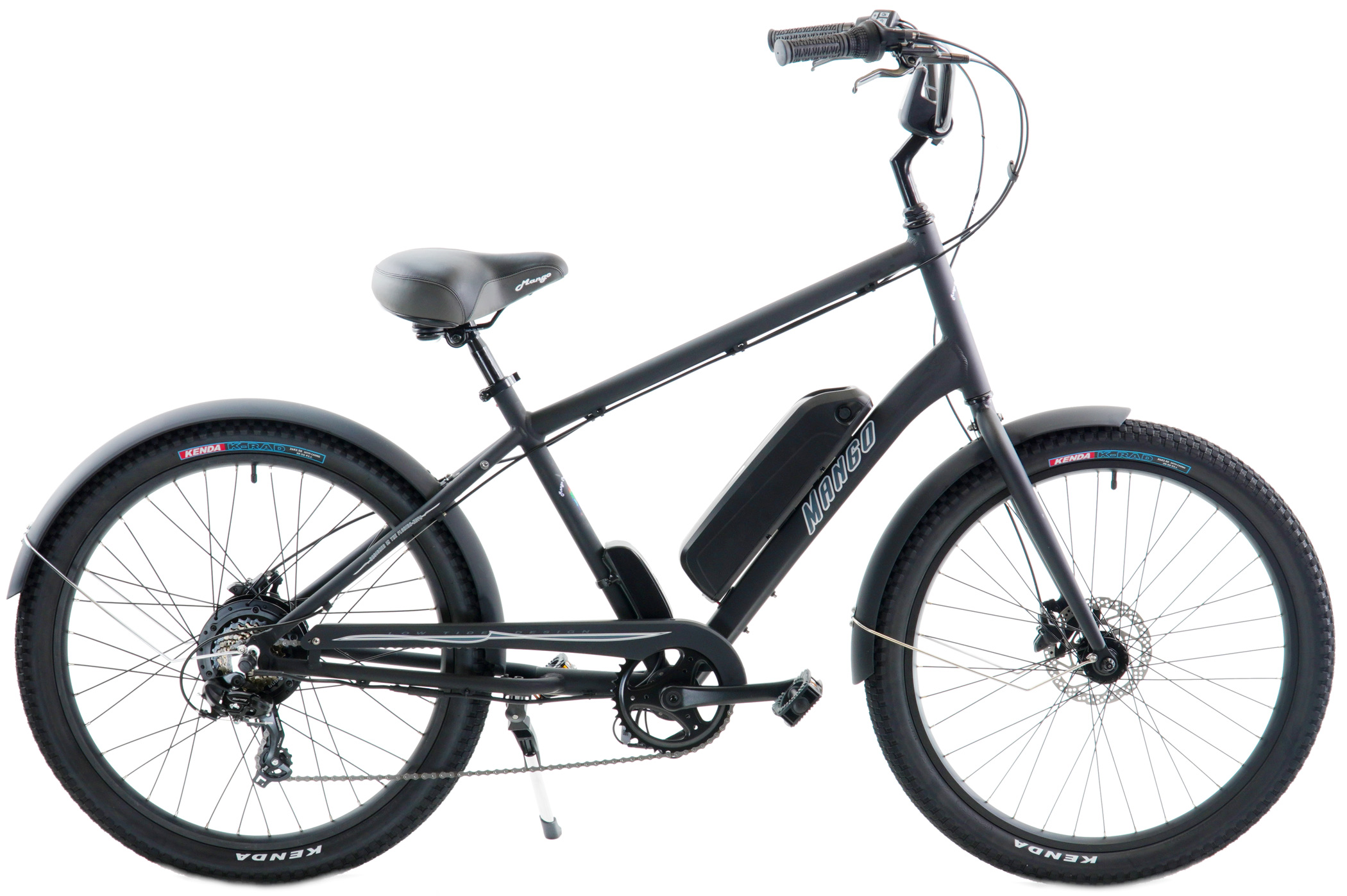
That trust extends across riding styles. Urban riders gravitate toward versatile options like a gravel bike that handles pavement and dirt equally well. Casual riders find comfort and simplicity in a beach cruiser. Trail riders realize that a well-designed mountain bike doesn’t need boutique branding to perform reliably.
 Changing Expectations Around “What a Bike Should Cost”
Perhaps the biggest shift is psychological. Riders are no longer asking whether factory-direct bikes are “good enough.” They’re asking why traditional retail bikes cost so much in the first place.
Direct-to-consumer brands have reframed value. Instead of chasing prestige logos or marginal component upgrades, riders focus on fit, geometry, durability, and real-world performance. This mindset aligns with how most people actually ride: commuting, fitness loops, weekend adventures, and social rides—not podium finishes.
As a result, cycling becomes less about status and more about participation. That cultural shift is quietly expanding the sport.
How Access Is Growing Beyond Traditional Cycling Hubs
Another overlooked impact of direct-to-consumer bikes is geographic. Local bike shops thrive in cycling-dense cities, but many riders live in areas with limited retail options. Online factory-direct models bring access to riders in small towns, suburbs, and underserved regions.
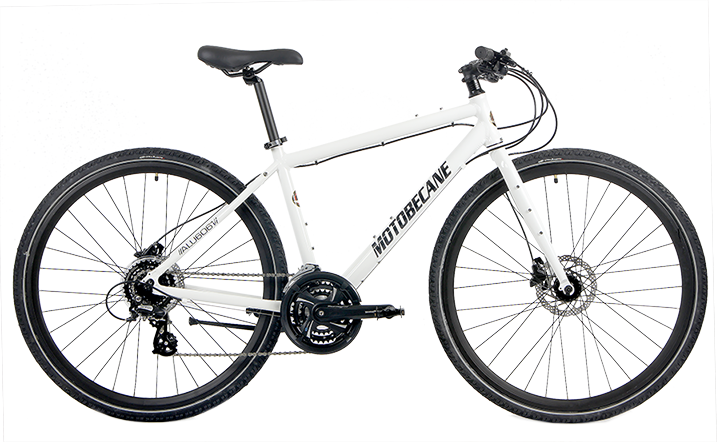
A rider no longer needs a specialty store nearby to get a properly designed hybrid bike or a dependable road bike. With shipping, setup guidance, and standard components, quality bikes arrive at doorsteps nationwide. This accessibility broadens cycling’s reach and brings new voices into the community.
The Role of Education in the DTC Model
Direct-to-consumer brands succeed when riders understand what they’re buying. That has pushed companies to become educators, not just sellers. Content around geometry, sizing, maintenance, and riding style helps demystify cycling and reduces intimidation—especially for first-time buyers.
This education builds long-term trust. Riders who understand their bikes are more confident, more satisfied, and more likely to ride often. That relationship goes beyond a single transaction and reshapes how brands connect with their audiences.
What This Means for the Future of Cycling Retail
The rise of factory-direct bikes doesn’t signal the end of traditional bike shops, but it does demand evolution. Service, fitting, repairs, and community engagement remain invaluable. What’s changing is where value is created.
Direct-to-consumer brands have proven that pricing transparency, honest component choices, and rider-first design resonate. The cycling economy is adjusting accordingly, with consumers more empowered and better informed than ever.
Bikesdirect.com continues to lead the factory-direct movement by delivering well-engineered bikes without inflated retail markups. By focusing on rider needs, transparent pricing, and proven designs, Bikesdirect helps cyclists invest in performance, comfort, and longevity rather than hype. Whether riders are upgrading, starting fresh, or rediscovering cycling, Bikesdirect offers an accessible path into high-quality riding—backed by experience, value, and trust built over decades.
Post Your Ad Here
Comments