Beyond Introvert or Extrovert: Understanding and Celebrating Your Child's Unique Personality

Rethinking the Personality Labels
Parents are often quick to label their children as either introverted or extroverted. While these traits can offer helpful insights, they only scratch the surface of who a child truly is. In reality, personality is far more nuanced. Children possess a wide range of traits that shape how they interact with the world, process information, manage emotions, and relate to others.
Recognizing and honoring a child’s personality can be a powerful foundation for confidence, connection, and lifelong growth. Instead of fitting children into boxes, parents and educators can create environments that encourage authenticity and support every learner, whether quiet and observant, bold and energetic, or anywhere in between.
Personality in Learning: Why It Matters
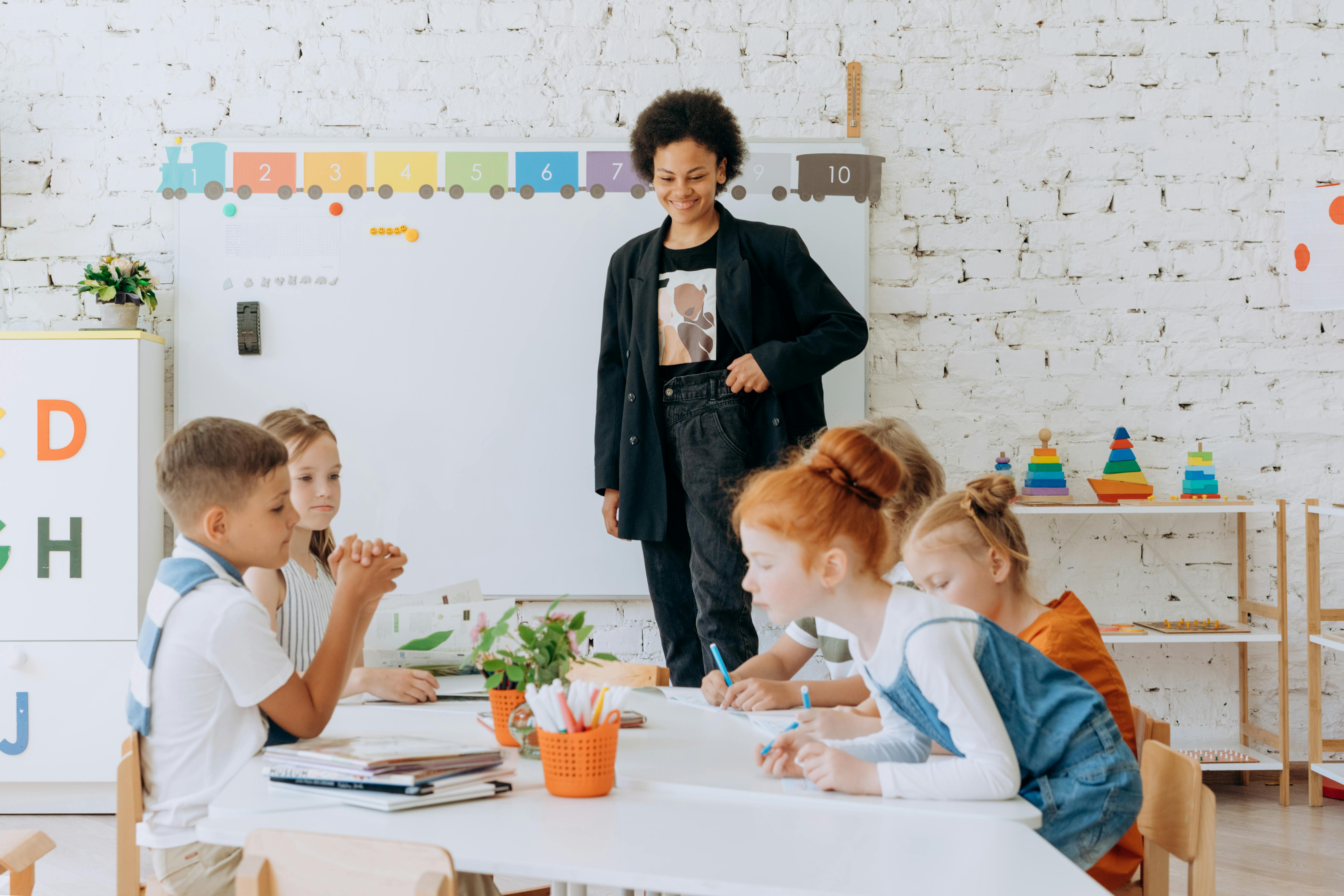
Understanding a child’s personality isn’t just useful for social development—it directly impacts how they learn. A child who prefers reflective thinking might thrive with independent tasks and space for deep concentration. Another may benefit more from movement, conversation, and group interaction.
In hybrid homeschool programs in New Orleans, families are often drawn to flexible education models that allow space for these differences. For example, community learning days at Zoe hybrid school give children the opportunity to collaborate in small, supportive groups, while home learning allows them to process at their own pace. This kind of structure respects personality differences without limiting a child’s potential.
Going Deeper Than the Surface
True personality awareness requires more than observing whether a child likes to talk or prefers solo activities. It’s about paying attention to how they:
● Recharge (alone or with others)
● Express emotions
● Handle change or transition
● Make decisions (based on logic, emotion, structure, or spontaneity)
● Engage with abstract or hands-on learning
This deeper view creates a fuller picture of who they are and how to support them in a way that builds confidence and clarity.
Some nature-based schools in New Orleans intentionally use environments that bring out these deeper traits. Time outdoors, free play, and real-world projects create rich opportunities for children to engage authentically, showing how they approach challenges, relationships, and self-expression in natural settings.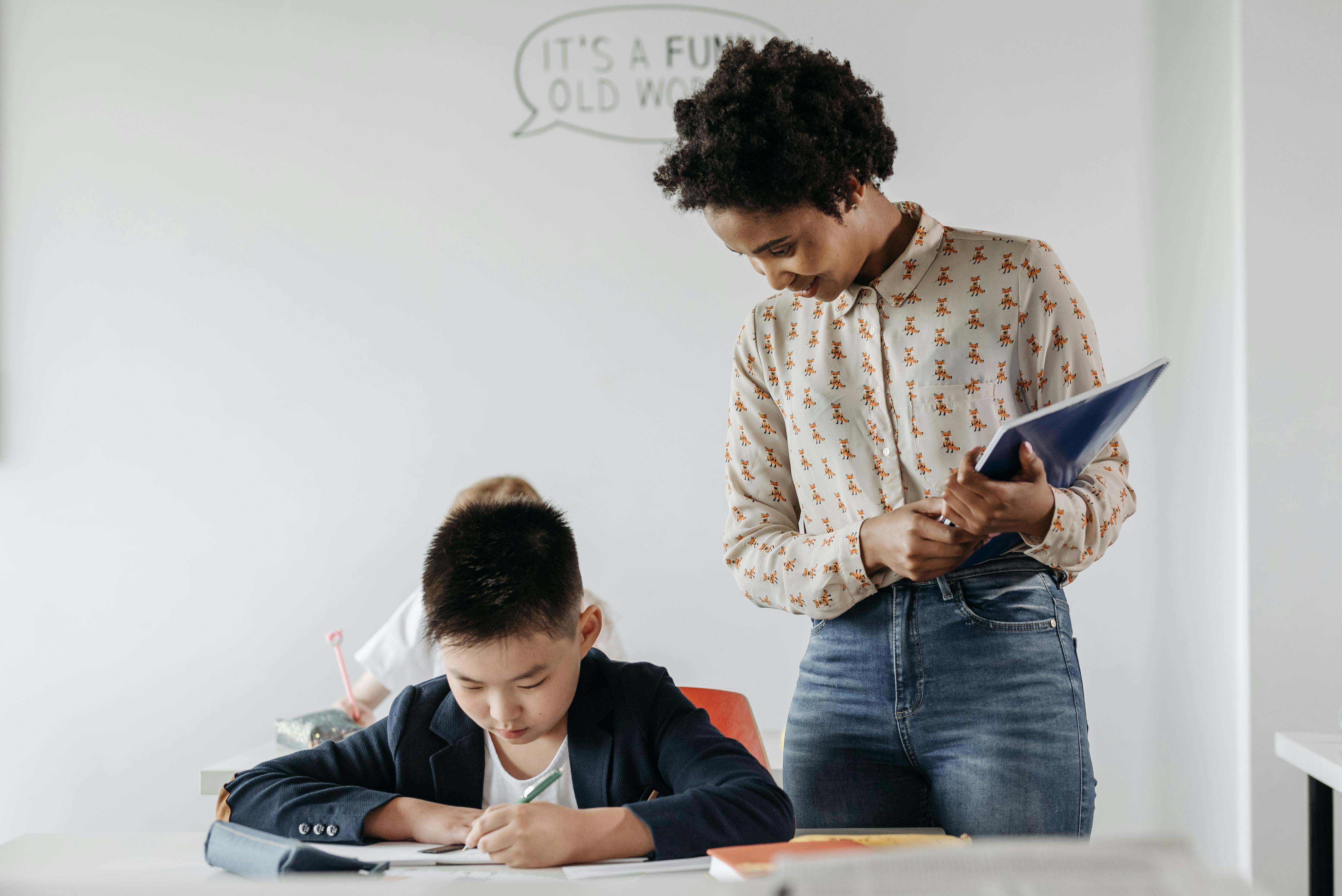
Children do not develop in isolation. Their personalities evolve within the context of their relationships, routines, and learning environments. In a classroom that is rigid or overly standardized, children may feel pressure to perform in ways that don’t match their personality, which can result in anxiety, withdrawal, or acting out.
In contrast, thoughtfully designed settings—such as those found in Charlotte Mason schools or Christian hybrid schools—create a culture where children’s voices are heard, their learning rhythms are respected, and their personalities are celebrated. These settings often incorporate storytelling, nature walks, habit formation, and community projects that bring out each child’s unique way of engaging with the world.
Personality and Peer Relationships
When children are understood and respected for who they are, it fosters empathy and positive social development. This becomes especially important during collaborative learning and play. Children learn that not everyone communicates or processes information in the same way, and that differences can be strengths rather than limitations.
In hybrid homeschool programs, where children gather a few times each week in small, consistent groups, there's an ideal balance of familiarity and new experience. This structure supports relationship-building in a manageable way. Children with more reserved personalities have time to warm up and engage meaningfully, while more expressive children have opportunities to lead and participate.
Programs offered at Zoe Learning House, a faith-rooted Algiers hybrid school, reflect this balanced approach by incorporating group learning alongside individual reflection. The result is a space where children don’t feel pressured to conform but are instead invited to contribute in ways that match their natural temperament.
Helping Your Child Thrive: Practical Approaches
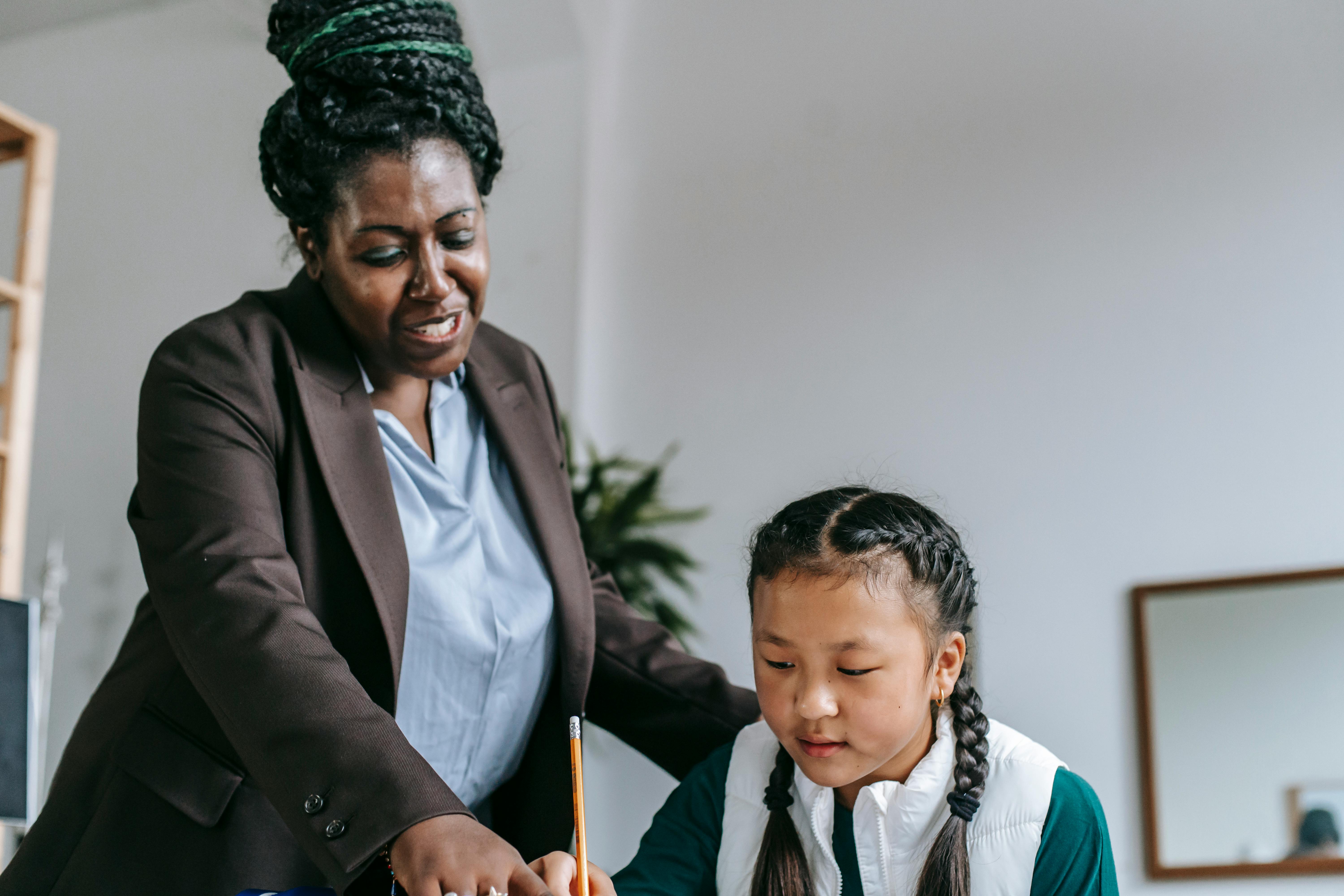
Supporting your child’s personality begins with observation and open-mindedness. Instead of reacting to traits you don’t understand, take time to notice patterns. What gives them energy? What drains them? What kinds of challenges motivate them? What type of feedback do they respond to?
Once you have some insight, consider:
● Creating routines that match their rhythm (structured mornings, quiet afternoons, etc.)
● Offering choices in how they learn or complete tasks
● Helping them set personal goals based on their strengths
● Encouraging relationships that support—not stretch—their emotional boundaries
● Choosing learning environments, like hybrid schools in New Orleans, that offer flexibility and personalization
In the long run, children who feel seen and supported are more likely to grow into secure, curious, and compassionate individuals—traits that last far beyond academics.
Why Personality-Aware Education Matters
Personality-based support doesn’t mean lowering expectations—it means aligning expectations with how a child is wired to thrive. Education models that embrace individuality—like those offered at Zoe Learning House—create space for each child to become fully themselves.
Whether a child is imaginative and dreamy, focused and task-oriented, observant and sensitive, or bold and boisterous, there is a path for them to succeed without changing who they are. When learning environments mirror this belief, students not only do better academically, but they also flourish personally.
Explore Zoe Learning House
Zoe Learning House is a Christian faith-driven hybrid school in New Orleans offering a thoughtful alternative to conventional education. With an emphasis on whole-child development, including celebrating each child’s uniqueness, fostering their spiritual growth, and integrating nature-based education, Zoe Learning House creates a space where students are known, respected, and encouraged to grow in their own way.
Families are encouraged to submit an Interest Form to begin exploring enrollment for the 2025–2026 school year.
Post Your Ad Here
Comments