How to Build Your Custom Home Without Breaking the Bank
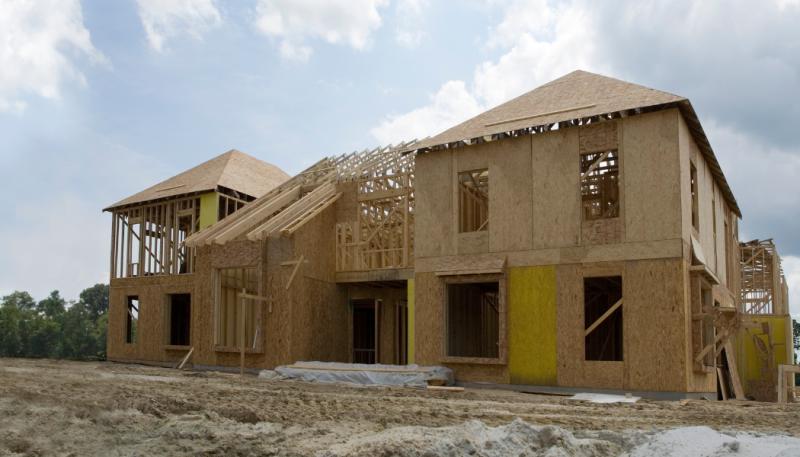
Building a home is one of the few times in life where you get to play architect, designer, and dreamer all at once. You picture the sprawling kitchen island, the floor-to-ceiling windows, and the primary bath that feels like a spa. It is an exciting process, but it often comes with a shadow of anxiety: the budget.
We have all heard the horror stories of projects spiraling out of control, timelines stretching into eternity, and final costs landing 30% higher than the initial quote. But these stories aren't inevitable. They are usually the result of vague planning, unrealistic expectations, or hiring the wrong team.
The truth is, staying on budget isn't about cutting corners or sacrificing quality; it’s about strategic decision-making. When you partner with an experienced custom home builder like Hearthside Homes, you aren't just hiring construction labor; you are hiring a financial steward for your vision. By following a few disciplined steps, you can keep your financial peace of mind while building the home you’ve always wanted.
Here is how to navigate the custom build process without the financial hangover.
1. Involve Your Builder Before You Finalize the Prints
A common mistake many homeowners make is hiring an architect to design a dream plan in isolation, only to find out later that the beautiful blueprints cost $200,000 more to build than they have in the bank. Architects design for beauty and function; builders understand the current cost of lumber, concrete, and labor.
The smartest move you can make is to bring your builder into the conversation during the design phase. A reputable builder can look at a preliminary sketch and say, "If we simplify this roofline or stack these plumbing walls, we can save you $15,000 without changing the look of the home." This value engineering is critical. It aligns your design with your budget before you pay for expensive, finalized construction documents.
2. Be Ruthless With Your Must-Haves vs. Nice-to-Haves
Budget overruns often happen because everything feels like a priority. To keep costs in check, you need a hierarchy of needs.
Sit down and separate your wish list into three columns:
Non-Negotiables: Things you cannot change later (e.g., square footage, 10-foot ceilings, a main-floor office).
High-Priority Finishes: Things you interact with daily (e.g., hardwood floors, quartz countertops).
Future Upgrades: Things that can be added later (e.g., fancy landscaping, a finished basement, high-end closet systems).
Spend your budget on the bones of the house. You can always upgrade a light fixture or install a backsplash in two years. You cannot easily raise the ceiling height or add 500 square feet to the living room once the framing is done.
3. Master the Allowance Game
In a construction contract, an allowance is a placeholder budget for items you haven't selected yet, like tile, lighting, or flooring. If your builder sets your tile allowance at $4.00 per square foot, but you fall in love with a marble that costs $12.00 per square foot, you are immediately over budget.
To avoid this, be specific upfront. Do some shopping before you sign the contract. If you know you want a specific grade of granite or a high-end appliance package, tell your builder so they can build the real cost into the bid. A lower initial bid might look attractive, but if the allowances are unrealistic, it’s just a mirage.
4. The Change Order is the Enemy
Once construction begins, the most expensive words you can utter are, "Actually, let's move that wall" or "I think I want a bigger window there."
Change orders are the number one cause of budget inflation. When you change a plan mid-build, you aren't just paying for the new material. You are paying for the demolition of the old work, the administrative time to redraw plans, the delay fees from subcontractors who have to reschedule, and often a change fee penalty.
The solution? Finalize your decisions on paper. Don't start digging until you are 100% confident in the layout. Walking through a 3D model or a similar home built by your builder can help you visualize the space so you don't feel the need to make changes when the framing goes up.
5. Plan for the Unseen Site Costs
If you are building on a raw lot, the dirt itself can hold expensive secrets. Rocky soil that requires blasting, a high water table that needs special drainage, or a long driveway that requires extra utility trenching can all eat into your budget before a single board is cut.
Always set aside a contingency fund—typically 5% to 10% of the total budget—specifically for site preparation. If you don't use it, great! You can put it toward that fancy refrigerator or high-end landscaping. But if you do hit a snag, having that cushion prevents the project from stalling.
6. Keep Your Selections Simple
Custom doesn't have to mean complicated. Complex rooflines with multiple gables are harder to frame and roof than simpler lines. A house with twenty corners costs more to build than a simple rectangular footprint, even if the square footage is the same.
You can build a stunning, high-end home with a simple footprint by focusing on high-quality materials and thoughtful architectural details like larger windows or deep overhangs. Complexity adds labor hours; simplicity adds value.
Building a custom home is a marathon, not a sprint. It requires discipline, clear communication, and a partner who respects your financial boundaries as much as your design vision.
By validating your budget early, making hard decisions before construction starts, and resisting the urge to change course mid-stream, you can hand over the keys to a home that fits your lifestyle perfectly—and your bank account, too.
Post Your Ad Here
Comments (1)
AI Automation Insigh...3
Helping businesses work smarter wit
reat breakdown of the budgeting process! One thing people often overlook when trying to save money on a custom build is the long-term operational cost. Integrating smart home systems and AI-driven energy management early in the design phase can actually lower your monthly expenses significantly. In fact, many ai automation services are now being used in the construction industry to optimize supply chains and reduce material waste, which is a game-changer for staying under budget. Thanks for shar