A No-Nonsense Guide to Planning the Ultimate Alaskan Adventure
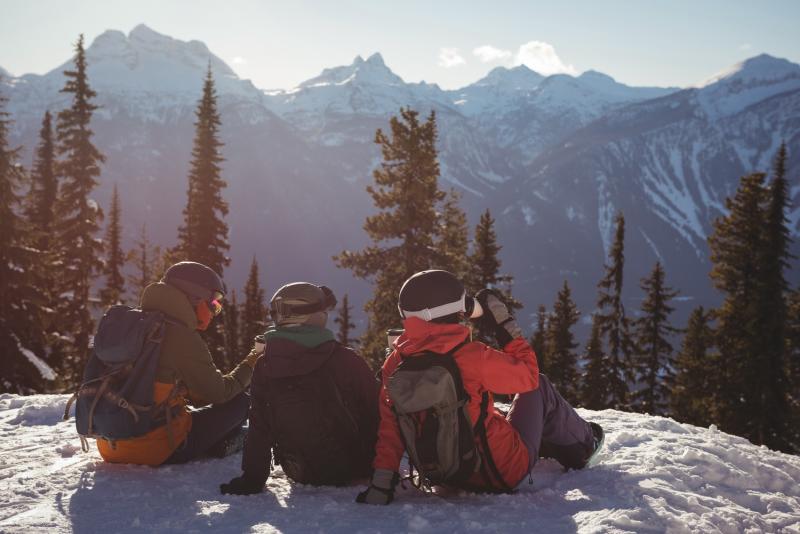
For most anglers, Alaska isn't just a destination; it’s a pilgrimage. It is the place where the fish are bigger, the rivers are faster, and the backdrop looks like a National Geographic documentary come to life. Whether you have been casting lines in local ponds since you were a kid or you just bought your first rod, the idea of battling a King Salmon in the Kenai River or a Halibut from the depths of the ocean is the ultimate bucket-list item.
However, the sheer size of the state and the complexity of the fish runs can make the logistics feel overwhelming. You can’t just show up with a tackle box and hope for the best. A successful excursion requires strategy, timing, and a bit of local knowledge. If you are finally ready to pull the trigger on that Alaska fishing trip, here is how to cut through the noise and plan an adventure that lives up to the hype.
Timing is Everything
The biggest mistake rookies make is booking their vacation dates first and checking the fishing calendar second. In Alaska, the calendar dictates everything. The salmon runs are biological events, not tourist attractions; they happen when they happen.
If you have a specific species in mind, you need to book your travel around them.
Chinook Salmon: The biggest and most prized catch. The runs usually peak in June and July. This is the heavy-hitter season.
Sockeye Salmon: The best fighting pound-for-pound and excellent eating. These runs are intense, usually hitting the rivers in vast numbers from late June through July.
Coho Salmon: These are aggressive biters and tons of fun. They typically arrive later, making August and September prime time.
Halibut: Fortunately, these bottom-dwellers are less seasonal. The season runs all summer (May through September), but tides play a bigger role here than calendar dates.
Don't assume all fish are available all summer. If you show up in late September looking for Kings, you are going to be disappointed. Decide what you want to catch, then pick your dates.
River vs. Ocean: Why Not Both?
Alaska offers two distinct fishing worlds: the freshwater river systems and the saltwater ocean bays.
River fishing—particularly on the famous Kenai or Kasilof Rivers—is a dynamic, fast-paced experience. You are often drifting in a boat, reading the current, and waiting for that electric strike as salmon move upstream. It’s intimate and technical.
Ocean fishing (out of ports like Homer or Seward) is a different beast. It involves heavier tackle, deeper water, and often, rougher seas. This is where you target Halibut, Lingcod, and Rockfish. It is more about brute strength and endurance.
For a dream trip, don't force yourself to choose. Most reputable guide services and lodges can arrange combo packages. A perfect week might look like two days chasing salmon on the river and two days out on the salt for halibut. It gives you a full taste of what the state has to offer and ensures you go home with a variety of fillets.
The Guide Factor: Don't DIY Your First Trip
There is a romantic notion of renting a car, buying a fishing license, and figuring it out on your own. Unless you are an expert angler with prior Alaska experience, this is usually a recipe for frustration.
Alaska’s fishing regulations are a thick book of rules that change by the river, by the mile marker, and sometimes by the day. Emergency orders can open or close fisheries on short notice. A professional guide doesn't just put you on the fish; they keep you legal.
Furthermore, guides have the specialized boats (like drift boats or power drifters) required to navigate the glacial rivers safely. They know where the holes are, what color lure is working today, and how to handle a 50-pound fish without losing a finger. Treat this trip as an investment; hiring a pro ensures you get a return on that investment.
Budget for the Processing and Shipping
Here is a line item many people leave off their budget spreadsheet: fish processing. If you have a good trip, you are going to end up with a lot of meat—potentially 50 to 100 pounds of it. You cannot just shove that in your carry-on bag.
Commercial fish processors are a vital part of the ecosystem. They will fillet, vacuum seal, and flash freeze your catch so it lasts for a year or more. They can then pack it in airline-approved insulated wax boxes for you to check as luggage (the cheapest option) or ship it overnight to your front door (the expensive option). Expect to spend a few hundred dollars on this service. It sounds steep, but when you compare the price per pound of wild-caught Alaskan salmon at your local grocery store, it is still a bargain.
Packing Strategy
Alaska's weather is always changing. You might wake up to 45 degrees and rain, hit 70 degrees and sunny by noon, and be back to windy and cold by dinner.
Forget the heavy winter parka; it’s too bulky. You need layers. Think of a base layer (thermal), a middle layer (fleece or hoodie), and a waterproof outer shell.
The Essentials:
Rain Gear: Do not skimp here. A high-quality rain jacket and rain pants (bibs) are non-negotiable. If you are wet, you are miserable, and you won't fish as hard.
Polarized Sunglasses: These aren't just for style. On the river, they cut the glare so you can see the fish moving and track your line. On the ocean, they protect your eyes from hook snags and UV reflection.
Waterproof Boots: Whether you are on a boat deck or a riverbank, dry feet are happy feet. Xtratuf boots are the Alaskan sneaker for a reason.
Manage Your Expectations
Finally, remember that it is called fishing, not catching. Even in Alaska, the fish have a say in the matter.
The weather can blow out a river (making it muddy and unfishable) or keep boats at the dock. Sometimes the run is late. Sometimes the fish just aren't biting. The key to a dream trip is to enjoy the process. Look around at the eagles, the moose, and the mountains. Enjoy the camaraderie on the boat.
If you measure the success of the trip solely by the weight of your cooler, you might stress yourself out. If you measure it by the adventure, the scenery, and the thrill of the chase, you will have the time of your life—and the fish will usually follow.
Planning an Alaskan fishing trip takes a bit of work, but the moment you feel that rod double over and hear the drag scream, you’ll know it was worth every minute of preparation. Tight lines!


Post Your Ad Here
Comments (1)
Sammy Smith3
Digital Marketing Executive
For most anglers, Alaska isn't just a destination; it’s a pilgrimage. It is the place where the fish are bigger