6 Popular Types of Trees Found in Residential Yards
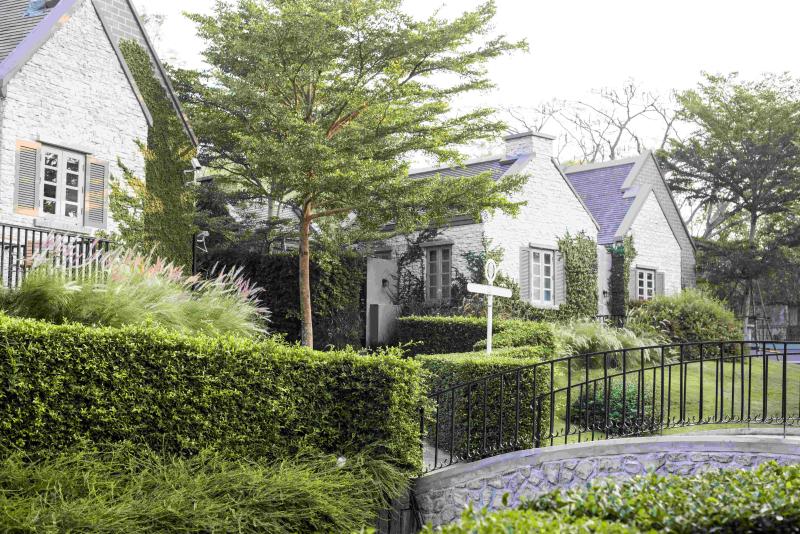
Walk down any established street in America, and you aren't just looking at architecture; you are looking at an ecosystem. The character of a neighborhood is often defined less by the style of the houses and more by the trees that shade them. They provide the tire swing locations, the fall colors, and the shade that keeps our AC bills manageable in July.
However, most homeowners inherit their trees. You buy the house, and you get the massive oak in the back and the row of pines on the side. Unless you planted them yourself, you might not even know what they are—or what risks they might pose as they age.
While trees add immense value to a property, they are not assets you should forget. They are heavy, living organisms that react to wind, drought, and pests. Recognizing what is growing on your land is the first step in managing it. Sometimes, a tree is a long-term asset; other times, it is a liability waiting for a storm, requiring you to call a professional tree removal service before it lands on your garage.
Here is a look at the most common trees found in residential yards, why they are there, and what you need to watch out for.
1. The Red Maple (Acer rubrum)
If you see a tree with brilliant, fiery red foliage in October, it is likely a Red Maple. These are the darlings of the landscaping world because they grow relatively fast and provide that instant curb appeal that developers love.
The Good: They are incredibly adaptable. Wet soil, dry soil, cold winters—the Red Maple generally handles it all. They provide excellent shade and arguably the best fall color of any native tree.
The Bad: Maples are surface-rooters. As they get older, you will notice thick roots snake across the top of your lawn, which makes mowing a nightmare and can crack nearby sidewalks or driveways.
They also have thin bark that is easily damaged by weed eaters. Once the bark is damaged, rot sets in at the base, which can weaken the tree’s stability over decades.
2. The Oak (Quercus)
The Oak is the king of the hardwood forest. In residential areas, you typically see Red Oaks or White Oaks. These are the giants—the trees that were likely there before the house was built and will likely be there long after the house is gone.
The Good: Oaks are the definition of sturdy. A healthy oak has a massive, deep root system and strong wood that resists breaking in the wind better than most other species. They support more wildlife (birds, squirrels, caterpillars) than almost any other tree, making your yard a mini-nature preserve.
The Bad: The acorns. Depending on the year (trees have "mast years" where they produce significantly more seeds), an oak can drop thousands of acorns, covering your driveway and denting car hoods.
Furthermore, because of their immense size, if an Oak does get sick or starts to die back, removal is a major, crane-assisted operation. You do not want to ignore a dying limb on an Oak.
3. The Bradford Pear (Pyrus calleryana)
Drive through a subdivision built in the 1990s or early 2000s, and you will see these everywhere. They are identifiable by their perfect, lollipop-round shape and the explosion of white flowers in early spring.
The Good: They are perfectly symmetrical and grow very fast, which is why builders planted millions of them. They look "finished" very quickly.
The Bad: The Bradford Pear is notoriously controversial among arborists. First, the spring flowers smell terrible (often described as rotting fish). Second, and more importantly, they have a major structural flaw. Their branches all grow from a single point on the trunk, creating weak "V" shapes.
When the tree gets to be about 15 or 20 years old, it almost inevitably splits in half during a windstorm. If you have one near your driveway, keep a close eye on it during windy days.
4. The Pine (Pinus)
Whether it’s the Eastern White Pine in the north or the Loblolly Pine in the south, evergreens are a staple of residential privacy. They are often planted in rows along fence lines to block the view of the neighbors.
The Good: Greenery year-round. While the rest of the yard looks dead and gray in January, the pines provide color and a windbreak. They also grow straight up, taking up very little horizontal space at the ground level.
The Bad: Pine needles are acidic and create a dense mat on the ground, making it nearly impossible to grow grass underneath them. You have to commit to a forest floor look. Additionally, pines have a shallow, plate-like root system. In soil that is totally saturated by rain, high winds can topple entire healthy pine trees because the soil simply gives way.
5. The Silver Maple (Acer saccharinum)
This is often called the "mistake" tree by homeowners who inherited one. Decades ago, people planted them because they grow incredibly fast—you can get a shade tree in just a few years.
The Good: Speed. If you have a barren yard and want shade before you retire, this is the tree.
The Bad: The trade-off for fast growth is weak wood. Silver Maples are notoriously brittle and drop large branches constantly during storms. Worse, their root systems are aggressive and notorious for invading sewer lines, crushing drain pipes, and heaving foundations. If this tree is planted within 20 feet of your house, it is likely causing a problem underground that you just haven't seen yet.
6. The Flowering Dogwood (Cornus florida)
Not every tree in the yard is a giant. The Dogwood is an "understory" tree, meaning in nature, it grows beneath the oaks and maples. In your yard, it is likely an ornamental centerpiece near a patio or front window.
The Good: They are beautiful four-season trees: flowers in spring, green leaves in summer, red berries/leaves in fall, and interesting bark texture in winter. They stay small (usually under 25 feet), so they are safe to plant closer to the house.
The Bad: They are finicky. Dogwoods are susceptible to a fungal disease called Anthracnose, which spots the leaves and kills the branches. They also do not tolerate drought well. If you don't water them in August, they will look sad and droopy very quickly.
Know Your Neighbors
Your trees are the silent roommates of your property. They require very little from you, but they do require observation.
Take a walk around your yard this weekend and look up. Identifying what species you have helps you understand what risks they might pose. Is that a sturdy Oak protecting your roof, or a brittle Silver Maple threatening your gutters? Is that Bradford Pear starting to crack at the center?
Enjoy the shade and the beauty, but remember that a healthy yard is a managed yard. When a tree outgrows its welcome or becomes a hazard, bringing in the pros is the best way to keep the rest of your sanctuary safe.
Post Your Ad Here
Comments