Modular Design Features Affecting Asphalt Plant Building Costs
The modular design features of small portable asphalt plants for sale significantly impact the overall expense breakdown when calculating how much it costs to build an asphalt plant. These features promote cost efficiency through reduced infrastructure needs, lower transportation costs, and streamlined assembly processes. Understanding how these elements interact with overall construction costs enables buyers to make informed decisions and optimize their investments in asphalt production.

Reduced Infrastructure Requirements
One of the primary advantages of modular design in small portable asphalt plants is the need for minimal infrastructure. Traditional asphalt plants often require significant site preparation, including extensive foundations and permanent structures. In contrast, modular plants are designed to be assembled quickly with far fewer site requirements. This aspect leads to lower initial construction costs, as site grading, concrete paths, and foundational support are minimized or eliminated entirely.
Additionally, the modular setup allows for greater flexibility in locating the plant. Given that these plants can be easily transported and assembled on-site, buyers can reduce the expenses associated with permitting and setting up in fixed locations. This adaptability means that companies can operate in various environments without incurring excessive costs related to infrastructure and site-specific modifications. Thus, the reduced infrastructure requirements of modular designs play a significant role in determining how much does it cost to build an asphalt plant.

Lower Transportation Costs
Transportation expenses are another crucial factor in the overall cost breakdown of building an asphalt plant. Small portable asphalt plants are designed to be easily transported, often disassembled into modules that can fit into standard shipping containers or trucks. This portability significantly lowers transportation costs compared to larger, traditional counterparts that require specialized vehicles and extended logistical arrangements.
Moreover, the ability to relocate these modular plants allows companies to pursue projects in various locales without incurring prohibitive shipping fees. Each move can be executed with efficiency, ensuring that the operational costs remain manageable. When calculating how much it costs to build an asphalt plant, buyers should consider the savings in transportation costs associated with modular designs as a significant benefit, enhancing the overall financial viability of their investment.
Streamlined Assembly Processes
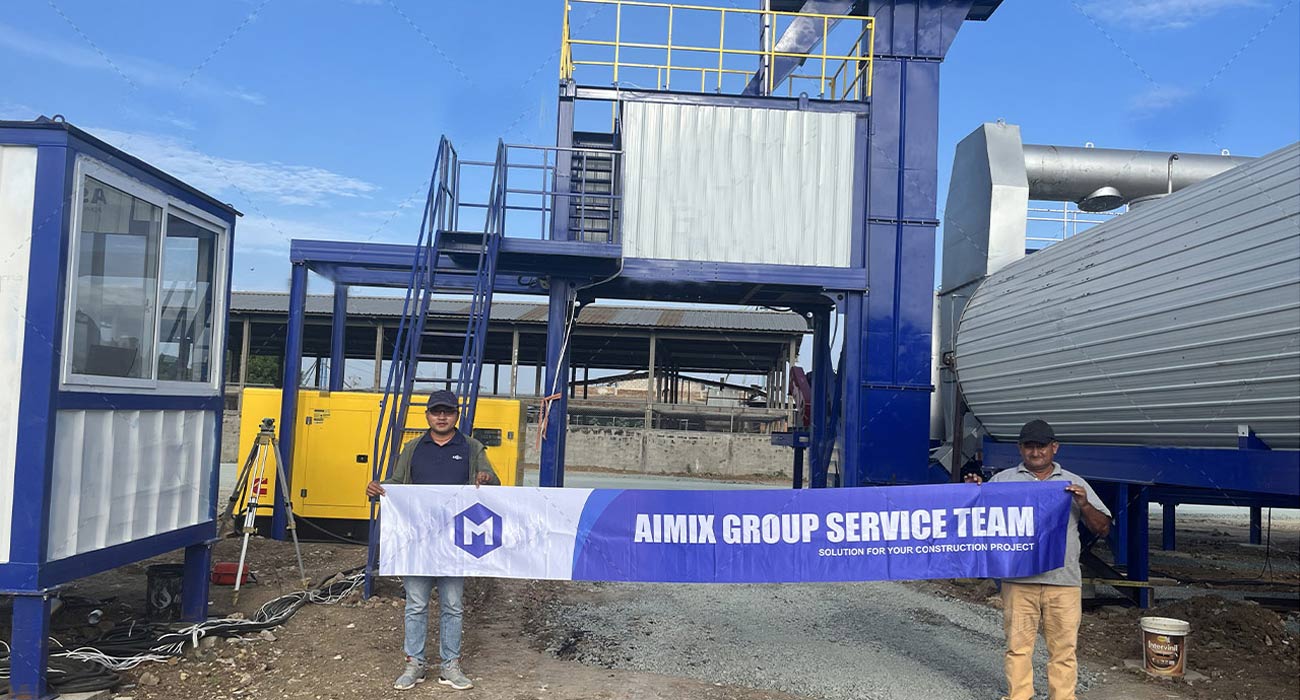
The modular design of small portable asphalt plants for sale also leads to a streamlined assembly process, which has direct implications for labor costs. Traditional asphalt plants often involve complex installations requiring specialized labor, resulting in extended timelines and increased expense. In contrast, modular plants can typically be assembled quickly by general labor forces, reducing the need for highly skilled technicians who charge premium rates.
Furthermore, many modular plants come with pre-assembled components that can be set up rapidly, minimizing disruption and downtime during the installation phase. This efficiency not only lowers labor costs but also accelerates the time to operational readiness. When buyers evaluate how much it costs to build an asphalt plant, they should account for these labor savings, which can lead to a more favorable return on investment.
Conclusion
In conclusion, the modular design features of small portable asphalt plants significantly influence the overall breakdown of expenses when calculating how much it costs to build an asphalt plant. Reduced infrastructure requirements lead to lower initial costs, while minimized transportation costs enhance financial viability. Additionally, the streamlined assembly processes translate to savings in labor expenses. By considering these modular design advantages, buyers can make informed decisions that optimize their investments in asphalt production while managing costs effectively. This understanding ensures a more strategic approach to developing asphalt plants suited for modern construction needs.

Post Your Ad Here
Comments