How residential and commercial fencing serve different functional needs
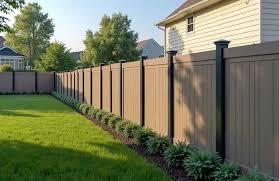
Fencing plays an important role in shaping how properties function, look, and remain secure. While the basic purpose of a fence is to define boundaries, the expectations placed on fencing can vary widely depending on the type of property. Homes and businesses rely on fencing in different ways, influenced by daily use, traffic levels, and long-term goals.
Property owners often assume that fencing solutions are interchangeable across settings. In reality, the demands placed on fencing systems differ significantly between private homes and business locations. Hawk Fences approaches each project by considering how the fence will be used over time rather than applying a one-size-fits-all approach. Residential and commercial fencing require different planning priorities to ensure safety, durability, and usability.
Understanding how fencing functions differently across property types helps owners make informed decisions. When fencing is designed around actual needs, it becomes a reliable asset that supports daily activities and long-term property management.
Understanding the purpose of fencing across property types
Fencing serves as both a physical and visual boundary. However, the reasons behind installing a fence often differ based on setting.
Residential properties typically focus on comfort, privacy, and family safety. Commercial properties prioritize security, access control, and operational efficiency. Recognizing these core purposes helps guide design and material choices.
Purpose defines performance expectations.
Differences in daily usage patterns
Residential fences experience relatively predictable use. They are designed to support family routines, pets, and occasional gatherings.
Commercial fencing often faces heavier use, including vehicle traffic, deliveries, and large numbers of people. These patterns place greater stress on materials and structure. Usage frequency directly influences durability requirements.
Use intensity shapes design decisions.
Balancing privacy and visibility
Privacy is a primary concern for homeowners. Fencing helps create personal outdoor spaces shielded from neighbors or public view.
Commercial properties often require the opposite balance. Visibility may be important for monitoring activity or maintaining open sightlines. Fencing choices reflect whether privacy or visibility is the priority.
Design aligns with functional goals.
Managing access and entry points
Homes typically have limited access points, such as gates for residents or guests. Simplicity and convenience are key.
Commercial sites often require multiple controlled entry points for employees, customers, and service vehicles. Fencing must support organized access without disrupting workflow. Entry management becomes more complex.
Access needs differ by environment.
Supporting safety in different contexts
Residential fencing often focuses on keeping children and pets safely contained. Stability and gap control are essential.
Commercial fencing prioritizes preventing unauthorized entry and protecting assets. Safety extends to controlling movement around equipment or restricted areas. Risk management drives safety considerations.
Context determines safety priorities.
Material selection based on demands
Residential fencing materials are often chosen for appearance and comfort. Wood, decorative metal, and composite options are common.
Commercial properties favor materials that withstand heavy use and environmental exposure. Strength and low maintenance are key considerations. Material choice reflects performance demands.
Durability requirements vary significantly.
Maintenance expectations over time
Homeowners often prefer fencing that requires manageable upkeep. Aesthetic maintenance plays a larger role.
Commercial fencing must remain functional with minimal disruption. Maintenance planning emphasizes longevity and reliability. Predictable performance is essential.
Maintenance strategies align with property use.
Impact on overall property appearance
Fencing contributes to curb appeal for residential properties. Visual harmony with the home is important.
Commercial fencing supports brand presentation and professionalism. Clean lines and consistent appearance reflect operational standards. Appearance reinforces purpose.
Visual priorities differ by setting.
Supporting liability management
Liability concerns exist in both settings but manifest differently. Residential liability often involves injuries to guests or pets.
Commercial liability includes employee safety and public access concerns. Proper fencing reduces exposure by defining safe zones. Risk reduction is a shared goal.
Fencing supports responsible property management.
Adapting fencing to property layout
Residential properties usually have simpler layouts. Fencing adapts to yards, gardens, and driveways.
Commercial layouts may include parking areas, loading zones, and multiple buildings. Fencing must integrate with complex site plans. Layout complexity affects design.
Adaptability improves long-term usability.
Supporting long-term property value
For homeowners, fencing adds value by improving usability and privacy. Buyers often view fencing as a lifestyle benefit.
Commercial property value depends on functionality and compliance. Well-planned fencing supports operational stability. Value is protected through performance.
Different benefits drive investment decisions.
Addressing regulatory considerations
Residential fencing often must comply with neighborhood guidelines or local ordinances.
Commercial fencing may face additional regulations related to safety, zoning, or industry standards. Planning must account for these factors. Compliance supports uninterrupted operation.
Preparation avoids future issues.
Handling wear from environmental exposure
Both residential and commercial fences face weather exposure. However, commercial fencing often experiences added stress from frequent use.
Designing for exposure ensures longer service life. Protective planning benefits all property types. Environmental resilience is essential.
Preparation supports durability.
Supporting future property changes
Homes may change slowly over time. Fencing adjustments are often infrequent.
Commercial properties evolve more rapidly due to growth or operational changes. Fencing must accommodate expansion or reconfiguration. Flexibility supports scalability.
Future planning influences design.
Enhancing usability of outdoor areas
Residential fencing encourages outdoor living by creating comfortable spaces.
Commercial fencing organizes outdoor areas for storage, parking, or operations. Usability is tied to efficiency rather than leisure. Purpose shapes outcomes.
Different uses require different solutions.
Balancing cost with long-term performance
Homeowners often balance budget with appearance and comfort. Long-term care remains important.
Commercial decisions prioritize return on investment and reduced downtime. Performance over time drives value. Financial planning reflects usage intensity.
Cost considerations differ by property type.
Supporting community and neighbor relationships
Residential fencing helps define personal space while maintaining neighborly respect.
Commercial fencing establishes professional boundaries with surrounding properties. Clear separation supports cooperation. Boundaries reduce misunderstandings.
Defined spaces promote positive interactions.
Aligning fencing with overall property goals
Fencing should support broader property objectives. These goals differ across settings.
Homes prioritize livability and comfort. Businesses prioritize security and efficiency. Residential and commercial fencing solutions must align with these distinct goals to be effective.
Alignment improves long-term satisfaction.
Building confidence in fencing decisions
Uncertainty often arises when property owners choose fencing without understanding its role.
Clear planning builds confidence in the final result. With guidance from Hawk Fences LLC, owners can choose fencing solutions suited to their specific needs. Confidence comes from informed decisions.
Clarity supports better outcomes.
Conclusion
Fencing serves different roles depending on the property it supports. Residential and commercial fencing solutions are shaped by distinct priorities, including privacy, security, durability, and daily use. When fencing is planned with these differences in mind, it becomes a functional asset rather than a simple boundary. With thoughtful design and professional insight from Hawk Fences LLC, property owners can implement fencing that aligns with their environment, supports long-term goals, and performs reliably across changing needs.
Post Your Ad Here
Comments