How stairlift installation fits into a complete home mobility solution
Mobility inside the home affects far more than simple movement from one place to another. It shapes daily routines, confidence, and the ability to live independently without constant adjustment or assistance. When mobility challenges appear, addressing them as isolated problems often leads to temporary fixes rather than lasting solutions.
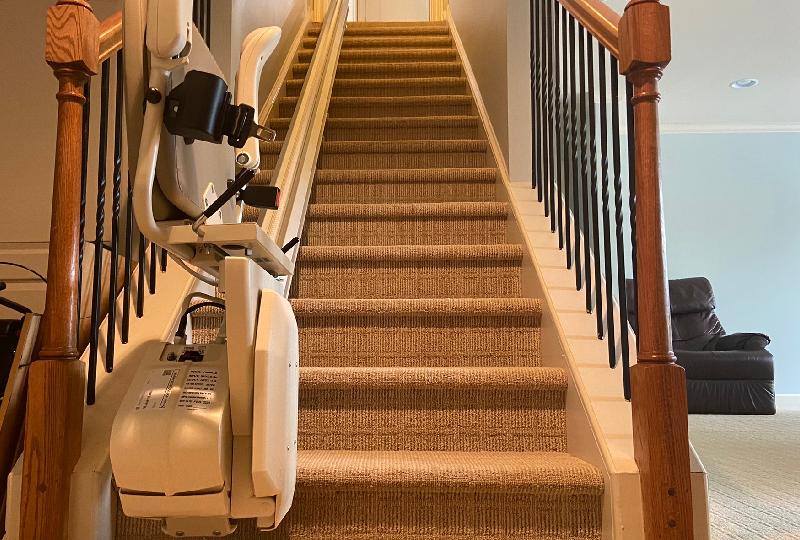
Many homeowners focus on one obstacle at a time, such as a difficult staircase, without considering how mobility works throughout the entire home. Stairlift Virginia approaches accessibility from a broader perspective that prioritizes long-term livability and balance. Stairlift Installation becomes most effective when it is part of a complete home mobility solution that supports comfort, safety, and independence together.
Understanding how mobility solutions work as a system helps homeowners make decisions that remain effective as needs evolve. When accessibility is planned holistically, homes stay functional, supportive, and adaptable for years to come.
Understanding mobility as a whole-home experience
Mobility does not begin or end at the stairs. It includes transitions between rooms, energy levels throughout the day, and confidence in movement.
When one area of the home becomes difficult to navigate, it often affects how other spaces are used. A complete approach looks at movement patterns rather than isolated challenges. Whole-home planning leads to better outcomes.
Integrated thinking supports lasting accessibility.
Connecting stair access with daily movement needs
Stairs are often the most demanding feature in a home, but they interact with many daily activities. Accessing bedrooms, bathrooms, and storage all depends on safe stair use.
Reliable stair access restores natural movement patterns. When stairs are no longer a barrier, daily activities feel less fragmented. Consistent access supports a smoother lifestyle.
Continuity improves daily comfort.
Supporting independence without constant adjustments
Temporary workarounds often require constant changes to routines. Rearranging living spaces or limiting movement creates inconvenience.
A complete mobility solution reduces the need for ongoing adjustments. Addressing stair access directly allows the rest of the home to function as intended. Independence grows when solutions are stable.
Stability supports confidence.
Balancing safety with ease of use
Safety solutions must also be easy to use. Complex or inconvenient systems are often avoided over time.
Mobility solutions that integrate seamlessly into daily routines encourage consistent use. Ease of operation supports safety by reducing hesitation or shortcuts. Balanced solutions are more effective long term.
Ease and safety work together.
Supporting energy conservation across the home
Energy levels influence how comfortably individuals move throughout the day. Excessive exertion on stairs often leads to fatigue.
Reducing physical strain allows energy to be used elsewhere. Conserved energy supports participation in daily tasks and social activities. Balanced energy use improves overall mobility.
Efficiency enhances daily function.
Enhancing confidence through predictable movement
Predictability plays a key role in mobility confidence. Uncertain movement increases anxiety and caution.
Reliable access between levels restores predictability. When movement feels consistent, confidence grows naturally. Secure movement supports emotional well-being.
Confidence depends on reliability.
Integrating mobility solutions with home layout
Every home has a unique layout that influences how mobility solutions function. Poor integration disrupts flow and comfort.
Thoughtful planning ensures that mobility features complement existing spaces. Integrated solutions preserve the home’s natural layout. Good integration improves acceptance and satisfaction.
Design alignment improves usability.
Supporting temporary and long-term needs together
Mobility needs may change due to injury, recovery, or long-term conditions. Flexible solutions adapt to both situations.
A complete mobility plan accommodates change without requiring replacement. Adaptability supports continuity in daily life. Homes that adjust easily remain functional.
Flexibility supports long-term use.
Reducing reliance on multiple assistance tools
Using several partial solutions often complicates daily routines. Switching between aids creates inconsistency.
Centralized mobility planning simplifies movement. Addressing stair access effectively reduces the need for additional assistance. Simplicity improves daily experience.
Unified solutions reduce complexity.
Improving household confidence and reassurance
Mobility challenges affect everyone in the household. Family members often worry about safety and long-term viability.
Comprehensive solutions provide reassurance. When movement is supported reliably, stress decreases for everyone involved. Confidence improves across the household.
Shared confidence strengthens support systems.
Supporting aging in place goals holistically
Aging in place requires more than addressing one obstacle. It depends on sustained usability of the entire home.
Mobility planning that includes stair access supports long-term residence. A complete approach reduces the likelihood of future relocation. Stability supports emotional comfort.
Whole-home planning supports independence.
Maintaining dignity through independent movement
Independence is closely tied to dignity. Requiring help for basic movement can feel limiting.
Being able to move freely throughout the home preserves autonomy. Dignity is supported when assistance is built into the environment rather than provided by others. Independence enhances self-respect.
Autonomy supports emotional well-being.
Preventing future mobility gaps
Addressing only current challenges may leave future gaps unaddressed. These gaps often appear unexpectedly.
Comprehensive planning anticipates future needs. Early integration prevents rushed decisions later. Prepared homes handle change more smoothly.
Forward planning improves resilience.
Supporting consistency across changing routines
Daily routines change over time due to lifestyle or health adjustments. Mobility solutions must remain effective through these changes.
Reliable stair access supports routine flexibility. Consistency allows routines to evolve without disruption. Stability supports long-term comfort.
Adaptability ensures continuity.
Enhancing overall home usability
A home is only fully usable when all areas are accessible. Limited access reduces functionality.
Addressing stair mobility restores full usability. All rooms remain part of daily life rather than restricted zones. Complete access improves satisfaction.
Usable homes feel more spacious.
Encouraging proactive accessibility planning
Waiting for mobility to decline limits options. Proactive planning allows thoughtful decisions.
A complete mobility solution addresses risks before they escalate. Early action supports smoother transitions. Planning ahead delivers better outcomes.
Preparation reduces uncertainty.
Aligning mobility with long-term living plans
Long-term plans depend on confidence that the home will continue to meet needs. Mobility uncertainty disrupts planning.
With guidance from Stairlift Virginia, homeowners can align mobility solutions with future goals. Stairlift Installation becomes part of a larger strategy rather than a single fix. Confidence grows when planning is cohesive.
Aligned planning supports peace of mind.
Conclusion
Home mobility works best when addressed as a complete system rather than a series of isolated fixes. Stairlift Installation plays a vital role in restoring access, conserving energy, and supporting independence when integrated into a broader mobility plan. With professional insight from Stairlift Virginia, homeowners can create living environments that adapt smoothly to changing needs. When accessibility is approached holistically, homes remain comfortable, functional, and supportive of long-term independence.

Post Your Ad Here
Comments