Common Mistakes That Ruin Your PPF
Common Mistakes That Ruin Your PPF (And How to Avoid Them)
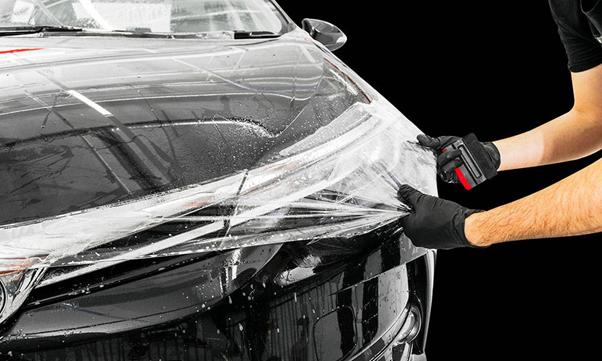
So, you’ve invested in ppf coating for your car. Great choice! It’s one of the smartest upgrades you can make to keep your car’s paint looking fresh and protected. But here’s the catch: even though PPF is designed to be tough, many car owners unknowingly ruin it by making a few simple mistakes.
Think of it this way—PPF is like a
high-tech phone screen protector. It shields your car from scratches, rock
chips, and weather damage. But just like a screen protector, it can still fail
if you don’t treat it right.
In this blog, we’ll go over the most common mistakes car owners make after
getting PPF installed—and more importantly, how to avoid them. By the end,
you’ll know exactly what not to do if
you want your car’s protective shield to last for years without turning dull,
peeling, or yellow.
Mistake 1: Washing Too
Soon After Installation
The first (and biggest) mistake?
Taking your car to the wash immediately after getting PPF installed.
When PPF is freshly applied, the
adhesive is still curing. Washing too soon means high-pressure water and soap
can disrupt the bonding process, leading to bubbles, peeling edges, or uneven
spots.
How to avoid it:
●
Wait at
least 7 days before washing your
car.
●
If your
car gets dirty during that time, gently wipe it with a microfiber cloth and
water—no soaps or chemicals.
Mistake 2: Using Harsh
Cleaning Chemicals
Some car shampoos, degreasers, or
all-purpose cleaners are way too aggressive for PPF. They can eat into the
film, dull its finish, or weaken the adhesive.
How to avoid it:
●
Always use
a pH-balanced car shampoo.
●
Check
labels for “PPF safe” before buying detailing products.
●
Avoid
alcohol-based or petroleum-based cleaners—they’ll shorten the lifespan of your
film.
Mistake 3: Going Through
Brush Car Washes
Automatic car washes with rotating
brushes are a nightmare for PPF. Those stiff brushes trap dirt and debris,
which then scrape across your car like sandpaper. The result? Scratches,
swirls, and lifted film edges.
How to avoid it:
●
Hand wash
your car whenever possible.
●
If you’re
short on time, choose a touchless car
wash that relies only on water and soap sprays.
Mistake 4: Ignoring Bird
Droppings and Tree Sap
Bird droppings, bug splatters, and
tree sap are more than just ugly—they’re acidic. If left untreated, they’ll eat
into the PPF surface and cause permanent stains.
How to avoid it:
●
Keep a
small spray bottle with water + quick detailer in your car.
●
Clean
droppings or sap immediately with a soft microfiber towel.
●
Never
scrub—dab gently to avoid stretching the film.
Mistake 5: Dry Wiping the
Surface
It’s tempting to just grab a cloth and
wipe dust off your car. But dry wiping is one of the fastest ways to scratch
PPF. Tiny dust particles act like sandpaper when dragged across the surface.
How to avoid it:
●
Always use
water or a detailing spray before wiping.
●
Use
high-quality microfiber towels, never old rags or T-shirts.
Mistake 6: Using Wax or
Polish Without Checking Ingredients
Yes, you can wax a car with PPF—but
only with the right products. Many traditional waxes and polishes contain harsh
chemicals or abrasives that can damage the film.
How to avoid it:
●
Stick to PPF-safe waxes and ceramic sealants.
●
Avoid
products with naphtha, kerosene, or abrasive compounds.
●
Apply only
a thin coat, and buff gently.
Mistake 7: Parking in
Extreme Heat for Too Long
While PPF is heat-resistant, constant
exposure to harsh sunlight can wear it out faster. Over time, UV rays can lead
to yellowing or shrinking at the edges.
How to avoid it:
●
Park in
shade or use a car cover when possible.
●
If your
car is parked outdoors daily, consider adding a ceramic topcoat to your PPF for
extra UV protection.
Mistake 8: Pressure
Washing the Wrong Way
Pressure washers can be safe, but only
if used correctly. Pointing a jet directly at the edges of your PPF is a recipe
for peeling.
How to avoid it:
●
Keep the
nozzle at least 3 feet away from the
car.
●
Use a fan
spray instead of a narrow jet.
●
Avoid
directly spraying film edges and corners.
Mistake 9: Skipping
Regular Maintenance
Some owners think PPF is a “set it and
forget it” solution. It’s not. Without basic maintenance, the film can lose its
clarity, develop water spots, and wear out faster.
How to avoid it:
●
Wash your
car every 1–2 weeks.
●
Use a
quick detailer spray between washes.
●
Inspect
edges and corners regularly for lifting.
Mistake 10: Trying DIY
Fixes for Damage
Noticed a bubble or a small tear? Many
car owners make it worse by poking, peeling, or patching the film themselves.
PPF isn’t something you can fix at home.
How to avoid it:
●
Leave
repairs to professionals.
●
If a
section is damaged, you don’t need to replace the whole car—just that panel.
Bonus Mistake: Choosing
Cheap or Unskilled Installers
The truth is, even before maintenance
begins, a poor installation can doom your PPF from the start. Cheap films and
rushed jobs usually mean early peeling, bubbling, and discoloration.
How to avoid it:
●
Always
research installers and choose a certified professional.
●
Remember:
good PPF isn’t cheap, and cheap PPF isn’t good.
How to Make Your PPF Last
Longer
A high-quality paint protection
film can last 5–10 years with proper care. Here’s a simple
maintenance cheat sheet to stretch that lifespan:
●
Hand wash
every 1–2 weeks
●
Use only
PPF-safe products
●
Apply a
ceramic sealant every 6–12 months
●
Wipe off
contaminants immediately
●
Park in
shaded or covered areas when possible
With these habits, you’ll not only
protect your PPF—you’ll also keep your car looking like it just left the
showroom.
Final Thoughts
PPF is one of the best investments you
can make for your car. But like any investment, it needs a little care to truly
pay off. Most mistakes—washing too soon, using the wrong products, or ignoring
maintenance—are easy to avoid once you know about them.
If you follow the tips in this guide,
your PPF won’t just survive—it’ll thrive. It’ll stay glossy, clear, and
protective for years, making your car stand out on the road while shielding its
paint underneath.
So, next time you grab that wash mitt
or head to a car wash, remember: your car’s armor deserves respect. Treat it
right, and it’ll reward you with protection that lasts.
Post Your Ad Here
Comments