Sustainable Design Strategies for Energy-Efficient Commercial Buildings
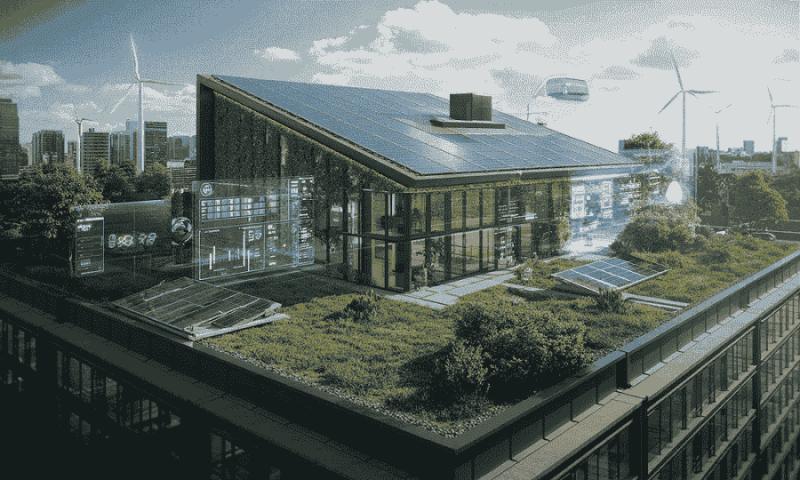
Sustainable design and energy efficiency have become essential components of modern commercial property development. With rising energy costs, stricter environmental regulations, and increasing demand for eco-conscious buildings, commercial property owners and developers are rethinking how buildings are designed, constructed, and operated. Today, sustainability is not just about environmental responsibility—it is a smart business strategy that improves long-term performance, reduces operational expenses, and enhances asset value.
This blog explores how sustainable design principles and energy-efficient strategies can transform commercial properties, including office buildings, healthcare facilities, retail centers, hospitality projects, and mixed-use developments.
Understanding Sustainable Design in Commercial Buildings
Sustainable design focuses on minimizing a building’s environmental impact while maximizing efficiency, comfort, and durability throughout its lifecycle. For commercial properties, this approach integrates architectural design, engineering systems, material selection, and building operations into a unified, performance-driven strategy.
The core goals of sustainable commercial design include:
-
Reducing energy and water consumption
-
Lowering greenhouse gas emissions
-
Enhancing indoor environmental quality
-
Using sustainable and durable materials
-
Improving building resilience and adaptability
By addressing these goals early in the design phase, commercial projects achieve better outcomes at lower lifecycle costs.
Why Energy Efficiency Matters for Commercial Properties
Commercial buildings are among the largest consumers of energy worldwide. Heating, cooling, lighting, and equipment loads contribute significantly to operational expenses. Energy-efficient design directly addresses these challenges by reducing energy demand and optimizing system performance.
Key benefits of energy-efficient commercial buildings include:
-
Lower utility and maintenance costs
-
Compliance with energy codes such as IECC and ASHRAE 90.1
-
Increased property value and market competitiveness
-
Improved occupant comfort and productivity
-
Strong alignment with ESG and sustainability goals
Energy efficiency is also a critical factor for tenants and investors who prioritize long-term cost savings and environmental performance.
Integrated Design: The Foundation of Sustainability
Successful sustainable commercial projects rely on an integrated design approach. This process brings architects, structural engineers, MEP engineers, and sustainability consultants together from the earliest planning stages.
Through collaboration, teams can optimize:
-
Building orientation and solar exposure
-
Floor layouts and space utilization
-
Mechanical system efficiency
-
Daylighting and shading strategies
Integrated design ensures sustainability is embedded into the project rather than added later as a costly upgrade.
High-Performance Building Envelope
The building envelope is one of the most influential factors in energy efficiency. A well-designed envelope reduces heat loss in winter, limits heat gain in summer, and improves overall thermal comfort.
Key envelope strategies include:
-
High-performance glazing and low-emissivity (low-E) windows
-
Continuous insulation systems
-
Airtight construction to reduce air leakage
-
Cool roofs or green roofing systems
By improving envelope performance, commercial buildings significantly reduce HVAC loads and energy consumption.
Energy-Efficient HVAC and MEP Systems
HVAC systems are typically the largest energy consumers in commercial buildings. Sustainable design focuses on selecting high-efficiency systems that align with actual building usage.
Common energy-efficient HVAC solutions include:
-
High-efficiency chillers and condensing boilers
-
Variable Refrigerant Flow (VRF) systems
-
Energy Recovery Ventilation (ERV) systems
-
Demand-controlled ventilation using CO₂ sensors
-
Advanced building automation and controls
Proper system sizing, supported by energy modeling, is critical to avoid overdesign and inefficiencies.
Smart Lighting and Daylighting Solutions
Lighting design plays a major role in reducing energy use while enhancing occupant experience. Sustainable commercial buildings integrate artificial and natural lighting strategies to achieve optimal performance.
Effective lighting approaches include:
-
LED lighting fixtures with high efficacy
-
Occupancy sensors and daylight-responsive controls
-
Automated lighting management systems
-
Strategic window placement and skylights
These measures reduce electricity consumption and create healthier, more productive indoor environments.
Renewable Energy Integration in Commercial Buildings
On-site renewable energy is increasingly common in sustainable commercial developments. Solar photovoltaic (PV) systems are particularly popular due to declining costs and available incentives.
Renewable energy strategies may include:
-
Rooftop or ground-mounted solar PV systems
-
Solar thermal systems for water heating
-
Battery energy storage for load balancing
-
Net-zero or near-net-zero energy design concepts
Integrating renewables reduces reliance on grid energy and enhances long-term resilience.
Role of BIM and Energy Modeling in Sustainable Design
Building Information Modeling (BIM) is a powerful tool for achieving sustainable and energy-efficient commercial buildings. BIM enables data-driven decision-making throughout the design and construction process.
With BIM and energy simulation tools, teams can:
-
Perform energy and thermal performance analysis
-
Optimize HVAC, lighting, and envelope systems
-
Reduce material waste through accurate modeling
-
Identify clashes and prevent costly rework
-
Support LEED, ENERGY STAR, and WELL certification documentation
BIM-driven workflows improve coordination, accuracy, and sustainability outcomes.
Sustainable Materials and Resource Efficiency
Material selection has a direct impact on environmental performance and indoor air quality. Sustainable commercial design prioritizes materials that are durable, low-emission, and responsibly sourced.
Common strategies include:
-
Low-VOC paints, adhesives, and finishes
-
Recycled and regionally sourced materials
-
FSC-certified wood products
-
Long-lasting materials that reduce maintenance and replacement
Additionally, construction waste management plans help divert materials from landfills and support circular economy goals.
Water Efficiency and Indoor Environmental Quality
Sustainability goes beyond energy efficiency to include water conservation and occupant well-being.
Key water and indoor quality measures include:
-
Low-flow plumbing fixtures
-
Rainwater harvesting and reuse systems
-
Efficient irrigation and landscaping
-
Enhanced indoor air quality through filtration and ventilation
-
Thermal and acoustic comfort optimization
These features improve occupant satisfaction and contribute to healthier commercial environments.
Certifications and Compliance for Commercial Projects
Many sustainable commercial properties pursue third-party certifications to validate performance and demonstrate compliance.
Popular certifications include:
-
LEED (Leadership in Energy and Environmental Design)
-
ENERGY STAR Certification
-
WELL Building Standard
-
Compliance with ASHRAE, IECC, and local energy codes
These certifications enhance building credibility, support marketing efforts, and attract quality tenants.
Long-Term ROI of Sustainable Commercial Design
Although sustainable design may involve higher upfront investment, the long-term return on investment is significant. Energy-efficient commercial buildings benefit from reduced operating costs, higher occupancy rates, and increased asset value.
Long-term advantages include:
-
Lower lifecycle and maintenance costs
-
Improved tenant retention
-
Higher rental premiums
-
Increased resilience to regulatory changes
Sustainable design is not an expense—it is a future-focused investment.
Conclusion
Sustainable design and energy efficiency are redefining the future of commercial properties. By combining integrated design, high-performance systems, BIM-enabled workflows, and renewable energy solutions, commercial buildings can achieve superior efficiency, resilience, and long-term value.
For property owners, developers, and facility managers, investing in sustainable commercial design is a strategic decision that supports profitability, compliance, and environmental responsibility in an increasingly competitive market.


Post Your Ad Here
Comments (1)
Panchmukhi Ambulance...6
Dead Body Transportation
How to Choose the Best Godrej Regal Pavilion Villa in Rajendra Nagar, Hyderabad
Posted by Godrej RegalPavilion in Real Estate & Property
January 9, 2026
0 likes
0 comments
article
Sustainable Design Strategies for Energy-Efficient Commercial Buildings
Posted by Tejjy Inc in ~Others