How Are Nation-State Actors Changing the Cyber Threat Landscape?
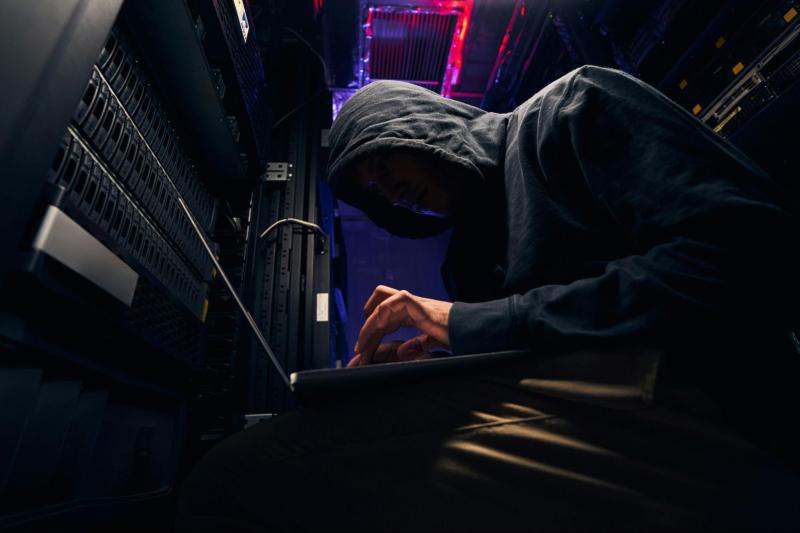
Nation-state cyber operations represent the most sophisticated and persistent threats organizations face in 2026. Government-sponsored hackers possess extensive resources, advanced capabilities, and patience that distinguish them from criminal groups. These actors conduct espionage, intellectual property theft, and disruptive attacks that serve strategic national interests rather than immediate financial gain.
Attribution of nation-state attacks proves challenging because sophisticated actors disguise their activities and use false flags to implicate other countries. Intelligence agencies and cybersecurity firms track threat groups based on technical indicators, targeting patterns, and tactics. Understanding nation-state threats helps organizations assess their risk exposure and implement appropriate defenses.
What Motivates Nation-State Cyber Operations?
Strategic intelligence gathering drives many nation-state cyber operations. Governments seek political, military, economic, and technological information that provides advantages in diplomatic negotiations, military planning, and economic competition. Long-term access to government agencies, defense contractors, and critical infrastructure enables ongoing intelligence collection.
Intellectual property theft accelerates technological development by acquiring research that took competitors years and billions to develop. Industries including aerospace, pharmaceuticals, renewable energy, and advanced manufacturing face systematic targeting. Stolen designs, formulas, and manufacturing processes appear in competing products without the original development investment. The National Security Agency publishes threat information on nation-state activities.
Disruptive attacks degrade adversary capabilities during conflicts or send political messages during peacetime. Critical infrastructure targeting could disable power grids, telecommunications, or financial systems. Influence operations spread disinformation to sow discord and undermine trust in democratic institutions. These activities blur distinctions between peacetime competition and armed conflict.
Which Nation-States Pose the Greatest Cyber Threats?
Several countries maintain advanced cyber operations capabilities that pose significant threats to organizations worldwide. Attribution remains imperfect but intelligence agencies publicly attribute major campaigns to specific countries. Understanding threat actor priorities helps organizations assess their targeting likelihood.
Chinese government-sponsored groups conduct extensive economic espionage targeting intellectual property across many industries. Long-term persistence within victim networks enables ongoing theft of communications, research, and business strategies. China maintains one of the largest and most active cyber espionage programs globally. Organizations with valuable intellectual property or connections to government should consider themselves potential targets.
Russian government hackers demonstrate willingness to conduct disruptive attacks alongside espionage. Critical infrastructure targeting has caused power outages and operational disruptions. Influence campaigns leverage social media to spread disinformation and amplify social divisions. Ransomware deployment by Russian criminal groups enjoys apparent state tolerance when victims reside in adversary countries.
How Do Advanced Persistent Threat Groups Operate?
Advanced persistent threat groups conduct multi-year campaigns that progress through reconnaissance, initial access, privilege escalation, lateral movement, and data exfiltration. Extensive preparation precedes attacks as operators research targets and develop customized tools. Patient adversaries establish access and remain dormant until they identify valuable information or receive specific tasking.
Initial access commonly exploits spear phishing, supply chain compromise, or vulnerabilities in internet-facing systems. Custom malware evades signature-based detection through unique code that has never been observed. Living off the land techniques use legitimate system tools to avoid triggering security alerts. These sophisticated approaches require significant effort but prove effective against well-defended organizations.
Persistent access ensures long-term intelligence collection even after initial compromise vectors close. Multiple backdoors provide redundant access if defenders discover and remove one. Compromised credentials enable legitimate-appearing authentication that blends with normal activity. Organizations may host nation-state actors for months or years before discovery.
What Industries Face the Highest Nation-State Targeting?
Defense industrial base organizations possess military technology, classified information, and government networks access that makes them prime intelligence targets. Defense contractors and subcontractors throughout supply chains face systematic compromise attempts. Even small suppliers may provide entry points into larger prime contractor networks. These organizations require security measures approaching government classification requirements.
Energy sector targeting enables intelligence collection about resource development and positions infrastructure for potential disruption. Power generation, transmission, and distribution systems could be disabled to cause widespread blackouts. Oil and gas operations face both espionage and disruptive threats. Renewable energy technology attracts intellectual property theft as countries compete in green technology markets.
Healthcare and pharmaceutical companies hold valuable research about medical treatments, drug formulas, and patient information. Pandemic response coordination and vaccine development attracted intense intelligence interest. Genetic research and biotechnology represent strategic technological advantages. These industries traditionally maintained lower security maturity than comparable targeting risk would suggest.
How Should Organizations Defend Against Nation-State Threats?
Nation-state adversaries possess capabilities that exceed most organizational defenses, requiring realistic assessment of protection capabilities. Organizations cannot prevent determined nation-state actors from gaining access but can increase attack costs and limit damage through defense in depth. Prioritizing crown jewel assets for enhanced protection focuses resources on most valuable information.
Network segmentation isolates critical assets behind additional security layers. Privileged access workstations limit administrative credential exposure. Enhanced monitoring on critical systems enables faster detection of compromise. Organizations should assume nation-state actors will gain some access and focus on preventing access to most sensitive assets.
Threat intelligence about nation-state tactics, techniques, and procedures informs defense priorities and detection strategies. Understanding adversary tools and methods helps security teams hunt proactively for compromise indicators. Intelligence sharing among peer organizations and with government agencies improves collective defense. Organizations should participate in relevant information sharing and analysis centers.
What Role Does International Law Play in Cyber Operations?
International law application to cyber operations remains contested and evolving. Countries disagree about whether existing laws adequately address cyber activities or whether new frameworks are needed. The lack of consensus creates legal ambiguity that some nations exploit to conduct aggressive operations below armed conflict thresholds.
Attribution challenges enable plausible deniability that complicates diplomatic responses. Countries conducting cyber operations can claim operations originated from criminals or other nations. Some nations shelter cybercriminals provided they avoid domestic targets, blurring distinctions between state and criminal activity. This gray zone between peace and war enables coercive operations that would be unacceptable kinetic attacks.
International norms development proceeds slowly through diplomatic processes. Confidence-building measures aim to reduce miscalculation risks during crises. Bilateral agreements between some countries prohibit certain cyber operations. However, enforcement mechanisms remain weak compared to other international law domains. Organizations should not rely on international law to constrain nation-state threat actors.
How Do Geopolitical Tensions Influence Cyber Threats?
Escalating geopolitical conflicts correlate with increased cyber operations intensity. Diplomatic disputes, economic sanctions, and military tensions often accompany cyber espionage and disruption campaigns. Organizations operating in countries involved in international disputes face elevated risk of collateral damage or targeting as pressure tactics.
Supply chain security becomes critical during geopolitical tensions as countries may leverage economic dependencies for intelligence or disruption. Components manufactured in adversary countries may contain backdoors or vulnerabilities. Software and services provided by companies in hostile nations represent potential security risks. Organizations should assess geopolitical exposure throughout their supply chains.
Critical infrastructure faces heightened risk during international crises as potential leverage or retaliation targets. Countries may pre-position access within adversary infrastructure for use during future conflicts. The lack of clear deterrence frameworks for cyber operations increases unpredictability. Organizations should monitor geopolitical developments and adjust security postures accordingly.
Nation-state cyber threats represent the apex of the threat landscape with capabilities that exceed most organizational defenses. Understanding these sophisticated adversaries, their motivations, and their methods enables organizations to implement appropriate risk-based protections. While preventing determined nation-state access proves extremely difficult, focusing defenses on critical assets, implementing defense in depth, and participating in information sharing improves resilience against these formidable opponents.
Post Your Ad Here
Comments