When Does a Home Need a Full Electrician Rewire?
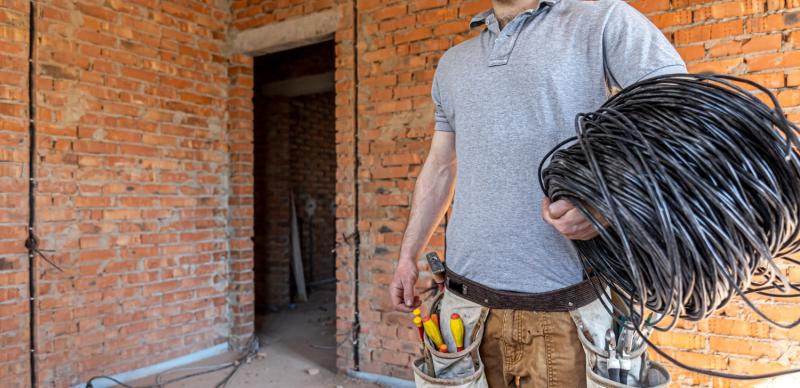
Electrical systems are the hidden backbone of every home, quietly powering daily life. Because wiring is concealed behind walls and ceilings, many homeowners don’t think about it until a problem arises. However, outdated or failing electrics can pose serious safety risks. Understanding when a home needs a full electrical rewire can help prevent hazards, improve efficiency, and ensure compliance with modern standards.

What Is a Full Electrical Rewire?
A full electrical rewire involves replacing all electrical cables, sockets, switches, and the consumer unit within a property. It brings the entire system up to current regulations and ensures it can safely support modern appliances and technology. While disruptive, it is one of the most effective ways to improve electrical safety and future-proof a home.
The Age of the Property
One of the most important factors in determining whether a rewire is necessary is the age of the building. Homes over 30 or 40 years old may still contain original wiring that was never designed to handle modern electrical demand. Older materials such as rubber, fabric, or lead insulation deteriorate over time, increasing the risk of overheating and electrical fires.
If your property has not been rewired since the 1970s—or if you are unsure when the last upgrade took place—it is wise to arrange a professional inspection. Even wiring installed in the 1980s or 1990s may now fall short of current safety standards.
Warning Signs of Electrical Problems
Certain warning signs strongly suggest that a full rewire may be required rather than small repairs. These include:
Circuit breakers tripping frequently
Flickering or dimming lights
Buzzing sounds from switches or sockets
Burning smells or visible scorch marks
Mild electric shocks from appliances
While isolated issues can sometimes be repaired, repeated problems usually indicate that the overall system is no longer reliable. In these cases, continuing to fix individual faults can be costly and unsafe in the long term.
Outdated Consumer Units and Wiring Systems
Homes with old-style fuse boxes instead of modern consumer units are often in need of significant electrical upgrades. Modern consumer units contain safety devices such as RCDs that cut power instantly if a fault is detected, dramatically reducing the risk of electric shock or fire.
Lack of proper earthing or bonding is another common issue in older homes. Without adequate earthing, electrical faults can become extremely dangerous. A qualified professional, such as an Electrician Tonbridge, can assess whether the existing system meets current regulations or whether a full rewire is the safest option.
Renovations, Extensions, and Modern Living
If you are planning major renovations, a full rewire should be seriously considered. Renovation work often involves opening walls and ceilings, which makes access to wiring easier and reduces labour costs. Rewiring during this stage can be more efficient and far less disruptive than doing it later.
Extensions, loft conversions, and home offices also increase electrical demand. Modern households rely on multiple high-powered appliances, smart devices, and advanced lighting systems. Older wiring may struggle to cope, leading to overloaded circuits and potential hazards.
Too Few Sockets and Overloaded Circuits
Many older homes were designed with far fewer sockets than today’s lifestyle requires. If extension leads and adaptors are used in nearly every room, this is a strong indication that the electrical system is outdated. Overloading sockets increases the risk of overheating and fire.
A full rewire allows for the installation of additional sockets, dedicated circuits for appliances like ovens or electric vehicle chargers, and improved lighting layouts. An experienced Electrician Westerham can design a system that supports current needs while allowing for future expansion.
Safety, Legal, and Insurance Concerns
Electrical faults are one of the leading causes of domestic fires. Old or damaged wiring significantly increases this risk, making safety a top priority. Beyond personal safety, there are also legal and insurance implications.
Home insurance providers may refuse claims if an electrical system is known to be unsafe or non-compliant. Landlords are legally required to meet electrical safety standards, and inspections often reveal the need for a full rewire to remain compliant.
How Often Should a Home Be Rewired?
There is no exact timeline, but most homes require a full rewire every 25 to 40 years. Factors such as usage, environmental conditions, and the quality of the original installation all play a role. Regular electrical inspections—typically every five to ten years—are the best way to monitor the condition of your wiring.
Conclusion
A full electrical rewire is a major project, but it is an essential investment in safety, reliability, and peace of mind. If your home is aging, showing persistent electrical issues, or undergoing renovation, it may be time to consider a complete upgrade. Professional assessment and forward planning ensure your electrical system is safe, efficient, and ready for modern living.
Also Prefer our other Article :
https://allventurehub.com/preparing-your-home-electrical-system-for-electric-vehicle-chargers/
Post Your Ad Here
Comments